
Vandaag of morgen in huis

Kwaliteit gegarandeerd

Welkomstaanbiedingen ontgrendelen: GRATIS bezorging | Tot 80% korting | Gratis 30 dagen JoyPlus-proefperiode
Download de app
A good bathroom cleaner doesn’t have to be the same for every cleaning task. Limescale on a shower screen calls for a different product from dirt under the toilet rim or mould in the grout. If you focus only on a fresh scent or a bold claim on the label, you could end up buying a product that isn’t suitable for the surface or the result you want.
A bathroom cleaner for everyday dirt isn’t automatically a powerful limescale remover. Soap residue, body oils and light water marks are usually easier to remove than built-up limescale. So check whether the product is specifically described as a limescale remover or anti-limescale spray.
Pay attention to the surface, too. According to the product information for Ajax Shower Power, this spray must not be used on materials such as marble, limestone, old cast-iron baths or damaged enamel. If you’re unsure, test it on a small, inconspicuous area first.
Terms such as “instant action”, “100% limescale-free” or “no scrubbing” don’t always tell you how to use a product. For example, a brand’s product description might say that a cleaner works in a certain way when left for the recommended time. That doesn’t guarantee the same result on every surface, with every level of dirt or in every situation.
So always check:
Toilet cleaning gel is often thicker, so it stays under the rim of the toilet bowl. That doesn’t automatically make it suitable for tiles, taps or shower glass. Toilet spray or toilet cleaner is mainly designed for the toilet bowl and for removing residue, odours and limescale from suitable surfaces.
Never mix different cleaning products. Combinations of chlorine and acidic limescale removers can produce dangerous fumes. Keep products out of the reach of children and follow the safety information on the packaging.
Choose a product to suit the job:
Bathroom tiles, ceramic, plastic, chrome, natural stone and grout don’t all react in the same way to acids, bleach or solvents. A product suitable for ceramic may not be suitable for marble or damaged surfaces.
Check whether the packaging lists your material. If the surface is new or delicate, it’s wise to test the product on a small area first. Don’t leave it on for longer than instructed, either.
A 500 ml spray is handy for spot cleaning, while 750 ml or 800 ml may be more practical for a larger bathroom. Don’t just compare the price of the bottle; consider how much you need to use each time. A foaming or gel formula may stay on a surface for longer, but it may need rinsing or wiping off.
Fragrance is a matter of personal preference and doesn’t indicate cleaning power. If you’re sensitive to strong scents, check the ingredients and ventilation instructions on the label.
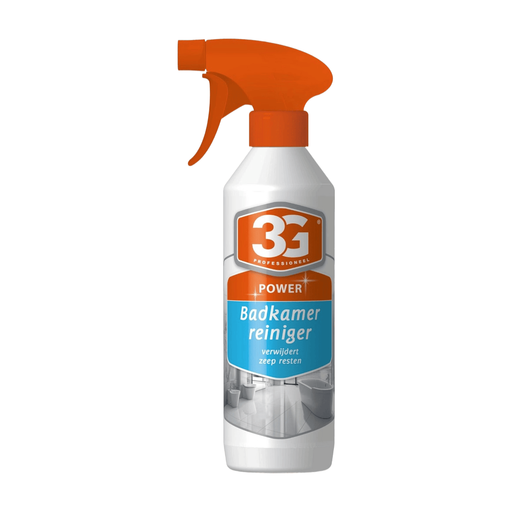
Why it suits this profile: A straightforward choice if you’re looking for one bathroom cleaner for tiles and bathroom fittings, without immediately buying several specialist products.
The product description lists specific uses, including floors, tiled walls, shower enclosures, washbasins, taps and other bathroom fittings. This makes it clearer what the spray is designed for.
500 ml spray bottle; suitable for tiles and bathroom fittings; instructions recommend spraying, leaving to work and wiping off.
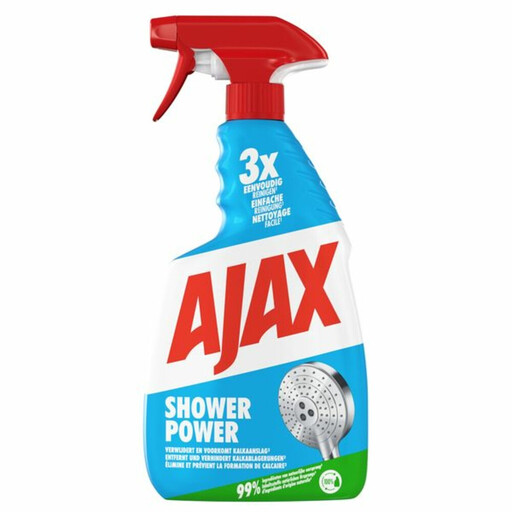
Why it suits this profile: A good fit for households where the shower, bath, washbasin, toilet and tiles regularly get limescale build-up.
The product information lists specific exclusions and a maximum contact time of 10 minutes. This helps you avoid leaving the product on for too long or using it on an unsuitable material.
750 ml; designed for several bathroom surfaces; according to the product description, a formula of 99% natural origin and recyclable packaging.
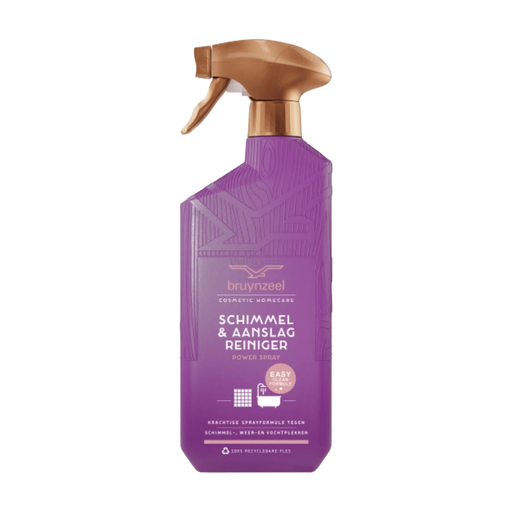
Why it suits this profile: This mould remover is designed for dark or grey mould patches in damp areas such as bathrooms, toilets, cellars and garages.
Rather than a general bathroom cleaner with a vague purpose, this product has a clear, specific use. The instructions say to ventilate the area, spray, leave to work and rinse.
500 ml power spray; designed for grout, tiled walls and ceilings; according to the product information, contains sodium hypochlorite and less than 5% chlorine-based bleaching agents.
We’ve put together a complete, up-to-date list of products that meet these strict selection criteria and the applicable European safety regulations.
Choose a product that specifically says it removes limescale, such as a limescale remover or anti-limescale spray. First check that it’s suitable for your surface. Marble, limestone and damaged enamel, for example, may not be suitable for every acidic cleaner.
It depends on ventilation, water hardness and how many people use the bathroom. A quick daily clean can help limit soap residue and water droplets. For a more thorough clean, treat the shower, washbasin, tiles and toilet separately, using a product suited to the type of dirt.
The shelf life and any period after opening are shown on the packaging. Store the bottle upright, tightly closed and out of the reach of children. Don’t use a product for longer or in a different way from that stated on the label, and rinse treated surfaces if the instructions say to.
