
Vandaag of morgen in huis

Kwaliteit gegarandeerd

Welkomstaanbiedingen ontgrendelen: GRATIS bezorging | Tot 80% korting | Gratis 30 dagen JoyPlus-proefperiode
Download de app
A bathroom cleaner might seem like a straightforward purchase, but the difference between a good choice and a disappointing one often comes down to the details. A spray suitable for tiles, for example, might not be right for natural stone. A powerful limescale remover may also require extra safety precautions.
For households in the Netherlands, these are the three main pitfalls to watch out for:
For everyday cleaning of the basin, shower screen, toilet and tiles, a general bathroom spray is often enough. For white deposits on taps, shower heads or glass screens, a limescale remover or bathroom descaler makes more sense.
Here’s how the different products compare:
According to the product description, the 3G Professional Bathroom Cleaner 500 ml is suitable for floors, tiled walls, shower enclosures, shower heads, taps, baths, basins and other bathroom fittings. This makes this type of cleaner a practical choice for regular bathroom maintenance. If in doubt, always check the label and test it on an inconspicuous area first.
A bigger bottle doesn’t automatically mean better value. Compare the volume, how much you’ll need to use and whether the product needs rinsing off. Some sprays are designed to work quickly; others shouldn’t be left on the surface for too long.
For example, the Ajax Shower Power product description says that stubborn limescale can be left for five minutes, but no longer than ten minutes. It also states that the product isn’t suitable for marble, limestone, old cast-iron baths or damaged enamel, among other surfaces. These restrictions matter more than a bold claim on the front of the bottle.
Bathroom cleaners can be irritating or harmful. Before buying or using one, check:
Never mix different cleaning products. Antikal, for example, explicitly states that the product must not be mixed with bleach or other cleaning products. Use sprays in a well-ventilated room and avoid breathing in the mist. Keep all cleaning products out of the reach of children.
The recommendations below are based on verifiable details in the product descriptions provided, such as volume, intended use, accessories and safety information.
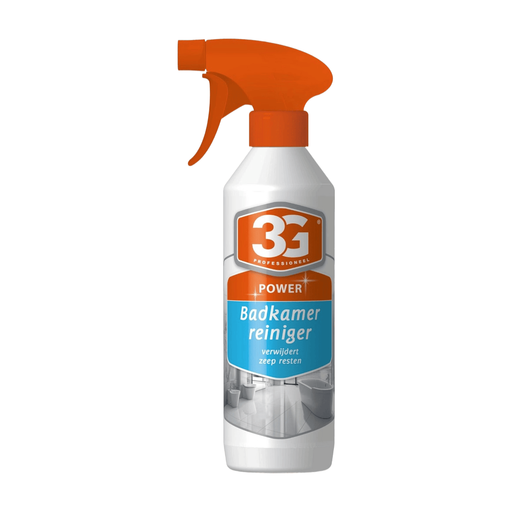
Why it suits this type of user: A straightforward choice if you’re looking for one bathroom cleaner for several surfaces, including tiles, shower enclosures, basins and bathroom fittings.
Its intended uses are clearly listed, so you don’t have to rely on a vague term such as all-purpose cleaner.
500 ml; suitable for various tiled surfaces and bathroom fittings; comes with a child-resistant closure according to the product information.
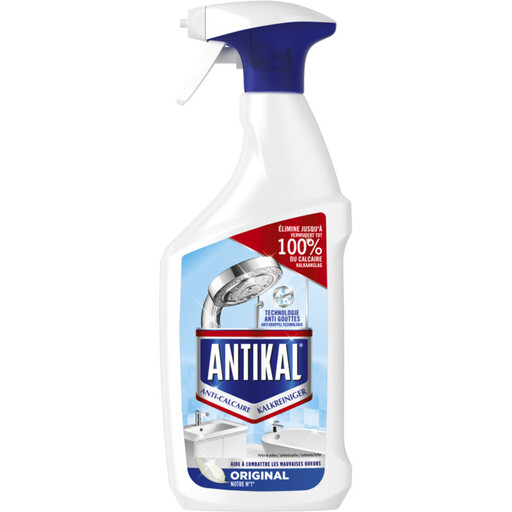
Why it suits this type of user: A good fit if you want to tackle limescale, soap scum and water marks specifically, and check the safety information before use.
The product information explains both how it works and the skin and eye warnings. This helps you use it more carefully instead of relying solely on an advertising claim.
800 ml; designed to tackle limescale, soap scum and water marks; contains anionic and non-ionic surfactants according to the ingredients list.

Why it suits this type of user: Handy if you regularly clean grout, shower trays, tiles and awkward edges, and would rather use a rotating brush than just a cloth.
The specifications list three speeds, seven brush heads and an LCD screen, so you can adjust the tool to suit different surfaces.
Three speeds; up to 320 minutes of use according to the product description; seven brush heads; IPX6 rating. Do not immerse the main unit in water.
We’ve put together a complete, up-to-date list of products that meet these strict selection criteria and the applicable European safety requirements.
Don’t use a limescale remover on marble, limestone, damaged enamel or other delicate materials without checking first. If you’re unsure, test it on a small, inconspicuous area.
For a household with daily use, a quick clean several times a week is practical. Areas with limescale and hard water may need more frequent attention. A daily spray for shower screens isn’t the same as a periodic descaler for stubborn deposits.
No. Check the label and the type of tile. Ceramic tiles are often finished differently from natural stone. Don’t use a limescale remover on surfaces the manufacturer advises against, and test it on a small area first if you’re unsure.
Check the packaging for the relevant shelf-life, use-by or after-opening information. Store the bottle upright if instructed, close the spray nozzle after use and keep the product out of the reach of children. The cleaner’s effectiveness and safety may be reduced if it’s stored incorrectly.
