
Vandaag of morgen in huis

Kwaliteit gegarandeerd

Welkomstaanbiedingen ontgrendelen: GRATIS bezorging | Tot 80% korting | Gratis 30 dagen JoyPlus-proefperiode
Download de app
A sparkling bathroom is a pleasure, but the path to achieving one can be full of pitfalls. Store shelves are lined with products that make lofty promises but don't always deliver. Before you invest in an arsenal of cleaning supplies, it's wise to know what to look for. Many consumers fall into the same traps: buying an "all-in-one" cleaner that excels at nothing, or using an overly harsh formula that irreparably damages their taps or tiles.
Another common mistake is choosing a product based solely on its scent. A strong fragrance might temporarily mask unpleasant odours, but if the source of the problem—like limescale or bacteria—isn't addressed, the freshness will be short-lived. This guide will help you see past the marketing and select a product that actually solves the problem, whether it's removing limescale or keeping your toilet hygienic.
To make the right choice, it's helpful to understand which type of product you need for which problem. Not every bathroom cleaner is the same. Pay attention to the following specifications to ensure you choose the right tool for the job.
The composition of a cleaner determines its effectiveness for a specific task. Without the right active agent, you'll mostly be scrubbing hard with little to no result.
Not every cleaning agent is safe for every surface. A powerful descaler might work wonders on ceramic tiles but can permanently damage the enamel of an old bathtub or a natural stone sink. Always check the product label for specific warnings. When in doubt, test the product on a small, inconspicuous area first. This is especially important for materials like marble, limestone, aluminium, and certain plastics.
Consider your goal. Are you trying to solve an existing, stubborn problem, or do you want to keep the bathroom clean?
Not everyone has the same needs. Below is a selection of products tailored to specific situations and users.
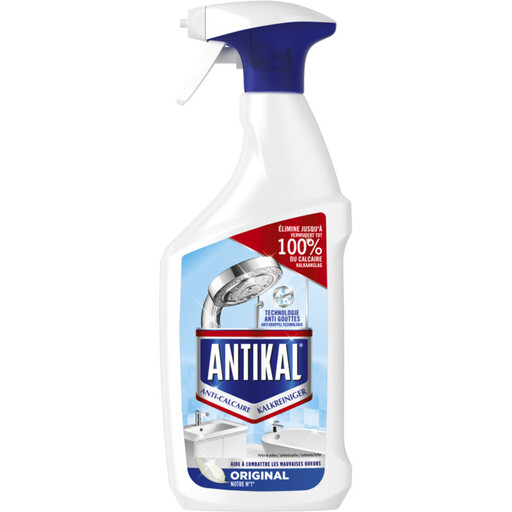
Why This Fits Their Persona: Ideal for those seeking an effective solution for the most common problem in bathrooms: limescale. The spray is easy to use for the weekly cleaning of showers, taps, and tiles, without you having to worry about damaging standard fixtures.
This is a specialised bathroom descaler, not a vague 'all-in-one' cleaner. It targets one problem—limescale—with precision, which is more effective than an agent that does a little bit of everything.
According to the manufacturer, the formula creates a barrier that helps prevent the return of water spots and limescale build-up. This reduces cleaning frequency.
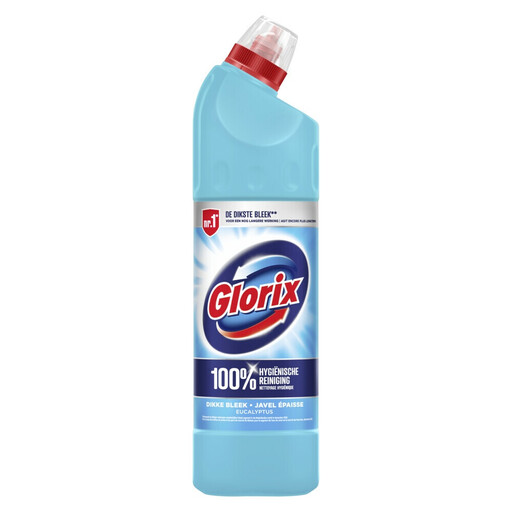
Why This Fits Their Persona: For those who prioritise a thorough, hygienic cleaning of the toilet and other sanitary ware. This product is focused on removing stains and tackling invisible dirt, providing a truly clean feeling.
This product doesn't just mask odours with a fragrance; it tackles the source thanks to its chlorine formula. It's a powerful toilet cleaner that focuses on hygiene rather than just scent.
According to Glorix, the thick bleach clings to the surface longer, even under the toilet rim and below the waterline. This allows for a longer contact time and a more thorough result.
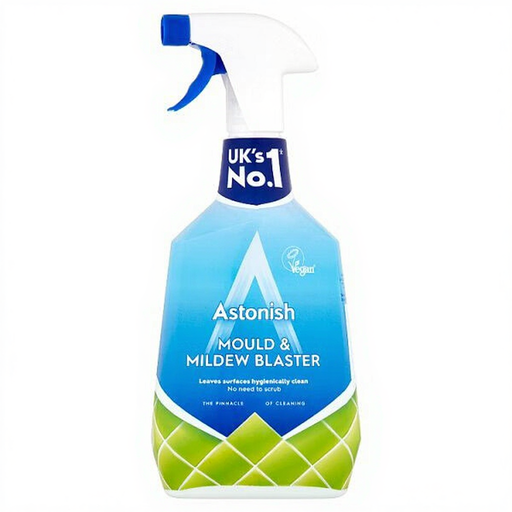
Why This Fits Their Persona: Perfect for anyone who wants to quickly and effectively tackle mould on grout, sealant, and in the shower enclosure. This is a classic 'problem-solver' product for a common and stubborn annoyance in damp spaces.
Instead of a general bathroom cleaner that can't handle mould, this is a specialised bathroom mould remover. It's designed for one task and, according to the manufacturer, does it without any scrubbing required.
The chlorine-based formula acts quickly on mould stains. The spray bottle makes it easy to apply to vertical surfaces like tiled walls and shower doors.
We have compiled a complete, up-to-date list of products that meet these selection criteria and comply with current safety regulations.
For good hygiene, it's recommended to clean the toilet and sink weekly. A thorough deep clean of the entire bathroom, including cleaning the shower and tackling any early limescale build-up, is ideally needed every two weeks. This prevents dirt and limescale from becoming stubbornly embedded.
No, this is strongly discouraged. Mixing different cleaning products can be dangerous. In particular, combining a chlorine-based product (bleach) with an acidic cleaner (like a descaler) can produce toxic chlorine gas. Always use products separately and follow the safety instructions on the packaging.
For stubborn limescale, a specific bathroom descaler is the most effective solution. Apply the product generously to the surface, let it sit for several minutes as indicated on the packaging (but don't let it dry out), and then wipe it off or rinse with water. For very thick layers, you may need to repeat the treatment. Regular use of a descaler will prevent the build-up from becoming so stubborn again.
