
Livraison le jour même et le lendemain

Qualité garantie

Débloquez vos offres de bienvenue: Livraison GRATUITE | Jusqu'à -80 % | 30 jours d'essai gratuits à JoyPlus
Téléchargez l'application
Basmati rice is popular in curries, biryani, pulao and everyday meals. But eye-catching packaging or the words “extra long” don’t tell you everything about whether a product is right for you. If you choose based only on the brand or price per kilo, you could end up with rice that sticks too much, is difficult to store or isn’t suited to the amount you cook at home.
Use this guide to compare basmati rice by its verifiable features: rice type, processing, packaging and intended use.
The term extra-long basmati rice mainly refers to the shape and length of the grains. It doesn’t automatically mean that every grain will stay separate after cooking or that the rice is suitable for every recipe. Cooking method, soaking, the amount of water and the age of the rice also affect the result.
Long, separate grains are often a practical choice for biryani or pilaf. A standard variety may be enough for a quick meal.
Basmati rice in 5 kg, 10 kg and 20 kg bags can be a good option for large households, caterers and restaurants. A large pack is less convenient if you only eat rice occasionally. Once opened, the rice also needs to be sealed properly and stored in a dry place.
Check:
Terms such as aromatic rice or “premium” give you an idea of the product, but don’t always tell you how it has been processed. So check the ingredients list. Ordinary basmati rice usually lists rice as its main ingredient. Pre-cooked rice may also contain added oil, salt or emulsifiers.
Health claims also deserve a cautious approach. Claims about glycaemic index, digestibility or nutritional benefits, for example, shouldn’t be taken as established fact without checking. Refer to the label and nutrition table for up-to-date information.
You’ll need to wash and cook ordinary white basmati rice yourself. This gives you more control over the texture, but takes time. Pre-cooked rice, such as rice sold in individual portions, is mainly designed to be convenient and quick to prepare. Its ingredients may differ from those of dried rice.
Golden Sella basmati rice is parboiled rice. According to the product description, the rice is partially cooked before further processing. This can help the grains stay firmer during cooking and stirring. That makes this type practical for large pans of biryani or buffets, but the result is different from ordinary white basmati rice.
Look for terms such as long grain, extra long grain, separate grains and non-sticky texture. These descriptions are particularly relevant for basmati rice used in biryani, pulao and pilaf. They don’t guarantee a specific cooking result, so always follow the instructions on the packaging.
A simple method:
Choose a size based on how much rice you use:
Also check whether the nutrition information is given per 100 grams of uncooked or cooked product. The figures aren’t directly comparable if they’re based on different measurements.
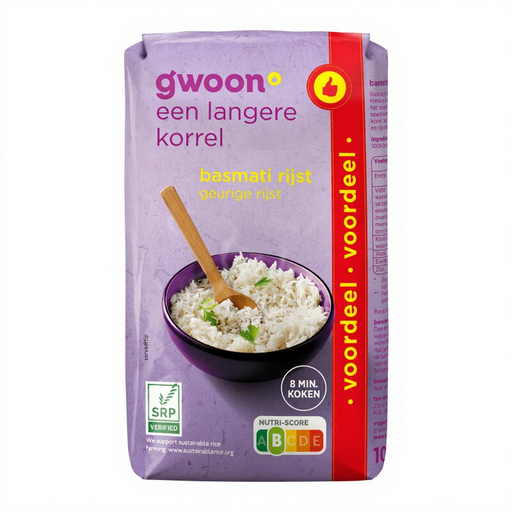
Why it suits this profile: A 1 kg pack helps reduce waste and makes it easy to try basmati rice before buying a larger quantity.
You won’t be stuck with a large bag straight away if you’re not yet sure how much rice you use.
1 kg pack; according to the product information, it contains 100% basmati rice and none of the 14 main EU allergens as ingredients.
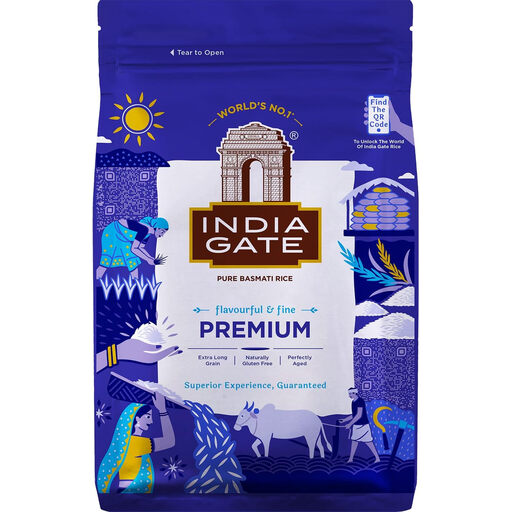
Why it suits this profile: The 5 kg pack is a good fit for people who cook regularly at home and want separate, long grains for biryani, pilaf and curry dishes.
The product information describes the grains as extra long and says they have a separate, non-sticky texture when cooked; check the instructions on the bag.
Extra-long grains; according to the product description, suitable for dishes including dum biryani, pilaf and kabsa.
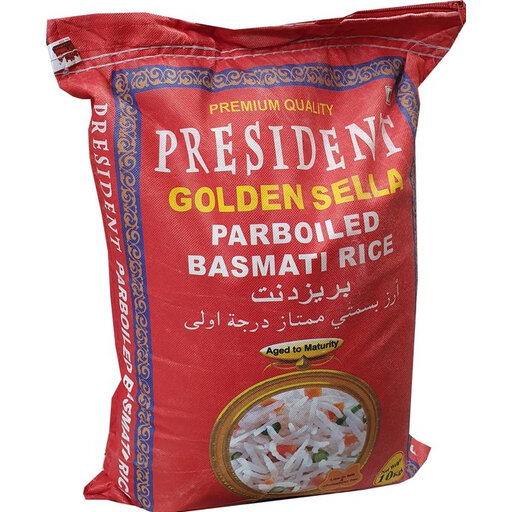
Why it suits this profile: The large pack and parboiled processing are a good fit for caterers, restaurants and households that regularly prepare large quantities of biryani or rice dishes.
The product description clearly identifies it as parboiled Golden Sella rice, so you won’t mistake it for ordinary white basmati rice.
20 kg pack; parboiled basmati rice; according to the product information, designed for biryani, curries and dishes where the grains need to stay firm.
We’ve put together a complete, up-to-date list of products that meet these strict selection criteria and the applicable European safety requirements.
A variety with long or extra-long grains is usually a good choice. Golden Sella basmati rice can be useful when the grains need to stay firm during cooking and mixing. Always check the cooking instructions and adjust the amount of water to suit the recipe.
Store the rice in a cool, dry place away from direct sunlight. Seal the packaging securely after use or transfer the rice to a clean, airtight storage container. Don’t use the product if the packaging is damaged or there’s visible moisture inside.
That depends on the price per kilogram, shelf life, storage space and how much you use. Divide the total price by the number of kilograms, then compare the type of rice too. A large bag is only practical if you can use it within a reasonable time and store it somewhere dry.
