
Vandaag of morgen in huis

Kwaliteit gegarandeerd

Welkomstaanbiedingen ontgrendelen: GRATIS bezorging | Tot 80% korting | Gratis 30 dagen JoyPlus-proefperiode
Download de app
Basmati rice is popular in curries, biryani and pilaf, but not every pack suits every kitchen. A small bag is handy for trying a variety, while a bulk pack of basmati rice may be a better option for families, caterers and food businesses. Don’t focus only on words such as “extra long” or “aromatic”. The type of grain, processing method, packaging and intended use all help determine whether the rice is right for you.
A long grain doesn’t automatically tell you what the texture will be like once cooked. Check whether the product is described as basmati rice, whether it is parboiled rice, and what the product information says it is intended for. Extra-long basmati rice is often recommended for biryani and pilaf, where the grains are meant to be visible and separate on the plate.
A 10 kg or 20 kg bag of basmati rice, or another bulk pack, may seem cheaper per kilogram, but you’ll need enough dry storage space. According to the product information, rice should be stored in a cool, dry place, away from direct sunlight, heat and moisture. Once opened, it’s practical to transfer it to an airtight container. Don’t buy a bulk pack of basmati rice if you only eat rice occasionally or don’t have suitable storage.
Words such as “authentic”, “premium”, “naturally aromatic” or “consistent” often appear in product descriptions. Treat these as information from the brand or seller, rather than a universal guarantee. According to information provided by the brands concerned, factors such as origin, ageing or processing may contribute to the aroma and texture. So compare details you can verify, such as the ingredients, net weight, cooking instructions and processing method.
For fluffy rice to serve with curries or as part of a celebratory dish, look for long, slender grains and a description that mentions separate, non-sticky grains after cooking. If you’re choosing basmati rice for biryani or pilaf, the cooking method also matters. Rinse the rice according to the recipe and follow the instructions on the pack; the amount of water required can vary by brand and cooking method.
Some products recommend soaking the rice. For example, the product information for Indian Gate Wada Kolam Rice suggests soaking it for 20 to 30 minutes and gives a ratio of approximately 1:1.5 as a guide for cooking. This isn’t a general rule for all basmati rice. Always use the label on your pack as your guide.
Golden Sella basmati rice is parboiled basmati rice. According to the product information, the rice is partially steamed before being further processed. The description says this helps the grains hold their shape during cooking and stirring. This can be useful for biryani, buffets or cooking larger quantities.
Regular white basmati rice is often a sensible choice for everyday use, curries and simple side dishes. When comparing products, check that they have actually been processed in the same way. A Golden Sella variety may look yellower than white basmati rice; this colour difference is typical of the product.
Check the weight of each pack, not just the price of the bag. Divide the price by the number of kilograms to compare varieties fairly.
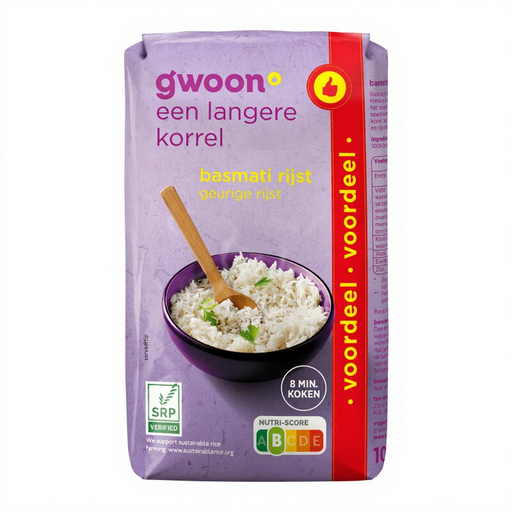
Why it suits this profile: A 1 kg bag limits the risk of ending up with too much in stock and is a good size for trying basmati rice for everyday use.
The manageable pack size means you don’t have to buy a lot of rice before you know what it tastes like or how to cook it.
100% basmati rice according to the product information; compact size for easy storage.
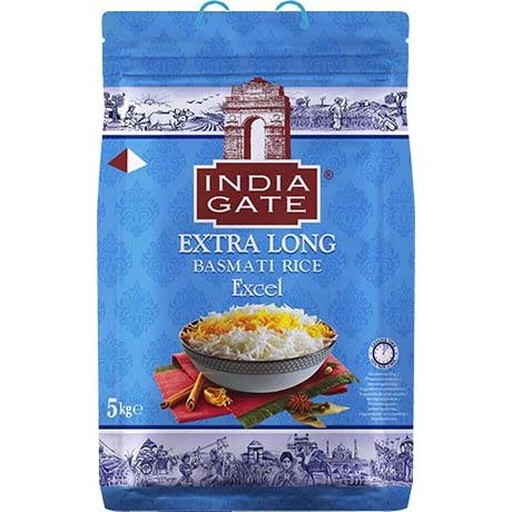
Why it suits this profile: The extra-long grains and 5 kg pack are a good fit for fans of biryani, pulao and meals for several people.
The product information clearly states the grain type, suggested uses and net weight, so you don’t have to rely as much on vague marketing claims.
Extra-long basmati rice; according to the product description, it is intended for fluffy, aromatic and non-sticky results.
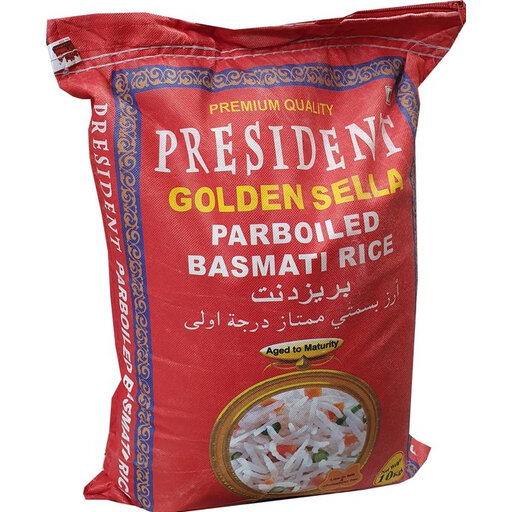
Why it suits this profile: The large bag and parboiled processing make this a good fit for caterers, food businesses and households that regularly cook large quantities.
The Golden Sella label makes the processing method clearer than packaging that only describes the rice as “long grain”.
20 kg of parboiled basmati rice; the product information lists biryani, curries and other rice dishes as suggested uses.
We’ve put together a complete, up-to-date list of products that meet these strict selection criteria and the applicable European safety regulations.
Look for long, slender grains and a product description that lists biryani as a suggested use. Golden Sella basmati rice can be useful when you want the grains to hold their shape during cooking and mixing. Always follow the cooking instructions on the pack.
As a practical starting point, allow around 75 to 100 grams of uncooked rice per person, depending on how it fits into the meal. You’ll often need less for a buffet with plenty of side dishes. Check the recipe when cooking for a large group.
Store the rice in a cool, dry place, away from direct sunlight. Seal the bag tightly or transfer the rice to a clean, airtight container. Before use, check the packaging and use-by information on the label.
