
Vandaag of morgen in huis

Kwaliteit gegarandeerd

Welkomstaanbiedingen ontgrendelen: GRATIS bezorging | Tot 80% korting | Gratis 30 dagen JoyPlus-proefperiode
Download de app
A tight-feeling face, flaky patches or skin that quickly becomes red: an ordinary moisturiser is not always enough. Anyone looking for a barrier cream for dry and sensitive skin usually wants to combine three things: locking in moisture, a comfortable feel and as little irritation as possible.
Yet it is easy for a purchase to be based on marketing language. A long ingredients list does not automatically mean a cream will suit your skin. Below, you’ll find which features to check, which pitfalls to avoid and which products suit different situations.
A body cream may be suitable for very dry skin, but it often has a richer texture or contains fragrance. That needn’t be a problem for your arms and legs, but it can feel heavy on your face. So always check the area of application. A cream for dry skin is not automatically a face cream for dry skin.
Ceramides, panthenol, hyaluronic acid and centella asiatica often feature in product claims. However, their presence does not tell you everything about the overall formula. Also look at:
For example, a ceramide cream may feel comfortable on dry skin, while a lightweight gel cream may be better suited to combination or oilier skin.
Words such as “soothing”, “repairing” and “72-hour hydration” are not a personal guarantee. According to NIVEA’s own research involving 41 volunteers, hydration with Repair & Care Urea Cream was measured 72 hours after two weeks of use. This was a self-assessment and is not a result that can be guaranteed for every user.
If you experience persistent redness, itching, swelling or damaged skin, cosmetics are not a substitute for advice from a GP or dermatologist.
A practical formula for dry skin usually combines several types of ingredients:
Pay attention to the concentration and the formula as a whole. A product containing lots of plant extracts is not necessarily gentler than a simple cream.
For sensitive or redness-prone skin, a fragrance-free cream can be a sensible first choice. Don’t just check whether “parfum” is absent; also look for essential oils. For example, according to the stated ingredients list, Dear, Klairs Rich Moist Soothing Cream contains lemon, lavender, orange, geranium and eucalyptus oils, among others. This does not make the cream unsuitable for everyone, but it does make it a less obvious choice for anyone wishing to avoid fragrances.
According to the product information, NIVEA Soothing Night Cream is described as fragrance-free. The formula contains glycerine, shea butter, panthenol and liquorice extract.
A rich cream can feel pleasant in the evening or on very dry skin. A gel cream generally absorbs more quickly and may be more practical under sunscreen or make-up. If you’re looking for a moisturising face cream, it’s worth matching the intended use to the texture:
Apply a new cream to a small area of skin first. Stop using it if irritation occurs and always follow the warnings on the packaging.
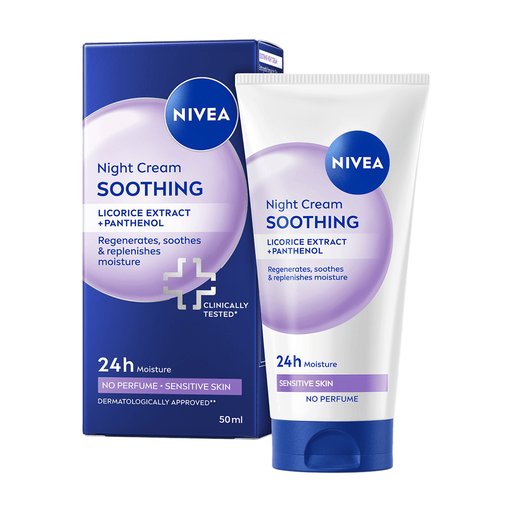
Why it suits this profile: A simple night cream for anyone looking for fragrance-free care without building an extensive routine.
The facial application and fragrance-free formula make the choice more straightforward for sensitive skin. Check the current packaging for the full composition.
Glycerine, shea butter and panthenol; 50 ml; according to the product information, developed for sensitive skin.
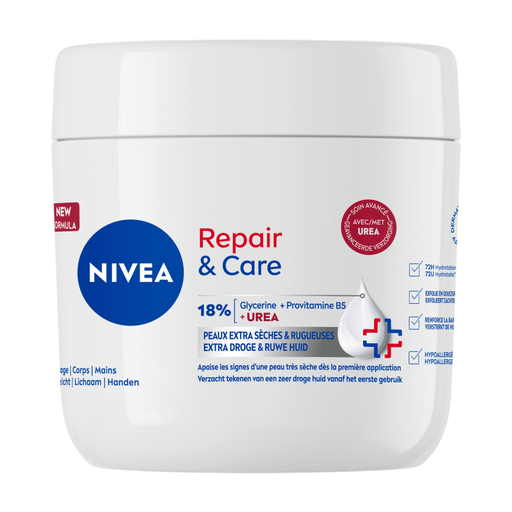
Why it suits this profile: Designed for very dry, rough skin on the body, hands or legs where a generous layer of cream is preferred.
The product name and description clearly state that this is a body cream. This makes the intended use less confusing than with a cream positioned as a universal product.
400 ml; glycerine, urea and provitamin B5; according to the product information, intended for very dry and rough skin.
We’ve put together a complete, up-to-date list of products that fully meet these strict selection criteria and the applicable European safety requirements.
Cleanse gently, pat your skin dry and apply the cream while it is still slightly damp. It’s better to use a small amount and add a second thin layer if needed. During the day, a suitable sunscreen is part of a complete routine. Don’t introduce several new products at the same time; this makes it easier to see which product feels comfortable.
A cream for sensitive skin does not have to be thick or greasy. Focus mainly on the balance between moisture-binding ingredients, soothing ingredients and the amount of occlusive ingredients. With combination skin, it may be more practical to use a lightweight cream all over your face and a richer cream only on dry areas.
Usually, once or twice a day is sufficient, depending on the product instructions and how your skin feels. Dry skin may benefit from use after cleansing and before bed. Build up gradually if your skin reacts easily.
Yes, you generally can. Apply a thin serum first, followed by the cream to help lock in moisture as part of your routine. Do check the full ingredients list and introduce new products one at a time.
Follow the expiry date and the period-after-opening symbol on the packaging. Keep the jar or tube tightly closed, out of direct sunlight and away from extremely hot or cold conditions. Has the smell, colour or texture changed? Do not continue using the product.
