
Vandaag of morgen in huis

Kwaliteit gegarandeerd

Welkomstaanbiedingen ontgrendelen: GRATIS bezorging | Tot 80% korting | Gratis 30 dagen JoyPlus-proefperiode
Download de app
A barrier cream for sensitive skin can help ease dryness, tightness and discomfort. However, not every cream is right for every face or body. A rich formula may feel too heavy on your face, while a lightweight moisturiser may not provide enough comfort for very dry skin.
As a Joybuy Product Recommendation Officer, I assess product information based on practical details: ingredients, size, area of use, texture and warnings. This helps you find a barrier cream for sensitive skin that fits more easily into your daily routine.
A product with, for example, 10% glycerine or 15% urea may sound impressive, but a higher percentage is not automatically more comfortable for every skin type. Urea may suit rough, very dry skin, while sensitive facial skin may respond better to a simpler formula.
Check the source of any claims, too. According to NIVEA’s own research, Repair & Care Urea Body Cream provides up to 72 hours of hydration; this is based on a self-assessment by 41 volunteers. These results may not apply to every user.
Body creams often come in larger packs and can seem like good value. However, their texture, fragrances and richer ingredients may not be suited to your face. Always check the stated area of use first.
A barrier cream for the face is usually more practical if your skin feels tight, its condition varies or your routine includes several serums. A body cream may be better value for your hands, arms, legs and elbows.
Words such as soothing and restorative usually describe the intended cosmetic experience. They do not mean that a cream treats eczema, redness or a skin condition. If your skin is damaged, or you have persistent itching, swelling or a burning sensation, stop using the product and seek advice from a doctor or dermatologist.
The INCI list is a good place to start:
Ingredients are generally listed in order of quantity, although the exact concentrations are not always clear. So look at the whole formula rather than focusing on one standout ingredient on the front of the pack.
A fragrance-free formula is not essential for everyone, but it may be a practical choice if your skin reacts easily. Check the ingredients for parfum and individually listed fragrance allergens such as limonene, linalool or citronellol.
A Korean skincare cream without fragrance is not automatically suitable for everyone, either. Botanical extracts and essential oils can also cause a reaction. Test a new product on a small area of skin first, and always follow the instructions and warnings on the packaging.
A fast-absorbing moisturiser may feel comfortable during the day or under make-up. In winter, a richer cream may be more comforting for dry skin. Also consider:
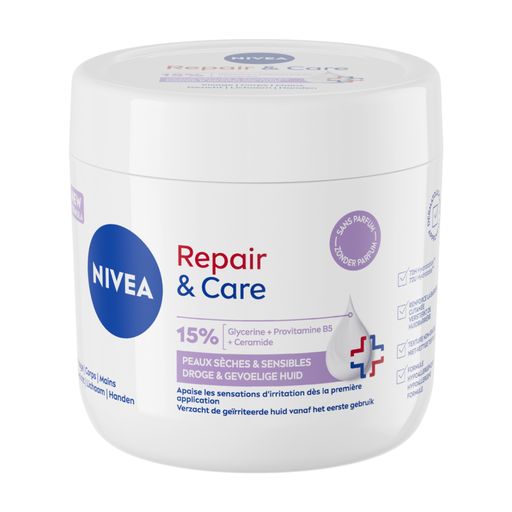
Why it suits this profile: The 400 ml pack is suitable for everyday use on dry, sensitive skin on the body. The formula contains 10% glycerine and panthenol and is fragrance-free, according to the product information.
It is clearly labelled as a body cream, so you are less likely to buy it by mistake as a specialist face cream. The fragrance-free formula also avoids one potential cause of sensitivity.
400 ml; 10% glycerine; panthenol; designed for sensitive, dry skin on the body.
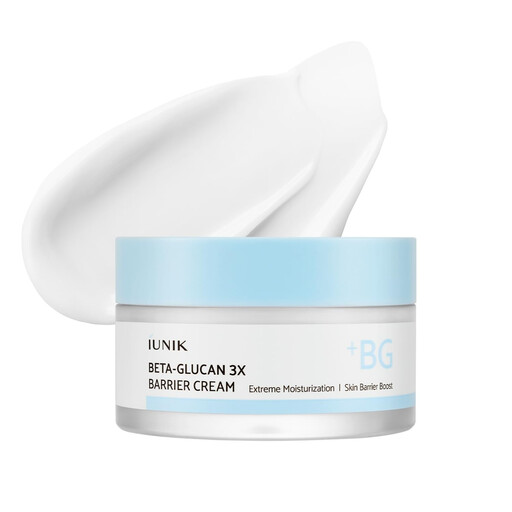
Why it suits this profile: The formula is designed for dry, tight-feeling facial skin and contains beta-glucan, ectoin and panthenol, according to the product description.
The manufacturer says the cream is formulated without synthetic fragrances. Its texture is described as rich yet fast-absorbing; check for yourself whether it suits your skin.
50 ml; beta-glucan listed at 10,000 ppm; ectoin; panthenol; vegan according to the product information.
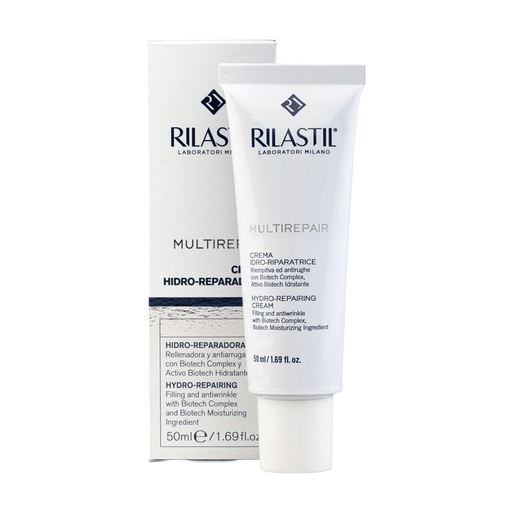
Why it suits this profile: The formula contains glycerine, urea, hydrolysed hyaluronic acid, shea butter and ceramides. It may suit those looking for a nourishing cream for dry facial skin.
The ingredients list makes clear that this is a rich formula containing fragrance and several fragrance allergens. This lets you decide in advance whether it is suitable for skin that reacts easily.
50 ml; ceramides NP, AP and EOP; urea; hyaluronic acid; glycerine; shea butter.
We’ve put together a complete, up-to-date list of products that meet these strict selection criteria and the applicable European safety requirements.
That depends on the formula and the instructions for use. Many moisturisers are intended for daily use in the morning and evening. If you have sensitive skin, start with a small amount and avoid introducing several new products at once. Stop using the product if you experience redness, swelling, itching or a burning sensation.
A ceramide cream may be suitable as part of a simple skincare routine for dry or eczema-prone skin, but cosmetics do not treat eczema. If possible, choose a formula without any ingredients you know trigger a reaction, and follow the warnings on the label. Seek medical advice if symptoms persist.
Check the expiry date and the period-after-opening symbol on the packaging. Store the cream in a cool, dry place away from direct sunlight, and close the packaging after use. If the smell, colour or texture changes, stop using the product.
