
Vandaag of morgen in huis

Kwaliteit gegarandeerd

Welkomstaanbiedingen ontgrendelen: GRATIS bezorging | Tot 80% korting | Gratis 30 dagen JoyPlus-proefperiode
Download de app
Dry, tight or easily irritated skin doesn’t automatically need a thicker cream. When choosing a barrier cream for sensitive skin, the formula, your skin type and when you use it all matter. A body cream, for example, may feel too heavy on your face, while a light gel cream may not feel comfortable enough on very dry skin.
As a Joybuy Product Recommendation Officer, I look for product information that can be checked. That way, you’re less likely to choose a product based solely on a standout claim or a popular ingredient.
Ceramides, panthenol, glycerine and hyaluronic acid are often found in a restorative face cream or moisturiser for dry skin. On their own, they don’t tell you how the complete formula will feel or which areas of the skin the product is intended for. Always check the full ingredients list and whether the cream is designed for the face, body or both.
Some products for sensitive or dry skin still contain fragrance, fragrance allergens or essential oils. If you’re specifically looking for a fragrance-free cream, check the ingredients list. Look out for “Parfum” and individual fragrance ingredients such as limonene, linalool or citral.
Claims such as “72-hour hydration”, “soothes redness” or “restores the skin barrier” depend on how the product is used, the condition of your skin and the testing method. According to NIVEA’s product information, the claim of up to 72 hours of hydration is based on an instrumental test involving a limited number of participants. Other brands may base their results on their own research or a brand-specific test. Treat this information as context about the product, not a guarantee of how it will work for your skin.
Don’t just check whether an ingredient is included; look at where it appears in the ingredients list too. The order gives you an indication of the amount, although it doesn’t always reveal the exact concentration.
For the face, many people choose a cream that absorbs quickly and works well under sunscreen or make-up. For hands, elbows or legs, a richer formula may be preferable. So a cream for irritated skin doesn’t need to have the same texture for every area.
A gel cream generally feels lighter. A cream containing shea butter, oils, waxy ingredients or silicones may feel more occlusive. Neither is automatically better or worse: it depends on your preference, the season and how dry your skin is.
A simple formula can be a practical choice for sensitive or acne-prone skin. Products containing lots of plant extracts or essential oils aren’t automatically unsuitable, but they may not suit everyone. For example, Skinfood Carrot Carotene Relief Cream lists essential oils and warns that they may cause sensitisation in people with sensitive skin.
Apply a new product to a small area of skin first. Stop using it if you experience redness, swelling, itching or other discomfort, and follow the instructions on the packaging. If symptoms persist or are severe, it’s wiser to seek advice from a doctor or dermatologist than to keep experimenting.
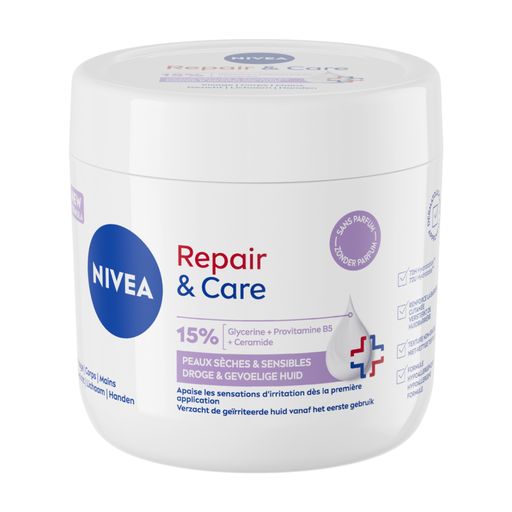
Why it suits this profile: The 400 ml pack is practical for everyday use on larger areas of the body. According to the product information, the formula contains 10% glycerine and panthenol and is fragrance-free.
The product information makes clear that this is a body cream and describes it as fragrance-free. That makes it easier to understand how it’s intended to be used.
400 ml; glycerine and panthenol; fragrance-free formula according to the product description.
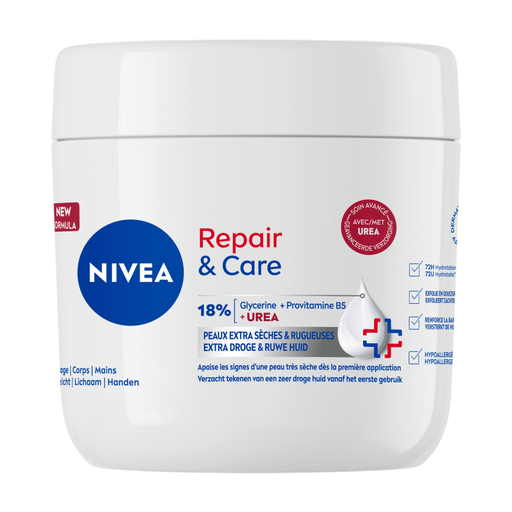
Why it suits this profile: This body cream is designed for very dry, rough skin and, according to the product information, contains glycerine, urea and provitamin B5.
The intended users and areas of use are clearly described. Bear in mind, though, that the ingredients list includes fragrance.
400 ml; urea and provitamin B5; designed for very dry, rough skin.
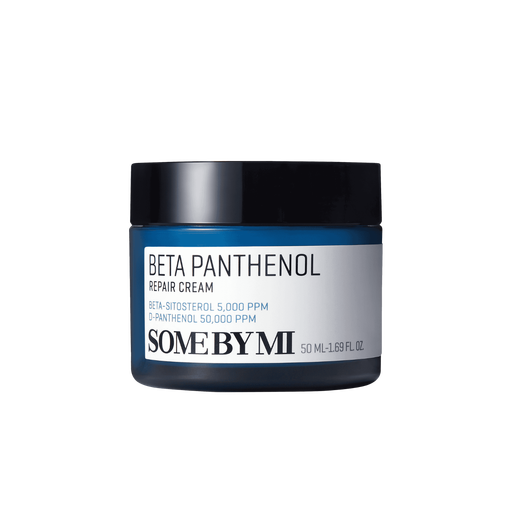
Why it suits this profile: The product description says the formula is for sensitive and acne-prone skin and includes panthenol, glycerine, beta-sitosterol and squalane.
The manufacturer describes the formula as non-comedogenic. This is a product claim, not a guarantee that everyone with acne-prone skin will react in the same way.
50 ml; panthenol and squalane; the product description recommends it for sensitive and acne-prone skin.
We’ve put together a complete, up-to-date list of products that meet these strict selection criteria and the current European safety requirements.
That depends on the full formula and its texture. You could choose a lightweight, non-comedogenic formula and avoid products that feel uncomfortable on your skin. A product claim such as “non-comedogenic” isn’t a personal guarantee. Test a new soothing cream on a small area first.
Follow the instructions on the packaging. Many face creams are used once or twice a day after cleansing. You can apply a body cream whenever your skin feels dry, preferably after showering. Don’t automatically use more product: a thin, even layer is often enough.
Check the expiry date, batch number and period-after-opening symbol on the packaging. Store the cream as instructed, close the packaging properly and look out for changes in smell, colour or texture. Don’t continue using a product if it has clearly changed or causes irritation.
