
Vandaag of morgen in huis

Kwaliteit gegarandeerd

Welkomstaanbiedingen ontgrendelen: GRATIS bezorging | Tot 80% korting | Gratis 30 dagen JoyPlus-proefperiode
Download de app
A dry, tight or easily reactive skin doesn’t automatically call for the richest cream on the shelf. A barrier cream for your face needs to suit your skin type, routine and preferences – whether that’s fragrance-free, vegan or non-comedogenic care. The right choice isn’t just about words like “intensive” or “restorative”; it’s really about the ingredients list, texture and usage instructions.
Terms like “repair”, “soothing” and “barrier strengthening” sound clear, but on their own they say little about how they’ll work on your skin. Check which ingredients are actually in the formula, such as ceramides, panthenol, glycerine, squalane, hyaluronic acid or cica.
Claims about a product’s effectiveness from a brand are not a universal guarantee either. According to iUNIK’s own research, the Beta Glucan 3x Barrier Cream is said to show improvements in hydration and barrier function. Treat this as brand information, not as a guaranteed result for every user.
A full cream can feel lovely on dry skin, but on oilier skin it can feel heavy or cause pilling under sunscreen and make-up. If you’re looking for a non-comedogenic moisturiser, it’s wise to check the product description and ingredients list. A light gel cream isn’t automatically better, but it can be more practical for combination skin.
“For all skin types” doesn’t mean every formula is suitable for every user. Some creams contain perfume, citrus oil, lavender oil or other fragrance ingredients. For sensitive skin, a fragrance-free formula is often a sensible first choice. Always check the current packaging, as formulations can change.
A hydrating face cream often contains humectant ingredients like glycerine, betaine, panthenol or hyaluronic acid. These help the skin feel more comfortable by drawing in moisture. Oils, fatty acids, silicones and ceramides can then help reduce the feeling of skin drying out.
For intensive hydration, the combination matters more than one popular ingredient. A cream with multiple types of hyaluronic acid can feel light, while a formula with shea butter, squalane or fatty acids offers more nourishment.
Ceramides are lipids that occur naturally in the skin. A ceramide cream can be worth considering if you’re specifically looking to support your moisture barrier. According to its stated ingredients list, The Ceramide Skin Barrier Moisturiser contains multiple ceramides, cholesterol, phytosphingosine, panthenol and various forms of hyaluronic acid.
Panthenol, ectoin, lecithin and cica also commonly appear in formulas aimed at a more comfortable skin feel. The presence of an ingredient doesn’t automatically mean it has a medicinal effect. For persistent redness, itching or irritation, advice from a doctor or dermatologist is wiser than trying yet another cream.
Alongside ingredients, pay attention to:
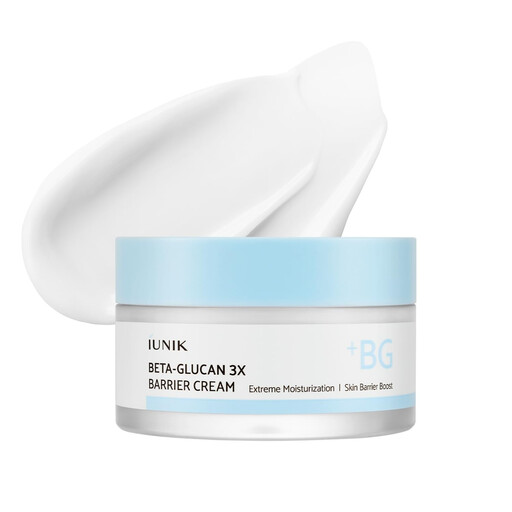
Why this fits the profile: The formula combines beta-glucan, ectoin and panthenol and, according to the product information, is free from synthetic fragrance, parabens and sulphates. This makes it a straightforward starting point for anyone looking for a Korean skincare cream.
The product information clearly names the ingredients and exclusions, so you’re less reliant on a vague “barrier” claim alone.
50 ml; vegan according to the product information; rich texture with fast absorption as described.

Why this fits the profile: This cream offers a comprehensive ingredients list for anyone who wants to compare ceramides, cholesterol, panthenol, squalane and hyaluronic acid in detail.
The composition is clearly laid out, including a warning to do a patch test and stop use if irritation occurs.
80 ml; multiple ceramides; sodium hyaluronate and panthenol in the ingredients list; stated as non-comedogenic.

Why this fits the profile: The larger size and combination of three ceramides, panthenol, ectoin, cica and hyaluronic acid suit anyone who uses a dedicated barrier-focused routine every day.
The formula isn’t based on just one popular ingredient; the product list also mentions lipids, hydrators and soothing components.
100 ml; three stated ceramides; panthenol, ectoin and sodium hyaluronate; stated as non-comedogenic.
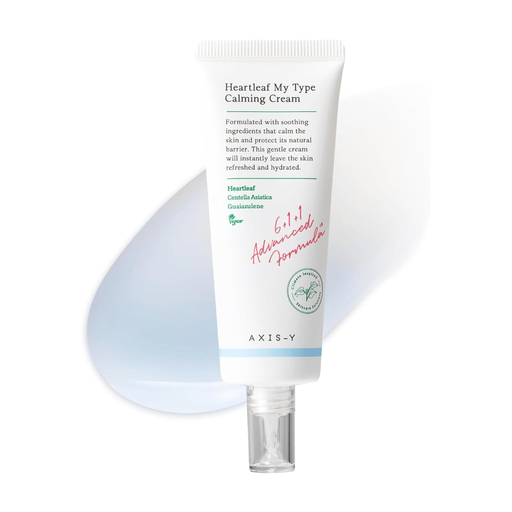
Why this fits the profile: The product description positions this light cream for oily and combination skin, with a finish that can also work under make-up.
The light texture stops you from automatically choosing a heavy cream for combination skin.
60 ml; vegan and free from synthetic fragrance according to the product information; designed as a make-up base.
We’ve put together a full, up-to-date list of products that fully meet these strict selection criteria and comply with current European safety regulations.
Apply the cream as the last step in your skincare routine, after a serum or essence. During the day, follow it with a sunscreen. Start with a small amount and build up if your skin feels dry. Always follow the instructions on the packaging.
That depends on the size and how much you use each time. A 50 ml product used daily will generally run out sooner than an 80 ml or 100 ml pot. Look at the open-jar symbol and the shelf-life information on the packaging. Store the cream in a cool, dry place away from direct sunlight.
First, look for a short, clear ingredients list and check whether fragrance or essential oils are present. Ingredients like panthenol, ceramides, glycerine and cica are often chosen for a comfortable skin feel. Test a new cream for sensitive skin on a small area first, and stop if you experience redness, itching or a burning sensation.
