
Vandaag of morgen in huis

Kwaliteit gegarandeerd

Welkomstaanbiedingen ontgrendelen: GRATIS bezorging | Tot 80% korting | Gratis 30 dagen JoyPlus-proefperiode
Download de app
Making barista-style coffee at home seems easy, until you’re faced with a wall of coffee beans, plant-based drinks and coffee machines. A dark roast doesn’t automatically tell you how the coffee will taste. Nor does a high pump pressure guarantee a great espresso. The right choice depends on how you brew, the flavour you enjoy and how you’ll use it every day.
Terms such as “intense”, “strong” and “rich” don’t always mean the same thing. Check the blend, roast level and recommended use too. A dark roast may taste stronger, but it might not suit you if you prefer a smooth espresso or lungo.
When choosing coffee beans for espresso, look out for:
A machine rated at 15 or 19 bar may sound appealing, but extraction isn’t determined by maximum pump pressure alone. Grind size, dose, tamping, water temperature and extraction time all affect the result.
A capsule coffee machine is quick and convenient, but gives you less freedom to choose and grind your beans. A semi-automatic espresso machine involves more steps, but gives you greater control over the grind, dose and milk texture.
Not all milk froths in the same way. For cappuccinos and lattes, barista milk or a plant-based drink formulated for coffee can be more suitable. With cow’s milk, pay particular attention to the protein and fat content. In oat drinks, the oils, proteins and stabilisers used can affect how well they froth.
Check the allergen information too. For example, according to the supplied product information, Oatly products contain oats and therefore gluten. Alpro Oat Barista also lists oats and gluten as allergens.
Choose beans to suit your favourite drink:
A built-in grinder is useful in a coffee machine that uses whole beans, but check how many grind settings it offers. More settings make it easier to adjust the grind for espresso, lungo or another brewing method.
For microfoam in cappuccinos and lattes, these points are worth considering:
MILBOK Double Milk lists 5.5 g of protein and 5.0 g of fat per 100 ml. According to the product information, it is made from 100% cow’s milk and is intended for steaming and frothing. Oatly Barista Edition contains 10% oats, according to the product information, and has been developed for frothing.
A capsule machine is a good choice if you want to make one or two cups quickly, with minimal adjustment. Check the capsule system, water tank capacity and available programmes.
A semi-automatic espresso machine is better suited to users who want to:
A pressure gauge, adjustable temperature and 58 mm portafilter can all be useful features. However, they’re no substitute for dosing correctly and maintaining your machine regularly. Descale it according to the instructions and let the parts cool before cleaning them.

Why it suits this profile: This blend is a good option if you want to try a bold espresso without buying several small packs. The product information lists Arabica and Robusta beans and recommends it for espresso, cappuccino and other speciality coffees.
The blend and 500 g pack size are clearly stated. That makes it easier to compare beans by variety and quantity, rather than relying on marketing claims alone.
Arabica-Robusta blend; 500 g; suitable for espresso and milk-based drinks.
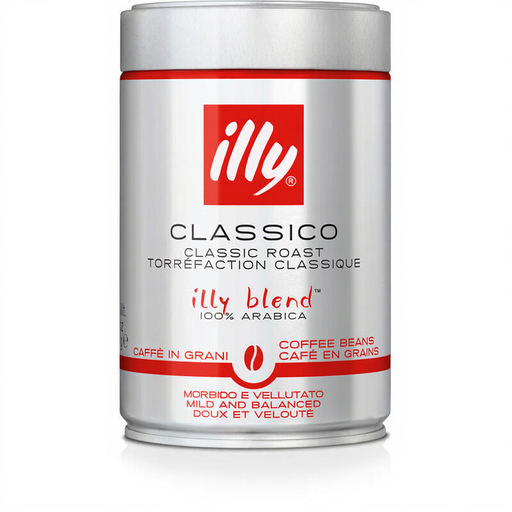
Why it suits this profile: If you prefer a smoother flavour profile, compare this 100% Arabica coffee using its stated medium roast and intensity rating of 5/9. According to the product information, the beans are suitable for espresso, lungo, moka and filter coffee.
The product description states the bean variety, roast and recommended uses. This makes it easier to compare than relying on a general description such as “strong”.
100% Arabica; medium roast according to the product information; 250 g pack.

Why it suits this profile: This machine is designed for users who want to grind, dose and froth milk themselves. Its listed specifications include a built-in grinder with 15 settings, a 58 mm portafilter, a steam wand and a 2.3-litre water tank.
This machine is about more than a pressure rating: the grind settings, temperature control, pressure gauge and steam function are all described separately. This gives you more to work with when adjusting your settings.
15 grind settings; 58 mm portafilter; 450 ml milk jug; automatic descaling according to the product specifications.
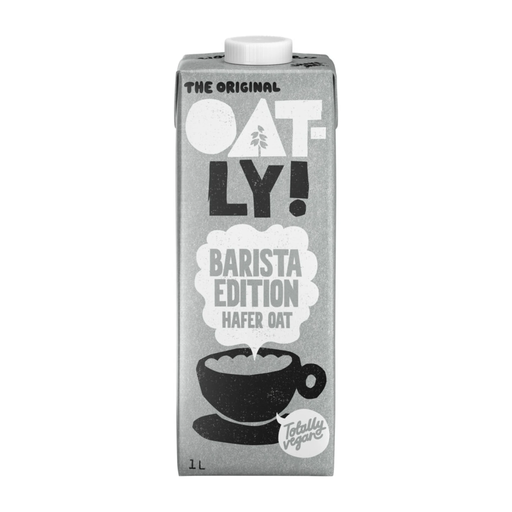
Why it suits this profile: According to the product information, this oat drink is designed for frothing and can be used in cappuccinos, lattes and other coffee drinks. The 1-litre pack is handy for regular use at home.
Here, the Barista label refers to its intended use for frothing. The ingredients and nutritional information are available to compare with other plant-based drinks.
Designed for frothing; 1 litre; ingredients and storage instructions listed.
We’ve put together a complete, up-to-date list of products that meet these strict selection criteria and comply with current European safety regulations.
Choose beans explicitly labelled as suitable for espresso or espresso machines. An Arabica-Robusta blend can provide a bold flavour and more body for cappuccinos and lattes. 100% Arabica is often a better match for a milder espresso. The right choice still depends on the roast, grind and your personal taste.
Choose an oat drink labelled Barista and shake the pack before use. Heat it gradually with a steam wand to create a fine, even microfoam. Follow the storage instructions on the packaging and keep an opened pack in the fridge.
It depends on how much coffee you use, the price per pack and your brewing method. Beans for a coffee machine can work out cheaper per cup, but you’ll need to invest in a grinder or bean-to-cup machine. Capsules are easy to measure out, but the cost per cup can vary between capsule systems. Remember to factor in maintenance, descaling, electricity and milk too.
