
Vandaag of morgen in huis

Kwaliteit gegarandeerd

Welkomstaanbiedingen ontgrendelen: GRATIS bezorging | Tot 80% korting | Gratis 30 dagen JoyPlus-proefperiode
Download de app
A protein bar seems like a simple purchase: choose a flavour, order a multipack and take one with you to the gym. But bars can vary considerably in protein content, sweeteners, allergens, portion size and texture. So a product that sounds appealing may not suit your eating plan or the occasion as well as you expect.
Barebells Soft Protein Bars Lemon Cheesecake are designed as a soft protein snack to enjoy after exercise or between meals. Each 55 g bar contains 20 g of protein, according to the product information. Read on to find out which details to check before buying a multipack, and who this protein bar might suit.
A claim such as “low sugar” doesn’t automatically mean a bar contains no carbohydrates or sweeteners. Always check the full nutrition table and ingredients list. This Barebells bar lists maltitol, xylitol and sucralose, among other ingredients. Polyols can have a laxative effect if consumed in excess. The product also carries this warning.
If you’re specifically looking to buy protein bars with no added sugar, check that this claim appears on the packaging and product page. “No added sugar” and “low in sugar” don’t mean the same thing.
20 g of protein per bar is a clear product specification, but it doesn’t tell you the whole story. Also check:
Barebells Soft Bars Lemon Cheesecake are sold as 55 g x 12 bars. Individually wrapped, they’re handy to take with you on the go, to the office or in your gym bag. When your order arrives, always check the net weight, best-before date and product information on the packaging.
“Lemon Cheesecake” describes the flavour, not the nutritional value. The recipe lists milk proteins, hydrolysed collagen, cocoa butter, milk powder and soya lecithin, among other ingredients. According to the product information, the bar contains milk and soya, which are relevant allergens. If you have an allergy or follow a specific diet, read the label before ordering.
If you’re looking for a protein bar to have after exercise, the protein content in each individual bar is the most useful figure to compare. According to the product information, Barebells Soft Protein Bars contain 20 g of protein per bar. That makes it easy to plan your portion without weighing the bar first.
That doesn’t mean the bar is right for everyone. If you already get enough protein from your regular meals, you may prefer it for convenience and flavour.
Maltitol and xylitol are among the sweeteners listed in this bar. Some people find polyols harder to tolerate, especially if they eat several bars in one day. Follow the usage instructions and store the bars in a cool, dry place, away from direct sunlight.
A sweet-tasting protein bar can make a convenient snack, but it isn’t automatically a substitute for a balanced meal. Choose one to suit your own nutritional goals and daily eating habits.
A multipack of 12 individually wrapped bars is handy if you regularly take snacks with you. You can set aside bars for training days, workdays or trips. When comparing options, look beyond the total price and check the price per bar too.
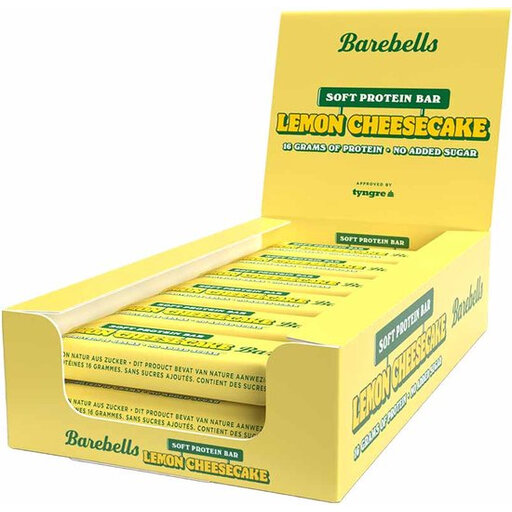
Why it suits this profile: The multipack contains 12 individually wrapped bars, each with 20 g of protein. It’s a straightforward choice if you’re buying Barebells protein bars for the first time and want to stock up on a convenient snack.
The portion size and protein content are clearly stated. Be sure to check the current price per bar and the label for exact nutritional values.
20 g of protein per bar, a soft texture, lemon cheesecake flavour and individual wrapping.
Why it suits this profile: This bar combines a set amount of protein with a soft bite and a distinctive flavour. It’s a good fit if you consider the eating experience as well as the nutritional values.
The product information includes protein content, portion size, ingredients and allergens. That means you don’t have to rely solely on the flavour name or the “low sugar” marketing claim.
20 g of protein per serving, made with milk proteins and individually wrapped in a 55 g bar.
Why it suits this profile: If you train several times a week or are often on the go, keeping a supply of individually wrapped bars makes them easy to take with you and plan into your routine.
A multipack can help you avoid buying bars individually on impulse. If you eat them regularly, take particular note of the warning about polyols and vary your snacks with whole foods.
12 bars per pack, 20 g of protein per bar and suitable for storage in a cool, dry place.
We’ve put together a full, up-to-date list of products that meet these strict selection criteria and current European safety regulations.
According to the product information, one 55 g bar contains 20 g of protein. Always check the label when you buy, as recipes and packaging information can change.
You can enjoy the bar as a snack after exercise or between meals. It isn’t an essential part of a training plan and doesn’t replace a varied meal. Choose when to eat it based on your own diet and daily needs.
Store the bars according to the product instructions in a cool, dry place, away from direct sunlight. The specific best-before date is printed on the packaging. Check it when your order arrives, and don’t use a bar if its packaging is damaged.
