
Vandaag of morgen in huis

Kwaliteit gegarandeerd

Welkomstaanbiedingen ontgrendelen: GRATIS bezorging | Tot 80% korting | Gratis 30 dagen JoyPlus-proefperiode
Download de app
A protein bar seems like a simple purchase: you pick a flavour, check how many bars you're getting, and pay. Yet Barebells protein bars and other protein bars vary significantly in nutritional values, sweeteners, allergens and portion size. If you're looking for a hazelnut protein bar, a nougat protein bar or a protein bar with 20 g of protein, eye-catching claims on the packaging can easily lead you to a less suitable choice.
The Barebells Hazelnut & Nougat 55 g is designed for adults who want extra protein on the go, between meals or after exercise. Below, you'll find out what to check before buying a pack of 12.
A bar that's low in sugar can still be relatively high in calories, fat or carbohydrates. So don't just look at the front of the pack – check the nutritional information table per bar. For the Barebells Hazelnut & Nougat, the product information per 55 g serving states:
The claim "no added sugars" doesn't mean the product is sugar-free. According to the product description, the stated sugars occur naturally in the ingredients used.
Many low-sugar protein bars use sweeteners or polyols, such as maltitol. This can affect the taste and texture. Consumed in excess, polyols can have a laxative effect. The Barebells bar contains maltitol, sucralose and acesulfame-K, among others.
That doesn't automatically make the bar unsuitable, but it is a reason to read the portion information and not eat several bars in a row without considering your total intake.
Always compare the amount of protein per portion, not just the percentage on the packaging. A small bar with 20 g of protein can be more practical than a larger snack with less protein, but the calories and ingredients still matter.
Also check the protein source. The Barebells Protein Bar Hazelnut & Nougat contains milk proteins and hydrolysed collagen. If you avoid a particular protein source or follow a vegetarian or vegan diet, check the ingredients list beforehand.
If you're looking for a high-protein snack after a workout or between meals, the portion size is important. According to the product information, the Barebells Hazelnut & Nougat contains 20 g of protein per 55 g bar. That's straightforward: you know exactly what one single portion contributes.
Proteins contribute to the growth and maintenance of muscle mass, but a protein bar doesn't replace a varied diet. Think of the bar as a supplement to your daily eating pattern.
A low-sugar protein bar can fit into various nutritional goals, but also compare the energy content. At 206 kcal per bar, the Barebells variant is more than just a small bite. The 2.9 g of fibre per bar can help make it a more filling snack, while the 1.4 g of sugar meets the demand for a low sugar content.
Watch out for conflicting or outdated information in online shops. Product labels can change. If you have allergies or specific dietary goals, always check the packaging you receive.
The product information lists milk and hazelnuts as allergens. Possible traces of soya, egg, sesame and other nuts are also mentioned. If you have an allergy, the current packaging is your guide.
Store the bars as instructed: in a cool, dry place away from direct sunlight. A bar that's kept warm for a long time can change in texture, especially because of the chocolate coating.
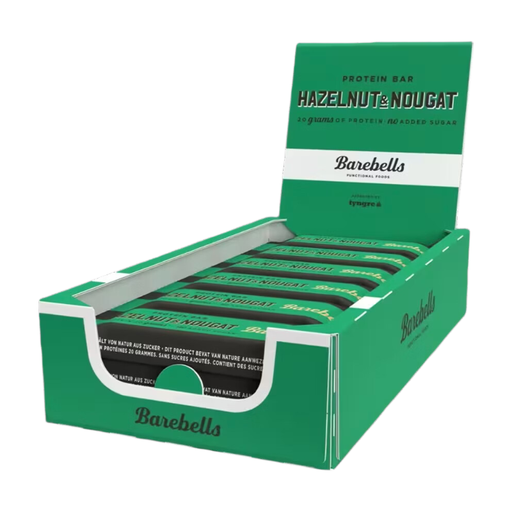
Why this fits the profile: The pack contains 12 individual 55 g bars, totalling 660 g. That's practical if you regularly want a reliable snack to take to work, the gym or on the go.
The product information clearly states the nutritional values per portion: 20 g protein, 1.4 g sugar and 206 kcal. So you don't have to rely on marketing claims alone.
Hazelnut and nougat flavour, 20 g protein per bar, 1.4 g sugar and 2.9 g fibre per 55 g.
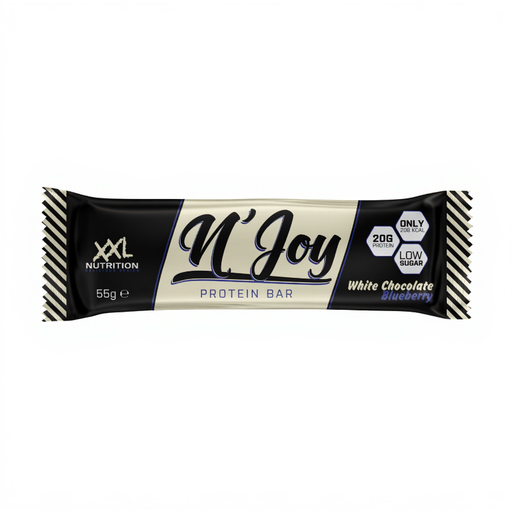
Why this fits the profile: According to the product information, this bar offers 20.4 g protein and 1.65 g sugar per 55 g. That makes it suitable if you want to compare a similar format on nutritional values.
The comparison is based on concrete values per bar rather than just the "high protein" label.
20.4 g protein, 1.65 g sugar and approximately 214 kcal per portion according to the stated nutritional information table.
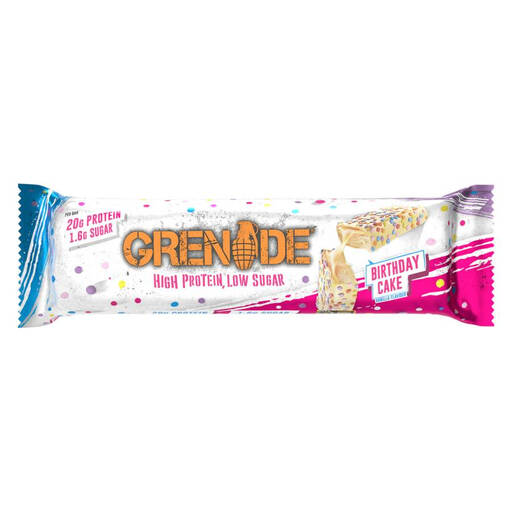
Why this fits the profile: The box contains 12 individually wrapped 60 g bars. That's handy for intensive training weeks, travel or stocking up.
The product information states both the portion size and the polyol content. This allows you to incorporate the bar more consciously into your daily routine.
More than 20 g protein and 1.6 g sugar per bar according to the product description; individually wrapped and available as a 12-pack.
We've put together a full, up-to-date list of products that fully meet these strict selection criteria and comply with current European safety regulations.
According to the product information, one 55 g bar contains 20 g of protein. The pack contains 12 bars, totalling 660 g.
No. The stated nutritional value is 1.4 g of sugar per bar. The product description also states that there are no added sugars. Always check the current packaging, as recipes and labels can change.
Yes, according to the usage information, the bar is intended as a practical snack after exercise, between meals or on the go. However, be aware of milk and hazelnuts as allergens, and the presence of sweeteners and polyols. A protein bar after exercise is a supplement, not a replacement for a balanced meal.
