Choose medium-sliced wholemeal bread if you also want to enjoy it every day and getting plenty of fibre is a priority; according to the Netherlands Nutrition Centre, wholemeal bread is high in fibre. If you’re mainly looking for a soft, mild-flavoured slice to go with your toppings, white bread may be a better fit. Check the slice thickness and any allergens for the bread you choose. If you’re shopping well in advance of the barbecue, freeze it in portions as soon as you get home.
Which bread is right for you?
If you also want to eat wholemeal bread every day
Would you like to use the bread for breakfast or lunch after the barbecue, and is fibre a priority for you? Then look for wholemeal bread. The Netherlands Nutrition Centre lists wholemeal bread as a type of bread that is high in fibre; also check that the product you choose is medium-sliced.
If you’re preparing topped slices in advance
Sliced bread is a practical choice for preparing topped slices or serving alongside cold salads. If you’re shopping early or expect to have leftovers, the Netherlands Nutrition Centre advises that you can freeze bread in portions as soon as you buy it.
If you need to check ingredients and allergens
The type or colour of bread won’t tell you which allergens a particular product contains. For packaged bread, read the label; for unwrapped bread, ask for allergen information, as advised by the Netherlands Food and Consumer Product Safety Authority. If you’re choosing gluten-free bread, also check for information about possible contact with gluten.
What should you look for when choosing?
First decide which type of bread you want, then check the slice thickness of the specific product and choose an amount that suits your plans.
Wholemeal bread
Choose this: if you’ll also serve the bread on ordinary days and fibre is your main nutritional priority.
Bear in mind: the term ‘multigrain’ doesn’t confirm that a loaf is wholemeal.
White bread
Choose this: if you’re mainly looking for a soft, mild-flavoured slice to go with your planned toppings.
The trade-off: according to the Netherlands Nutrition Centre, wholemeal or brown bread is a better choice if fibre is your main priority.
Gluten-free bread
Choose this: if you need gluten-free bread and the specific product meets your requirements.
Bear in mind: check the label and ask whether unwrapped bread may have come into contact with gluten, as advised by the Netherlands Nutrition Centre.
| What to consider |
What to check when buying |
Who it matters to |
| Type of bread |
Look for the term ‘wholemeal’ if that’s what you prefer; don’t judge by the colour or the word ‘multigrain’. |
If I’ll eat the leftover slices as everyday bread too, fibre comes first. Around 31% of consumers prioritise this when choosing bread for everyday eating. |
| Slice thickness and storage |
Check that the specific bread is medium-sliced and that you can store the amount you need in portions. |
I want to be able to add toppings to slices before the barbecue without having to use a whole loaf at once. Around 31% of consumers prioritise convenience when preparing food. |
| Where to shop |
Compare the shape, weight and stated slice thickness of the products you’re considering. |
If I’m doing all my barbecue shopping in one store, I want to be able to choose a suitable type of bread there. For around 23% of consumers, choosing where to shop is their top priority. |
| Ingredients and allergens |
Read the label or ask about allergens for unwrapped bread; if you’re choosing gluten-free bread, also check for possible contact with gluten. |
If I need to avoid certain ingredients, product information matters more than the colour or name of the bread. Around 15% of consumers make this their top priority. |
Common mistakes
-
Assuming multigrain means wholemeal
‘Multigrain’ tells you that different types of grain have been used, but it doesn’t confirm that the bread is wholemeal. So it may not match your preference for wholemeal bread.
Check the product name and label for the term ‘wholemeal’, then check the slice thickness.
-
Buying a whole loaf without a plan for leftovers
If you’re not sure how many people will come, you may end up with slices you won’t use straight away.
Following the Netherlands Nutrition Centre’s storage advice, freeze bread in suitable portions as soon as you buy it, then take out what you need.
-
Relying on bread colour to check for allergens
The colour won’t tell you which ingredients and allergens are in the bread you’ve chosen.
Read the label on packaged bread and ask for allergen information for unwrapped bread. For gluten-free bread, also check for possible contact with gluten.
-
Putting chilled toppings out with the bread
It’s important to limit how long meat, fish and salads are left out of the fridge. The Netherlands Nutrition Centre advises serving these foods in small amounts.
Set the bread out separately, and take chilled toppings and salads out of the fridge a little at a time. According to the Netherlands Nutrition Centre, food that has been left out of the fridge for more than two hours should be thrown away.
Stores and brands to consider
These bread ranges can help you decide what to look for; always check the slice thickness of each individual product.
Albert Heijn
Albert Heijn’s online range includes sliced bread, wholemeal bread, spelt bread, sourdough and gluten-free options.
- You can browse different types of bread before choosing a product.
- Check whether each loaf is medium-sliced.
Jumbo
Jumbo’s own-brand range includes white, brown, wholemeal and multigrain bread, in both whole and half loaves.
- The different product sizes can help you plan how much to buy.
- Check the slice thickness of the bread you choose.
Lidl
Lidl sells freshly baked bread and packaged loaves.
- Lidl says packaged loaves display a fibre meter, which may help you compare them.
- Also check the label and slice thickness of the specific loaf.
ALDI
ALDI’s fresh daily bread range includes white, fine wholemeal and multigrain bread.
- There are both whole and half loaves to consider.
- The word ‘sliced’ alone doesn’t confirm that the slices are medium-thick.
PLUS
PLUS’s bread range includes wholemeal bread, brown bread, hearth-baked loaves and sourdough varieties.
- The different types of bread give you a starting point for choosing.
- Check the slice thickness offered for each product.
Dirk
As well as everyday loaves, Dirk sells burger buns and baguettes.
- You can distinguish everyday bread from other types of bread for the barbecue.
- For everyday bread, check that the shape and slice thickness are right for you.
Rye bread on Joybuy
Thinking about serving rye bread alongside the usual barbecue breads? Check that this product’s slice thickness suits the toppings you have in mind.
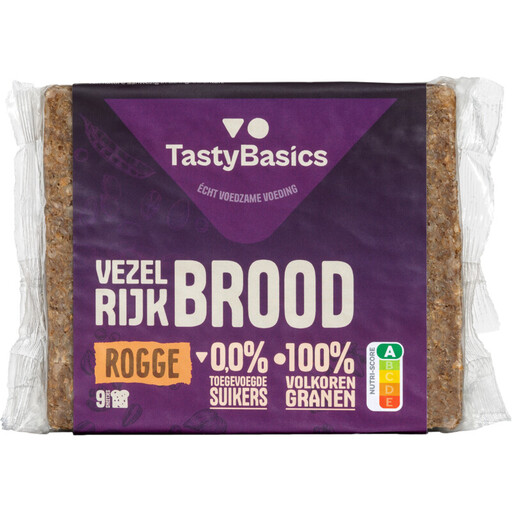 Image unavailable
TastyBasics Rye Bread, 9 pieces
An option to consider if you’re thinking of serving rye bread at your barbecue. The product name states that the pack contains 9 pieces; check the packaging for slice thickness, ingredients and allergens before choosing it to go with your planned toppings.
View on Joybuy
Frequently asked questions
Is multigrain bread automatically wholemeal?
No. According to the Netherlands Nutrition Centre, ‘multigrain’ means that different types of grain are used. Check separately whether the bread you’ve chosen is labelled as wholemeal.
Can I buy bread before the day of the barbecue?
Yes, as long as you store it correctly. The Netherlands Nutrition Centre advises freezing bread in portions as soon as you buy it if you plan to use it later. Also follow the storage instructions and use-by date on the packaging.
How can I check for allergens in unwrapped bread?
Ask the shop or bakery for allergen information about that particular bread. The Netherlands Food and Consumer Product Safety Authority states that sellers must inform customers about any allergens present; for packaged bread, this information is on the label.
Can I choose ordinary bread as gluten-free bread?
Don’t assume that you can: check the label on the specific product. For bread from a bakery, the Netherlands Nutrition Centre also advises asking whether the gluten-free bread may have come into contact with gluten.
Do the refrigeration rules for barbecue dishes also apply to bread?
The storage advice for bread is different from the advice for chilled barbecue toppings. The Netherlands Nutrition Centre advises taking meat, fish and salads out of the fridge in small amounts and throwing away any food that has been left out of the fridge for more than two hours. Store bread according to the instructions on the packaging.


