
Same-day & Next-day Delivery

Quality Guaranteed

Unlock Your Welcome Offers: FREE Delivery | Up to 80% OFF | Free 30-day JoyPlus trial
Download the APP
A warm, soft steamed bun is the perfect quick meal or snack. Whether you opt for a classic bapao with chicken or pork, or a sweet variety, the convenience is undeniable. But the disappointment is immense when your bite contains more dough than filling, or when the filling is dry and tasteless. Many frozen bapao products overpromise and underdeliver. We'll help you recognise the common pitfalls so your purchase doesn't become a letdown.
Before you stock your freezer, it's good to know what to look out for. There are a few typical problems that can spoil your shopping experience:
To avoid these problems, you can pay attention to a few specific details. These details provide a better indication of quality than the marketing on the packaging.
The core of any good bapao is the filling. Look beyond just the flavour (like bapao chicken or bapao pork) and check the ingredients list for the filling percentage. A higher percentage of meat or vegetables usually means a fuller and more flavourful bun. Brands that clearly state this percentage are often more transparent about their product. Also, pay attention to the composition: are whole pieces of meat and vegetables used, or is it a finely ground, unrecognisable paste? This makes a huge difference to the texture and taste.
The dough, or the 'bun', should be soft, light, and slightly springy. It should not overpower the filling. The term bao buns often refers to these soft, white steamed buns. The quality of the dough depends on the wheat flour used and the rising process. Good dough absorbs steam without becoming soggy and has a slightly sweet, neutral taste that complements the filling.
The recommended preparation method says a lot about the final result. Steaming bapao almost always yields the best result: an evenly heated, soft, and fluffy bun. This can be done in a steamer basket, but also with a colander over a pan of boiling water. Some frozen bapao is also suitable for the microwave. This is faster but can lead to a tougher or drier bun if you're not careful. If convenience is your priority, a microwave option is handy, but for the best texture, steaming is the recommended method.
Based on clear product features, we have selected a number of options that suit different preferences and situations.
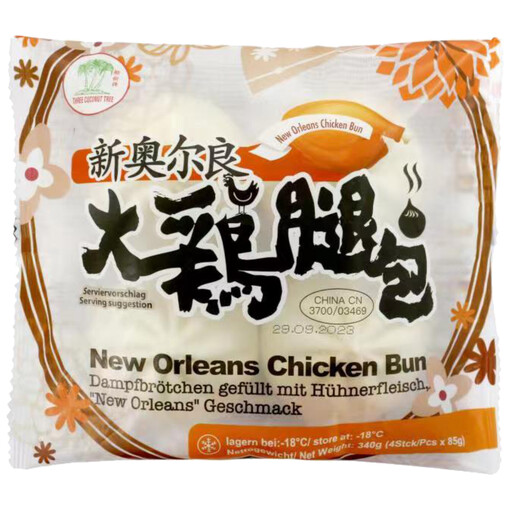
Why This Fits Their Persona: Ideal for those seeking a quick, flavourful, and slightly spicy bite for lunch or as a snack. The familiar 'New Orleans' flavour is approachable and doesn't require culinary adventurousness.
The specific Orleans marinade is designed to keep the chicken filling (19.61%) juicy and flavourful, which counteracts the pitfall of a dry filling.
A spicy, seasoned chicken flavour that's a bit different from standard chicken fillings. Quick to prepare by steaming.
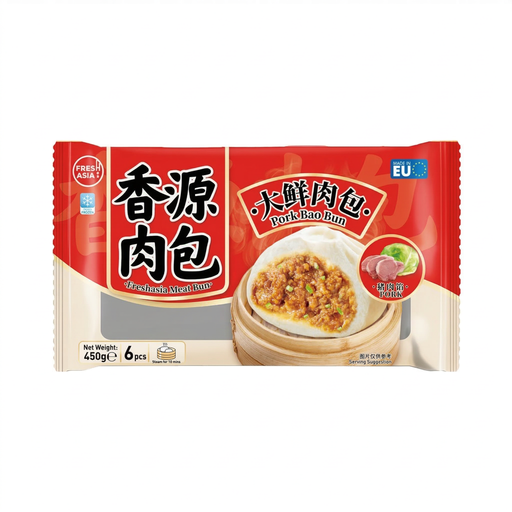
Why This Fits Their Persona: For those seeking the classic, savoury flavour of a Chinese pork bun, similar to what you'd get in a dim sum restaurant. This is a step above the standard supermarket bapao.
The name "Juicy Pork Buns" and a clearly stated pork percentage of 21% directly address the fear of a dry, meagre filling. The addition of pork rind and lard in the filling ensures extra juiciness.
A classic, savoury filling with a high meat percentage. The texture is juicy, providing a more authentic eating experience.
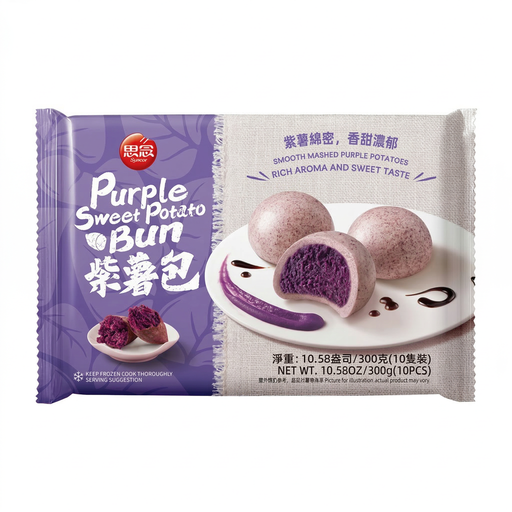
Why This Fits Their Persona: Perfect for anyone looking for a sweet snack, dessert, or a special breakfast. The purple colour and soft, sweet filling make it an attractive alternative to savoury snacks.
This is a sweet bun, so the pitfalls of a dry meat filling don't apply. The filling is a soft paste of purple sweet potato (20%), which ensures a consistent, creamy texture.
A unique, naturally sweet flavour and a striking colour. Suitable for both microwave and steaming, making it very convenient.
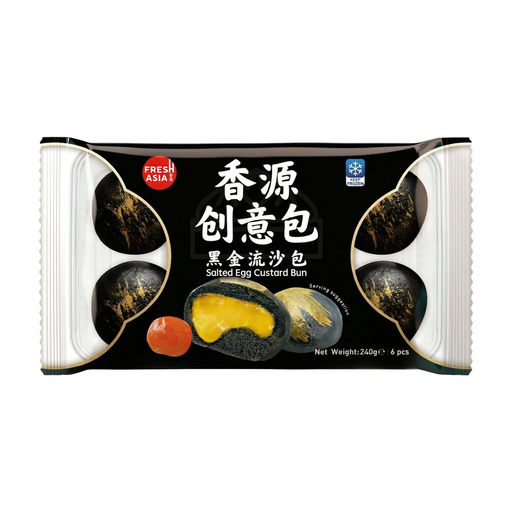
Why This Fits Their Persona: For the foodie who loves trying something new and trendy. The combination of a black bun and a molten 'lava' filling of salted egg yolk is a unique experience for breakfast or tea time.
This product is designed around its 'lava' texture. The molten filling of salted egg yolk (12%) is, by definition, not dry. Its unique appearance, coloured with squid ink, shows that this is not a standard product.
A unique sweet-and-salty flavour combination with a molten 'lava' core. The striking black bun makes it a visual spectacle.
We have compiled a complete, up-to-date list of products that meet these selection criteria. Find the perfect Asian snacks for your freezer.
No steamer basket? No problem. You can easily steam bapao with common kitchen tools. Place a metal colander or a heatproof plate on three balls of aluminium foil in a large pot. Add a layer of water (making sure the water doesn't touch the colander or plate), bring it to a boil, and place the frozen buns in the colander. Cover the pot and steam for the recommended time on the packaging, usually 8-12 minutes.
The terms are often used interchangeably, but there is a slight difference. 'Bapao' (derived from the Chinese 'baozi') usually refers to a completely closed, round steamed bun with a filling. 'Bao buns' (often called 'gua bao') are typically flat, folded buns that you fill yourself, similar to a pita bread. In practice, both terms are used in many regions for all kinds of steamed buns.
Frozen bapao, when stored consistently at -18°C (0°F) or colder, generally has a long shelf life. Always check the 'best before' date on the packaging. Once thawed, it's important not to refreeze the buns. Store thawed bapao in the refrigerator and consume them within a day.
