
Same-day & Next-day Delivery

Quality Guaranteed

Unlock Your Welcome Offers: FREE Delivery | Up to 80% OFF | Free 30-day JoyPlus trial
Download the APP
Finding good bao buns can be a challenge. The packaging often promises soft, generously filled Chinese buns, but the reality can sometimes be a letdown. As a Product Recommendation Officer at Joybuy, I see where things often go wrong. Before you add frozen bao to your cart, it's wise to pay attention to a few key details.
Many shoppers fall into two common traps:
By paying attention to a few key points, you can easily sidestep these problems and enjoy delicious steamed buns at home.
To make a good choice, you don't need to try every brand. Focus on three concrete specifications that determine quality.
The filling is the heart of the bao. Whether you prefer sweet or savoury, the details on the ingredients list speak volumes.
The dough determines the texture. There is an important difference between a filled bun (bao) and an unfilled bun (mantou).
Check the ingredients list for the base: wheat flour is the standard. The preparation instructions are also a hint. If it says "steam for 8-10 minutes," that is the traditional and often the best method for a fluffy result.
Almost all bao buns you can buy online are frozen bao. This is actually an advantage. Modern freezing techniques ensure that freshness and texture are well-preserved. The crucial point is how you prepare them at home. Steaming is the recommended method. Some products can be microwaved, but this can negatively affect the texture, making the bun tougher. Always follow the instructions on the packaging for the best result.
Based on these criteria, we have selected a number of products that suit different preferences.
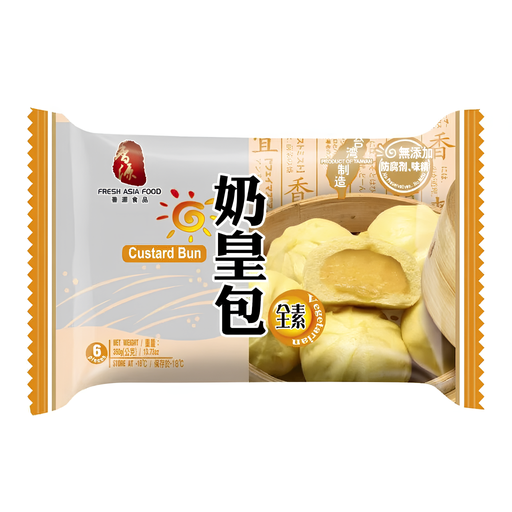
Why This Fits Their Persona: Perfect for those seeking the familiar, creamy flavour of a classic custard bun (nai wong bao) just like you'd get at a dim sum restaurant. Ideal as a dessert or sweet breakfast.
This product sidesteps the 'filling disappointment'. The ingredient list specifies custard powder, egg yolk powder, and milk powder, indicating a rich and creamy filling rather than a simple sugar paste.
The combination of a soft, fluffy dough and an authentically flavoured custard filling. Easy to prepare by steaming.
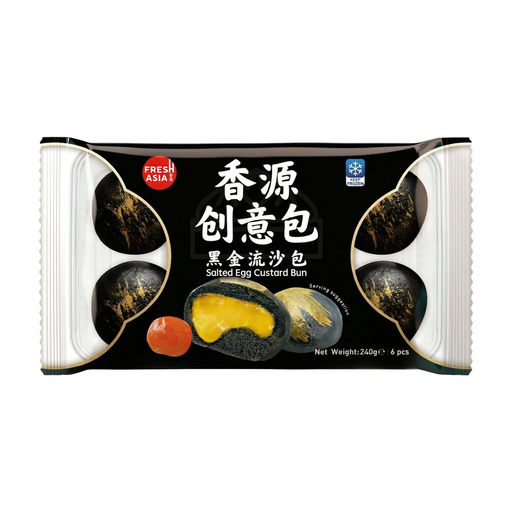
Why This Fits Their Persona: For those who want to try something unique. This is a 'liu sha bao' with a molten salted egg yolk filling. The black-and-gold exterior, coloured with squid ink, provides a restaurant-worthy presentation.
This product is very specific about its filling: 'salted egg yolk lava' with a 'melting, molten centre'. This sets a clear expectation and prevents disappointment over a bland filling.
A unique sweet-and-salty flavour combination and an impressive 'lava' texture. The product specifies a filling percentage of 12% salted egg yolk.
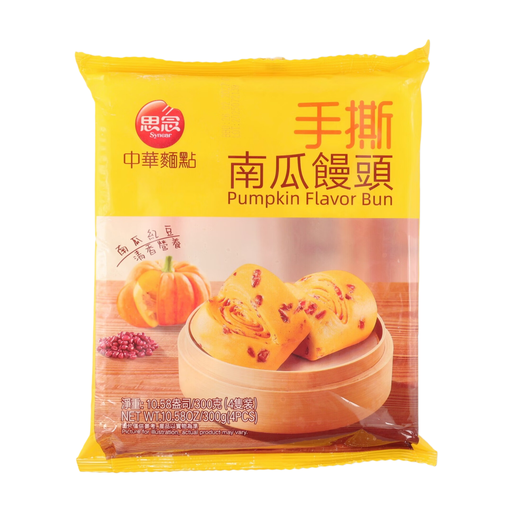
Why This Fits Their Persona: Ideal for those looking for a base. This is an unfilled bun (mantou) with a subtle pumpkin flavour. Perfect for filling yourself or as a side dish with savoury Asian dishes.
Because it's a mantou, there's no filling to be disappointed about. The focus is entirely on the texture of the dough. The "hand-torn" style description suggests a fluffy, layered structure.
Versatility and a soft texture. The addition of 15% pumpkin purée provides a natural, mild sweetness and colour.
We have compiled a complete, up-to-date list of products that fully meet these strict selection criteria and current regulations.
Simply put: bao are filled steamed buns and mantou are unfilled steamed buns. Mantou are often eaten as a side dish, similar to how bread is used in Western cuisine, while bao are a complete snack or meal in themselves.
No steamer basket? No problem. You can place a metal colander or a heatproof rack in a large pot with a shallow layer of boiling water. Place the buns on a piece of parchment paper in the colander, ensuring they don't touch the water, and cover the pot with a lid. Steam according to the package directions.
Yes, you can, but steaming yields a better result. If you do use the microwave, place the bun on a plate and cover it loosely with a damp paper towel. Heat it in short intervals of 30-45 seconds until it's heated through. This prevents the bun from drying out or becoming tough. Always check the packaging for specific microwave instructions.
