
Same-day & Next-day Delivery

Quality Guaranteed

Unlock Your Welcome Offers: FREE Delivery | Up to 80% OFF | Free 30-day JoyPlus trial
Download the APP
Bao buns are soft, steamed buns from Asian cuisine. They’re often filled with meat, vegetables or sweet paste, and are suitable for breakfast, a snack, a light meal or as part of a dim sum spread. But when you shop for bao buns online, you’ll find big differences in size, filling and cooking method.
Attractive packaging doesn’t always tell you everything. So keep an eye out for these common pitfalls.
Terms such as “New Orleans style”, “juicy” or “authentic” don’t automatically tell you how much filling a bun contains. Check the ingredients list to see whether it gives the proportion of chicken, pork, prawns, vegetables or sweet paste.
For example, the MENGFU New Orleans Style Chicken Bao states that the filling makes up 40% of the product and that 71.5% of the chicken filling consists of chicken leg meat. That gives you more to go on than the flavour name alone.
Not all Chinese bao buns are ready in just a few minutes. Some can be steamed straight from frozen, while others contain raw dough and need longer to cook through. If you cook them for too short a time, the centre may still be cold.
Look out for phrases such as:
Bao buns often contain wheat and may also contain soya, sesame, egg, milk, crustaceans, molluscs or celery. If you’re ordering a selection of dim sum, it’s especially wise to check the allergens for each product.
For example, a chicken product may also contain soya, sesame or oyster sauce. Bao buns with pork or prawns may also contain gelatine, fish or crustacean ingredients.
First, choose between filled bao buns, plain steamed buns and sweet bao buns. You can fill a plain bun, such as bao bread, yourself with braised meat, crispy chicken or vegetables. A ready-filled bun is more convenient if you want a quick meal.
Examples of fillings include:
Don’t just compare the price per pack: check the net weight and number of buns, too. A 300-gram pack may contain six medium-sized buns, while a 480-gram pack may be more suitable for a family or a larger dim sum meal.
Small buns are handy as a snack. Larger buns are better suited to lunch or a meal. Also check whether the buns are individually wrapped, as this makes portioning easier.
The most common method is to steam bao buns in a basket over boiling water. Place baking paper under the buns and leave space between them, as the dough can expand as it heats.
Also bear the following points in mind:
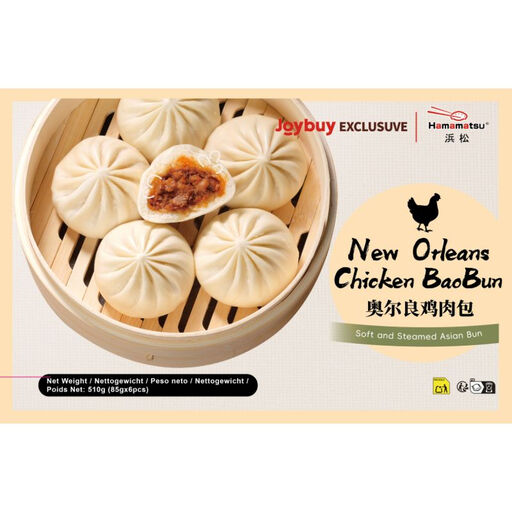
Why it suits this type of shopper: The pack contains six chicken bao buns weighing around 85 grams each. That makes portioning easy for a quick lunch or snack.
The product information gives the weight, number of buns, ingredients and storage temperature of -18 °C or below.
Six portions, a chicken filling and a cooking method that centres on steaming.
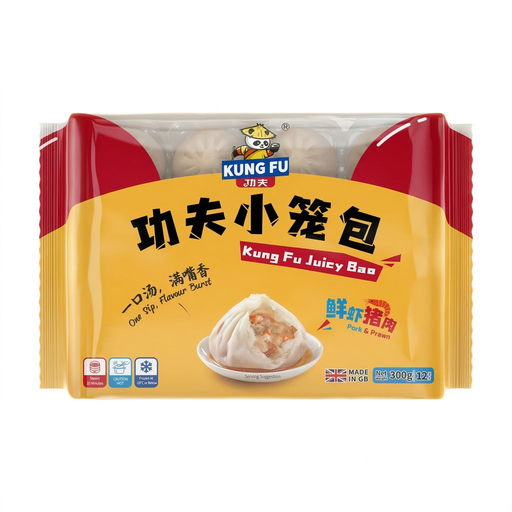
Why it suits this type of shopper: This variety combines pork, prawns and broth in one dim sum bun, making it a good choice if you enjoy a range of savoury flavours.
The ingredients list includes 23% pork, prawns and the allergens present.
Cook from frozen in around 8–10 minutes; delicious served with ginger and vinegar.
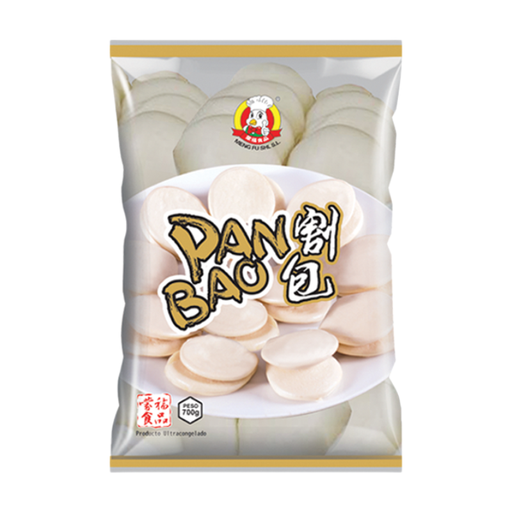
Why it suits this type of shopper: These plain bao buns are designed to be filled at home, making them handy for households that want to try different combinations.
The product information clearly states that the buns are unfilled and can be steamed straight from frozen.
700 grams per pack, steaming takes around 3–4 minutes, and wheat is the only listed allergen.
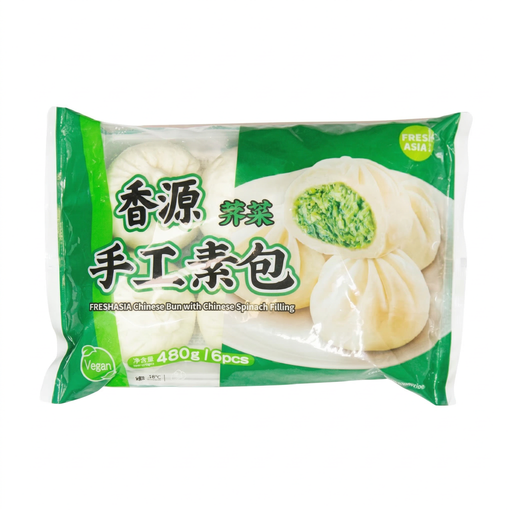
Why it suits this type of shopper: According to the product information, the filling includes tofu, vermicelli, shiitake mushrooms and shepherd’s purse.
The product details list the plant-based ingredients and identify wheat, soya and sesame as allergens.
A 480-gram pack that can be steamed from frozen in around 10–12 minutes.
We’ve put together a complete, up-to-date list of products that meet these strict selection criteria and current European safety regulations.
Most frozen bao buns need around 8–12 minutes over boiling water. Always check the packaging. Raw dough products may need longer; some steamed meat bao, for example, specify 15 minutes. The centre should be piping hot before you serve them.
Only if the product information says you can. Use a microwave-safe plate, add a few drops of water if needed and cover the bun. The exact cooking time depends on the wattage and the size of the bun. Steaming usually gives a softer, more even texture.
Store frozen bao at -18 °C or below. Thaw only the amount you plan to cook straight away, and don’t refreeze thawed buns. Once opened, it’s best to use the remaining buns as soon as possible, following the instructions on the packaging.
