
Vandaag of morgen in huis

Kwaliteit gegarandeerd

Welkomstaanbiedingen ontgrendelen: GRATIS bezorging | Tot 80% korting | Gratis 30 dagen JoyPlus-proefperiode
Download de app
When you search online for banana snacks and banana products, you’ll soon come across dozens of options. From crunchy banana crisps and dried banana to banana drinks, banana mochi and banana baby food, the name alone doesn’t tell you enough about the taste, ingredients or when to enjoy them.
For example, attractive packaging might suggest a high banana content, even if oil, sugar or other ingredients have been added. For baby products, age suitability, allergens and storage instructions are also important. Use the checks below to compare products more practically and avoid a purchase you might regret.
Check the ingredients list and the quantitative ingredient declaration. For example, Three Squirrels Banana Chips lists 72.6% banana. According to the product information, Tropical Gourmet extra sweet plantain chips contains 70% plantain. That difference matters if you’re mainly looking for a fruity taste.
The banana content may be lower still in a banana drink. Maaza Banana Drink 1000 ml lists 23% banana purée, alongside lemon juice, sugar and acidity regulators. It may therefore taste different and suit your needs less well than a product made almost entirely from dried banana.
Dried fruit and crisps contain less water than fresh fruit, so their nutritional values per 100 grams are more concentrated. Three Squirrels Banana Chips lists 548 kcal and 34.4 grams of fat per 100 grams. AfroAse Plantain Chips Salted lists 500 kcal and 28 grams of fat per 100 grams.
So don’t compare products based only on words such as “fruit” or “tropical”. Check energy, fat, saturates, sugar and salt too. A small pack can be handy for a snack on the go; a larger bag is more practical for sharing, but makes it less easy to keep track of portions.
For banana baby food, the age guidance should be your starting point. Products such as Nestlé Pyjamapapje Banana are intended for babies from 6 months, while Olvarit Banana Cake is labelled for babies from 8 months. Always check the packaging and follow the manufacturer’s preparation and storage advice.
Check the allergens too. Mochi, for example, may contain soya, milk or sulphites. Yuki & Love Pineapple-Banana Mochi lists soya, dairy and sulphites as allergens, and warns that it may contain traces of gluten, peanuts, sesame and nuts. Bamboo House Double Filling Banana Mochi lists milk and egg.
First, decide which type of product you’re looking for:
Terms such as “natural” or “tropical” don’t automatically tell you everything about a product’s ingredients. Use the ingredients list as your main point of comparison.
Products in different pack sizes are only easy to compare when you use the same reference amount. For snacks, pay particular attention to energy, fat and salt. For drinks, check sugar and portion size. A 1-litre bottle of banana drink is a different purchase format from an individual snack pack.
Maaza Banana Drink lists 13.2 grams of sugar per 100 ml. G’woon Banana Apple Squeeze Fruit is a purée made with 75% apple purée and 25% banana purée. That’s a different type of product from a snack made with dried banana.
Before you check out, make sure you’ll be able to store the product properly once it’s opened. Many dried products should be kept in a cool, dry place in a sealed container. According to Bamboo House product information, mochi can become stickier or lose its shape when exposed to heat.
Baby products have shorter storage times after opening. Nestlé advises that its opened product should be kept chilled for a maximum of 24 hours. A 48-hour period is given for various Olvarit fruit products. Always follow the information on the current packaging, as packaging and product information can change.
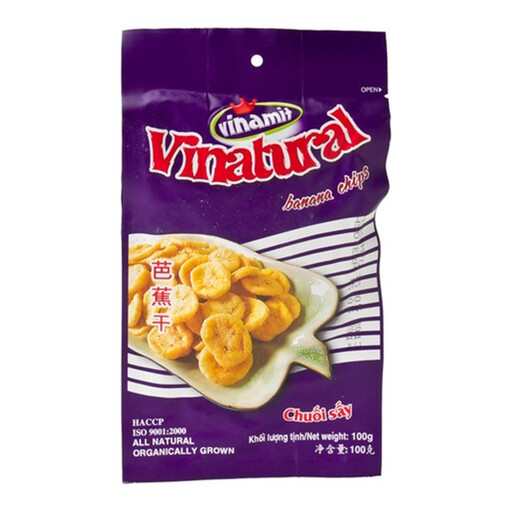
Why it suits this profile: A compact pack of dried banana pieces for anyone who wants to try a simple tropical snack first.
The product description specifies dried banana pieces, with no complex flavour variation. Check the packaging for the latest ingredients list.
100-gram pack; handy as a snack on the go or as an addition to breakfast and desserts; according to the product information, free from the 14 major EU allergens.
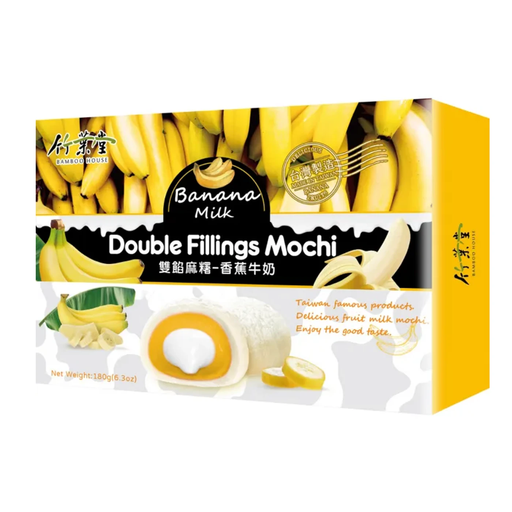
Why it suits this profile: For fans of Asian snacks who are looking for soft mochi and a double filling.
The product information lists separate banana and milk fillings, so you know in advance that this isn’t a single-ingredient banana purée.
180 grams; made in Taiwan according to the product information; milk and egg are listed allergens.
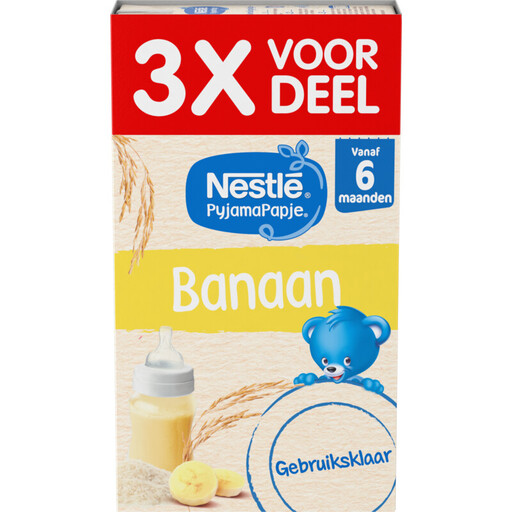
Why it suits this profile: For parents looking for a ready-to-eat banana porridge product for a baby aged 6 months and over.
The product information gives an age recommendation of 6 months and over, and advises keeping it chilled for no more than 24 hours after opening. Check the packaging to confirm this.
Ready to eat; pack of three; contains 7.5% banana purée, with milk listed as an ingredient and allergen.
We’ve put together a complete, up-to-date list of products that meet these strict selection criteria and current European safety regulations.
Banana crisps are usually made from ordinary bananas and often taste sweeter. Plantain crisps are made from plantains, which can be firmer and less sweet. The final taste also depends on the oil, salt, seasoning and any added sugar, so always check the ingredients list.
Store both products according to the label, in a cool, dry place away from direct sunlight and heat. Seal an opened bag of dried banana well to keep it crunchy. Protecting banana mochi from heat is particularly important, as the outer layer can become stickier.
Check the age guidance on the product. Examples include Nestlé Pyjamapapje Banana 6m+ and Olvarit fruit purée for babies from 6 months. Also check for milk, gluten, fruit content and storage instructions. If you’re unsure about when to start introducing solid foods, speak to a doctor or child health clinic.
