
Vandaag of morgen in huis

Kwaliteit gegarandeerd

Welkomstaanbiedingen ontgrendelen: GRATIS bezorging | Tot 80% korting | Gratis 30 dagen JoyPlus-proefperiode
Download de app
As a Joybuy Product Recommendation Officer, I see parents and grandparents searching for the perfect toy every day. The transition from crawling to a child's first independent ride is a major milestone. A balance bike is often the first introduction to the world on two wheels. But with so many choices, it can be difficult to determine which model is the right fit. This guide is designed to help you make an informed decision based on practical specifications and your child's developmental stage.
Before you make a choice, there are a few key points to consider. This will help you find a model that is not only fun but also safe and durable.
The most important rule for a balance bike is that the child must be able to stand with both feet flat on the ground while sitting on the saddle. This provides control and builds confidence. Therefore, pay close attention to the saddle height. An adjustable seat and handlebars are essential. A grow-with-me bike adapts as your child grows, ensuring you get more use out of it. This is especially important for a balance bike for 2-year-olds, an age when children grow quickly.
Safety comes first. Check that the product complies with current EU safety standards (CE marking). The frame is usually made of steel or aluminium. Steel is robust, while aluminium is lighter and easier for young children to handle (and for parents to carry). Also, consider the tyres. Puncture-proof tyres made of EVA foam are maintenance-free, while pneumatic (air-filled) tyres offer more cushioning. Always read the manufacturer's safety warnings, such as the advice to wear protective gear and use the product under adult supervision.
The term 'first bike' covers several options:
first bike without pedals is perfect for developing balance. Children from around 2 years old intuitively learn to balance on it, which makes the transition to a pedal bike later on much easier.kids' scooter promotes coordination and is a fun, active pastime.Based on functionality, adaptability, and popular features, we have selected a few models for you.

Why This Model Stands Out This is the classic balance bike, designed to do one thing very well: help children find their balance. According to the manufacturer, the lightweight frame is easy for children to handle and simple for parents to carry. The focus is purely on learning to balance by pushing off with their feet.
Key Features
Who It's For Ideal for toddlers and preschoolers (2-6 years) who are ready for their first bike without pedals. It's a focused preparation for a real bicycle and a popular gift for a 3-year-old.
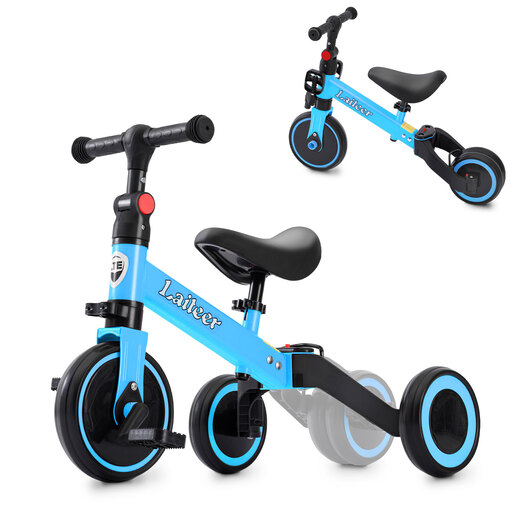
Why This Model Stands Out This grow-with-me bike is a smart 3-in-1 solution. It transforms from a stable tricycle for the little ones to a balance bike as they get older. The pedals are detachable, allowing the model to adapt to the child's developmental stage.
Key Features
Who It's For Perfect for parents looking for a long-lasting solution that grows with their child. It's a versatile starting point, from the first attempts to confident balancing.
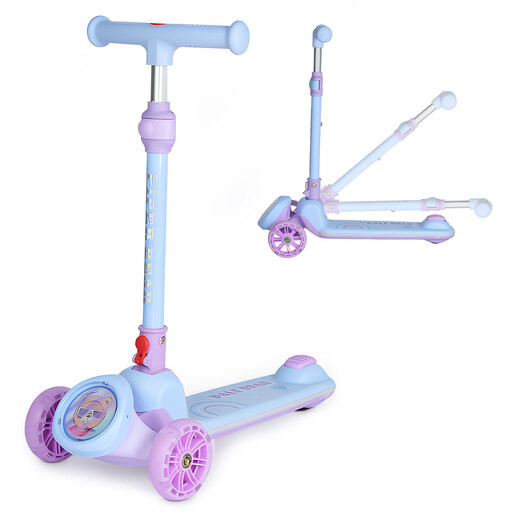
Why This Model Stands Out For children who already have some balance, this kids' scooter is a perfect choice. The three wheels provide stability, while the 'lean-to-steer' mechanism promotes coordination. The scooter with light-up wheels makes playing outside extra appealing.
Key Features
Who It's For For children (3-10 years) looking for a fun and active way to play outdoors. It's a logical next step after a balance bike or for kids who want a more active challenge right away.
If a balance bike isn't quite what you're looking for, or if you need more birthday inspiration, there are countless options that combine fun and development, whether you're shopping for a boy or a girl. For example, take a look at our selection of gifts for girls for more inspiration.
Generally, a balance bike is suitable for children from around 18 months to 2 years old. The most important criterion is not age, but the child's height. The child must be able to place their feet flat on the ground while sitting on the saddle. Therefore, always check the minimum saddle height of the model.
A balance bike has two wheels and no pedals. Its purpose is to teach the child to balance. A tricycle has three wheels for stability and is often equipped with pedals, focusing on learning to pedal and steer. A tricycle is typically suitable for a younger age.
While laws vary by region, wearing a helmet is not always legally required for balance bikes. However, for the child's safety, wearing a helmet is strongly recommended by virtually all manufacturers and safety organisations. Falling is part of the learning process, and a helmet provides crucial protection.
