
Vandaag of morgen in huis

Kwaliteit gegarandeerd

Welkomstaanbiedingen ontgrendelen: GRATIS bezorging | Tot 80% korting | Gratis 30 dagen JoyPlus-proefperiode
Download de app
Choosing your child's first "bike" is a special moment. You can already picture it: your toddler confidently zipping through the park. A balance bike is a popular first step. It helps children develop their balance and coordination in a playful way, making the transition to a pedal bike much easier later on.
But with so many options available, which model is right for your child? In this article, we'll provide practical tips and highlight some popular choices for 2026 to help you make an informed decision.
Before you make a choice, there are a few key points to consider. These will help you find the right pedal-less bike that suits your child's age and developmental stage.
A well-fitting balance bike is essential for safety and enjoyment. The most important rule is that your child should be able to stand with both feet flat on the ground while seated, with their knees slightly bent.
Balance bikes come in various materials, which directly impacts their weight and durability.
The tires determine the ride comfort and maintenance requirements. Additionally, some models offer extra versatility.
Based on product specifications and functionality, we have selected a few models that are well worth considering.
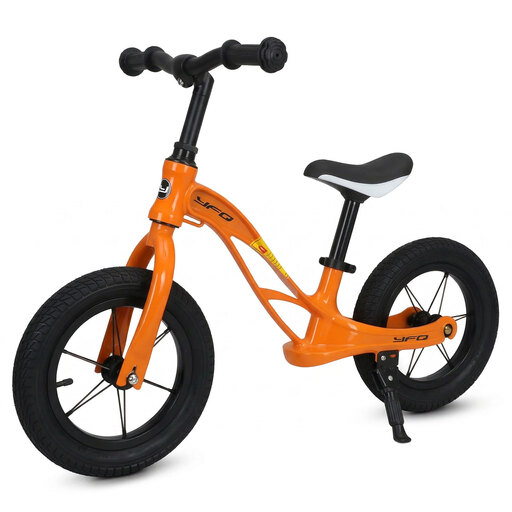
Why This Model Stands Out This is a classic, no-nonsense balance bike that focuses on the core function: learning to balance. Its light weight makes it easy for children aged 3 and up to control. The puncture-proof tires give parents peace of mind: you'll never have to worry about a flat.
Pros
Who Is It For? For parents seeking a simple and reliable first bike for their child aged 3 to 6. It's an excellent model for mastering the fundamentals of balance.
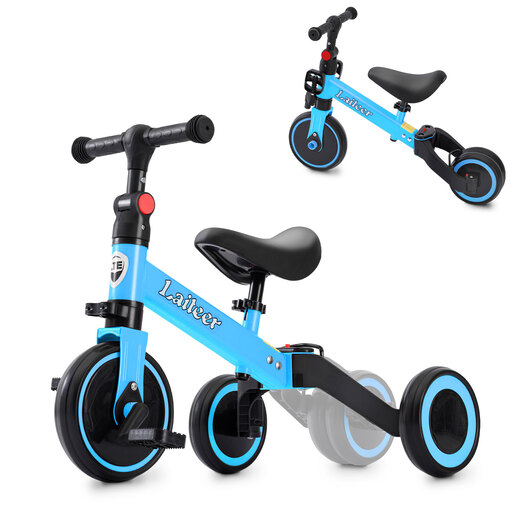
Why This Model Stands Out The versatility of this 3-in-1 model makes it a smart long-term choice. It starts as a stable tricycle for the youngest riders and can be easily converted into a balance bike. The detachable pedals even make it a precursor to a real bicycle. This is an ideal gift for a child who will go through multiple developmental stages.
Pros
Who Is It For? For parents looking for an all-in-one solution that grows with their child, from their first steps to their first pedal strokes.

Why This Model Stands Out This toddler balance bike combines ease of use with durability. A key feature is that both the saddle and handlebars are height-adjustable, ensuring an optimal fit for several years. According to the manufacturer, the bike comes 85% pre-assembled, making final assembly quick and easy.
Pros
Who Is It For? For parents of children between 2 and 6 years old who want a robust and highly adjustable first bike that requires minimal assembly.
If none of these models are quite what you had in mind, or if you're curious about other colors and styles, more options are available to suit your preferences and your child's needs.
Check out our full range and discover more choices in the Bikes with Saddles category.
Most children can start on a balance bike from around 18 months to 2 years old. The most important thing is that they can walk steadily and reach the ground with their feet. There are special models for the youngest riders, such as a 3-in-1 bike that starts as a tricycle.
While not legally required, it is strongly recommended that your child always wears a helmet. Even on a balance bike, they can pick up speed and fall. Safety comes first. The product information for most bikes also advises the use of protective gear.
A balance bike teaches a child the most crucial aspect of cycling right away: maintaining balance. Children who learn to ride with training wheels still have to learn how to balance later. With a balance bike, that skill is already developed, often making the transition to a pedal bike much smoother.
