
Vandaag of morgen in huis

Kwaliteit gegarandeerd

Welkomstaanbiedingen ontgrendelen: GRATIS bezorging | Tot 80% korting | Gratis 30 dagen JoyPlus-proefperiode
Download de app
Taking those first rides on their very own bike is a milestone for both child and parent. A balance bike for a 2-year-old is often the first step into the world of cycling. It helps your child develop balance and coordination, making the transition to a pedal bike significantly easier later on. But with an overwhelming number of options, making the right choice can be difficult. Which model is right for your child? What should you look for in terms of safety and durability?
As a Joybuy Product Recommendation Officer, I'm here to guide you. In this article, I'll provide practical tips and present a selection of popular choices based on the product specifications that truly matter. This will help you make an informed decision for your child's first bike without pedals.
Before we dive into the products, here are a few key points to keep in mind. These will help you better evaluate the specifications of a balance bike.
Children grow quickly, especially at this age. An adjustable balance bike is therefore a smart investment. Look for a seat and handlebars that can be adjusted in height. A bike that grows with your child can serve not only as a balance bike for a 2-year-old but also as a balance bike for a 3-year-old or even longer. The ideal seat height is set so that your child can stand with both feet flat on the ground, with their knees slightly bent.
A lightweight balance bike is much easier for a toddler to handle, lift, and steer. This builds confidence and makes riding more enjoyable. Magnesium alloy frames are often extremely light, while steel frames are known for their robustness. Also, consider the tyres. Many modern balance bikes feature puncture-proof tyres made of EVA foam. These are maintenance-free and can't go flat, which is one less thing to worry about during outdoor play.
Safety comes first. Check that the bike has no sharp edges and that the handlebar grips have protective ends to shield little hands during a fall. Wheel size is also a factor. A 12-inch balance bike is a common size for toddlers and preschoolers, suitable for children from around 85 cm tall. Measure your child's inseam to ensure the lowest seat setting will fit.
Below is a selection of products that are popular with parents. We've highlighted the key features to help you make your choice.
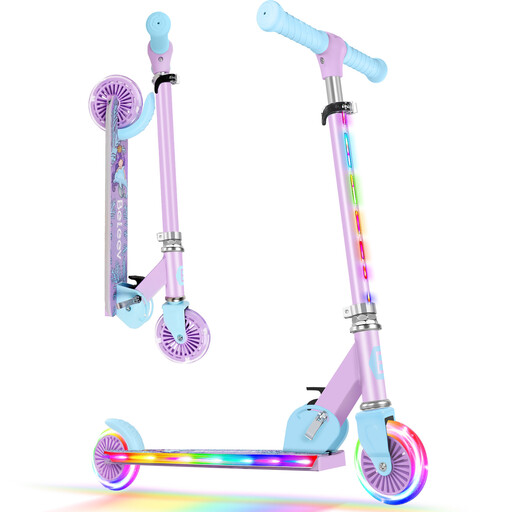
Although this is technically a scooter and not a balance bike, it's an interesting option for children seeking a different kind of balance challenge. The 'lean-to-steer' mechanism, where children steer by shifting their weight, also helps develop motor skills.
Why it stands out: The light-up LED wheels and deck make this scooter visually appealing to children. The wheels are motion-activated, requiring no batteries.
Key Features:
Who is it for? For children aged 3 and up who love lights and prefer a scooter over a bike. It's a fun way to practice balance and coordination, but in a different way than a traditional balance bike.
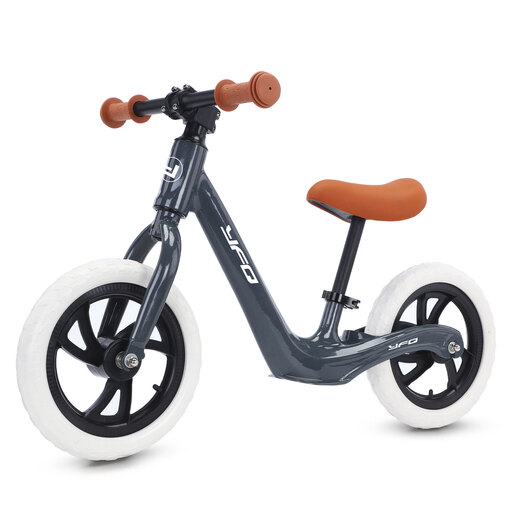
This model is a classic balance bike designed to help children master the fundamentals of cycling. The design focuses on the essentials: learning to keep your balance by pushing off with your feet.
Why it stands out: This bike combines all the essential features of a great starter bike: adjustability, puncture-proof tyres, and a lightweight frame. It's a solid, functional choice.
Key Features:
Who is it for? Parents looking for a reliable and functional first bike without pedals. An excellent gift for a toddler that will last for years.
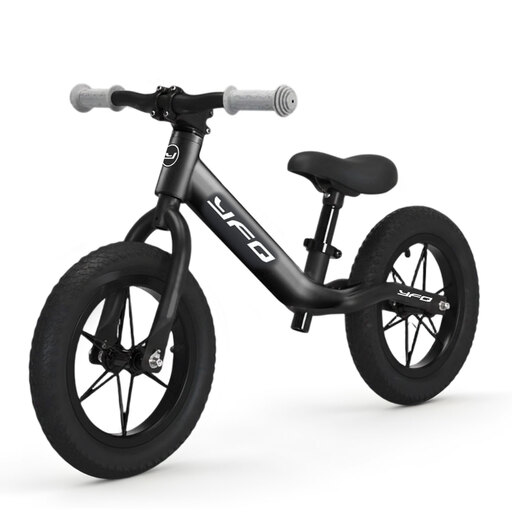
This lightweight balance bike features an ultra-light design, which can be a major advantage for the youngest riders. The frame is made from a single piece of magnesium alloy, making it both strong and exceptionally light.
Why it stands out: According to the manufacturer, the frame weighs just 0.65 kg. This makes it incredibly easy for a toddler to pick up and manoeuvre the bike themselves, giving their confidence a boost.
Key Features:
Who is it for? Ideal for the youngest beginners or for children with a smaller build. It's also a practical choice for parents who often need to carry the bike, for instance, at the park or on the way to daycare.
Every child is different, and the perfect choice depends on personal preferences and needs. The selection above provides a good overview of what's available, but there's much more to explore. Curious about other models or different outdoor toys?
? Check out our full range of toys for boys and children for more options.
1. From what age is a balance bike suitable? Most children can start on a balance bike between 18 months and 2 years of age. More important than age are physical development and inseam measurement. Your child should be able to stand with both feet flat on the ground while sitting on the saddle.
2. What is the main advantage of a balance bike? A balance bike teaches a child the most crucial part of cycling: maintaining balance. Because they don't have to pedal at the same time, they can fully concentrate on steering and balancing. This makes the transition to a pedal bike—often without training wheels—much smoother.
