
Vandaag of morgen in huis

Kwaliteit gegarandeerd

Welkomstaanbiedingen ontgrendelen: GRATIS bezorging | Tot 80% korting | Gratis 30 dagen JoyPlus-proefperiode
Download de app
A bakuchiol serum might seem like a simple choice at first: search for a “natural retinol alternative”, pick a pretty bottle and add it to your routine. But formulas can vary considerably. Some products contain retinol, fragrance or drying alcohol as well as bakuchiol. Others mention a botanical ingredient but give little information about its concentration or how to use it.
For adults aged around 30 and over, bakuchiol skincare may be worth considering if your skin looks dull, has fine lines or feels less firm. If you’re looking for an anti-wrinkle serum or a serum for sensitive skin, it’s worth looking beyond the front of the packaging.
The word “bakuchiol” may appear alongside retinol or retinal on the ingredients list. This is the case with some Korean skincare products, for example. A formula containing both ingredients is not the same as a natural retinol alternative without vitamin A.
So check the full INCI list. Look for “Retinol” and “Retinal” as well as “Bakuchiol”. Products containing retinol or retinal may come with additional advice, such as introducing them gradually, using sun protection during the day and seeking medical advice during pregnancy or breastfeeding.
Brands may quote percentages for less visible wrinkles, improved elasticity or a “lifting effect”. For example, Freshly Cosmetics cites certain improvements in the appearance of wrinkles and skin firmness based on its own research. These figures relate to the brand’s test or claim and don’t automatically reflect the results every user will experience.
So look for information you can check, too:
A bakuchiol serum generally doesn’t contain SPF. Even if the packaging says you can use a product during the day, it’s sensible to apply a separate sunscreen. One exception in this selection is a day cream with SPF 30; check that you apply enough and that the protection is suitable for your time in the sun.
If you’re looking for a gentler routine, you could choose a formula where bakuchiol is the main active ingredient and retinol or retinal aren’t listed. For example, Purito SEOUL lists 10,000 ppm bakuchiol in its ingredients. EQQUALBERRY lists 5,000 ppm. A higher stated concentration doesn’t, by itself, tell you everything about how a product feels on the skin or whether it’s right for you, but it does make it easier to compare products.
A retinol serum or a product combining both ingredients may suit someone who wants to use vitamin A. If so, introduce it gradually and follow the warnings on the packaging.
If you have dry or sensitive skin, hydrating ingredients that support the skin barrier can be useful. Look for:
Fragrance and denatured alcohol aren’t a problem for everyone, but they may feel less comfortable on sensitive skin. It’s still sensible to patch test on a small area of skin.
A lightweight serum is handy under day cream or make-up. A richer cream may suit dry skin better or work well as the final step in your evening routine. A bakuchiol eye cream is specifically designed for the delicate skin around the eyes; don’t automatically apply a face serum close to your eyes unless the packaging says to.
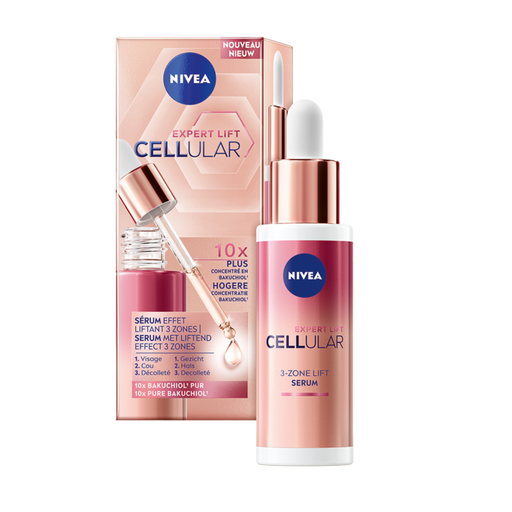
Why it suits this profile: The 30 ml size and application to the face, neck and décolletage make this a straightforward first choice if you’re looking for a daily anti-ageing serum.
The ingredients list includes bakuchiol and sodium hyaluronate. However, be aware that it also contains alcohol denat. and fragrance if your skin is sensitive to them.
30 ml, bakuchiol as a stated active ingredient, and product information recommends using it in the morning and evening.
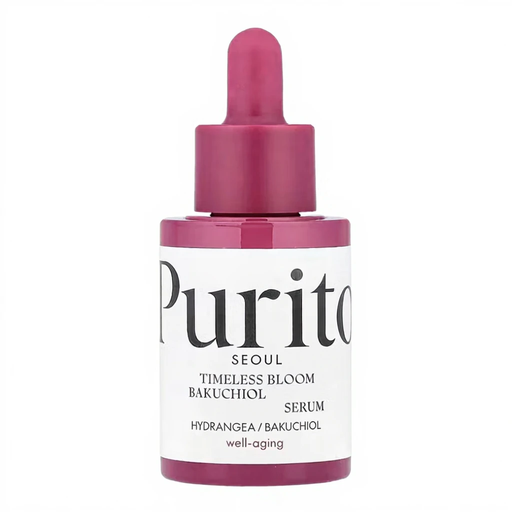
Why it suits this profile: Fans of Korean skincare get a targeted formula with a clearly stated bakuchiol concentration and a texture designed for everyday use.
The product information lists 10,000 ppm bakuchiol and no retinol or retinal in the ingredients provided. Always check the packaging when it arrives.
30 ml, and described as suitable for dry, oily, combination and sensitive skin.
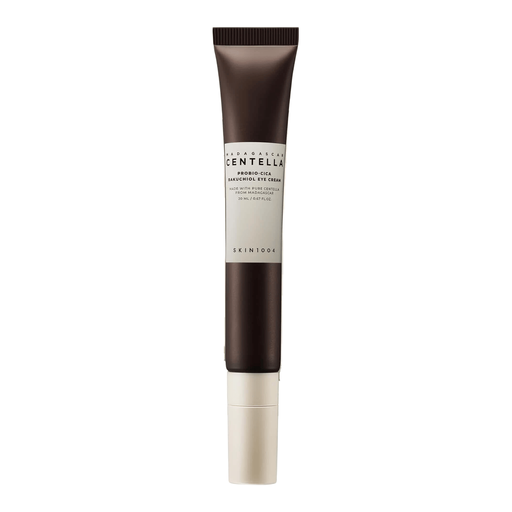
Why it suits this profile: This isn’t a general face serum, but a separate eye cream for anyone mainly looking to care for the skin around the eyes.
It’s specifically designed for use around the eyes, and the formula includes bakuchiol, centella, panthenol and ceramide NP, among other ingredients. Avoid direct contact with the eyes.
20 ml, a soft silicone applicator according to the product description, and recommended for use in the morning and evening.
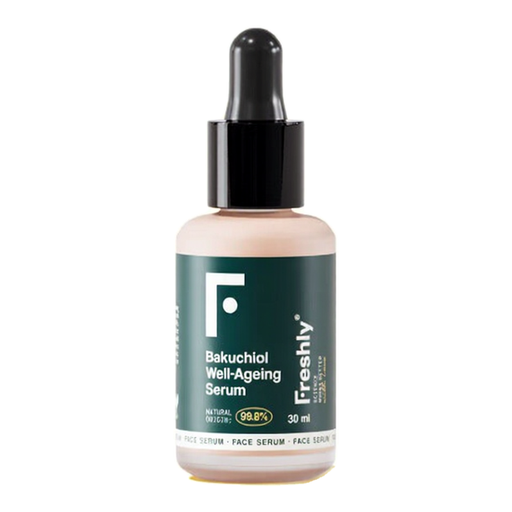
Why it suits this profile: The product information says the serum is retinol-free and suitable for use in the morning and evening.
The product page explicitly states “free from retinol”. Freshly Cosmetics says the product is suitable during pregnancy; if you’re unsure, discuss your skincare routine with a midwife or doctor.
30 ml, a lightweight texture according to the product description, and dermatologically tested according to the manufacturer.
Don’t introduce several new active products at the same time. This makes it easier to tell which products feel comfortable and which may be irritating your skin.
We’ve put together a full, up-to-date list of products that meet these strict selection criteria and the current European safety regulations.
No. Bakuchiol is a plant-based ingredient, while retinol is a vitamin A derivative. Products may contain one or the other, or combine both. So check the ingredients list rather than relying on the product name alone.
Check the expiry date and the period-after-opening symbol on the packaging. Store the serum somewhere cool and dry, away from direct sunlight. Close a dropper bottle or pump bottle securely after use. Shelf life may vary depending on the formula and packaging.
It depends on the product and your individual circumstances. Some manufacturers, such as Freshly Cosmetics, say their products are suitable during pregnancy. Other products contain retinol or retinal and carry a warning. Always check the current packaging and, if you’re pregnant, breastfeeding or unsure, ask a midwife or doctor for advice.
