
Vandaag of morgen in huis

Kwaliteit gegarandeerd

Welkomstaanbiedingen ontgrendelen: GRATIS bezorging | Tot 80% korting | Gratis 30 dagen JoyPlus-proefperiode
Download de app
A new baking tin may seem like a simple purchase, until a cake sticks, a baking tray does not fit in your oven or a non-stick coating becomes damaged quickly. For home bakers and families, choosing the right tin is about more than just colour or appearance. Dimensions, material, oven use and care are the main factors that determine whether a baking tin remains easy and enjoyable to use.
Bear these common pitfalls in mind when comparing baking tins:
The shape partly determines the baking time and the result. A deep cake tin holds more mixture than a shallow tart tin. A baking tray is useful for biscuits, vegetables and traybakes, while a pizza tray often has a low rim and a round shape.
A rectangular cake tin is suitable for cakes, banana bread and smaller loaves. Check the internal dimensions and capacity. For example, a tin measuring approximately 30 x 11 cm is suitable for a compact cake or loaf. A steel baking tin generally heats differently from a silicone baking tin. Always follow the recipe and start checking your bake from the stated baking time.
A muffin tin with several wells is practical when you want to bake several portions at once. Check how many muffins it holds and whether the wells are large enough for your paper cases. A 12-cup muffin tin is handy for birthdays, treats and a family baking session.
For quiches, tarts and pizzas, the diameter and rim height are important. A tart tin with a removable base can make releasing the bake easier. According to the manufacturer’s product description, a perforated base may be designed to create a crispier base, although the final result also depends on the dough, oven setting and baking time.
Ramekins are small oven dishes for individual desserts, soufflés, quiches and dips. An oven dish is more suitable for lasagne, baked dishes and larger portions. Ceramic and porcelain retain heat for longer, but require care to avoid thermal shock. Do not place a cold dish straight into a very hot oven, and do not put a hot dish on a cold or wet surface.
Steel and metal baking tins are sturdy and suitable for many everyday bakes. A non-stick coating can make releasing food easier, but handle the tin with care. Ideally, use wooden, silicone or plastic utensils, and wash the tin by hand if this is what the manufacturer recommends.
A silicone baking tin is flexible and takes up relatively little storage space. A sturdy frame is useful for large or heavy tins, as it makes transferring them to the oven easier. Always check the stated usage limits and whether the tin is suitable for an oven, microwave and dishwasher. Not every silicone tin has the same specifications.
Ceramic ramekins and oven dishes are suitable for serving at the table and can be a practical choice for desserts or baked dishes. Check whether they are dishwasher-, freezer- and microwave-safe. Do not use ceramic on a gas or induction hob unless this is expressly stated.
Aluminium cake cups and foil oven dishes are useful for parties, transporting food or portioning. They reduce washing-up, but are less suitable if you want to use the same baking tin for many years. Also check whether the product description states that it is suitable for a microwave, freezer and oven, as these properties vary by model.
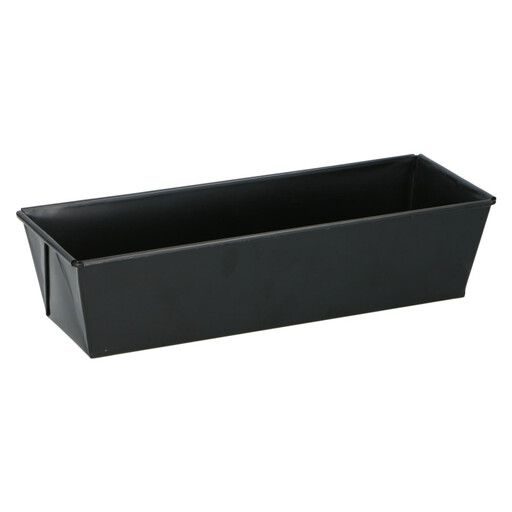
Why it suits this profile: This rectangular cake tin has a practical size of approximately 30 x 11 x 7 cm and is designed for cakes, bread and other baked dishes. The non-stick coating can make releasing food easier for beginners.
The product information states that it has a metal/steel construction, a non-stick coating and is easy to clean. Wash the tin carefully by hand to protect the coating.
Compact size; suitable for cakes and bread; product weight approximately 0.29 kg.
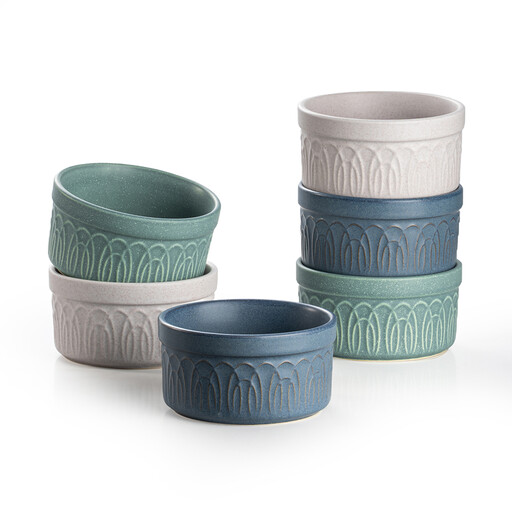
Why it suits this profile: If you serve individual desserts or small baked dishes, you get six porcelain ramekins with a capacity of 8 oz, or approximately 237 ml each.
The description states that the ramekins are suitable for use in the oven, freezer and microwave, as well as in the dishwasher. However, avoid sudden temperature changes and open flames.
Set of 6; smoothly glazed porcelain; suitable for crème brûlée, soufflés, quiches and dips.
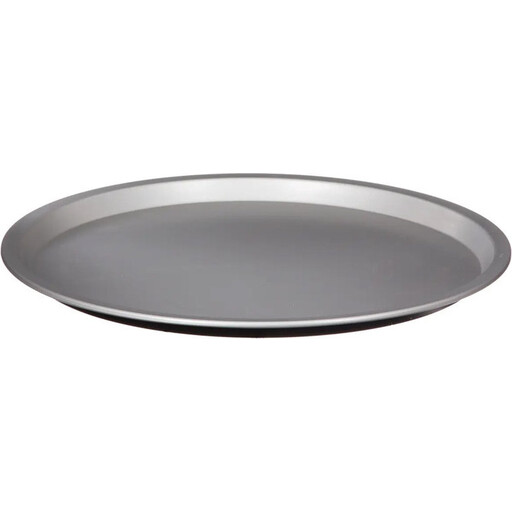
Why it suits this profile: For homemade pizza enthusiasts, this 32 cm round metal pizza tray is designed for one specific type of bake and a straightforward process.
The diameter is clearly stated, and the ILAG non-stick coating is listed in the product information. The tray is not dishwasher-safe; hand washing is recommended.
Diameter 32 cm; metal construction; non-stick coating; weight approximately 350 g.
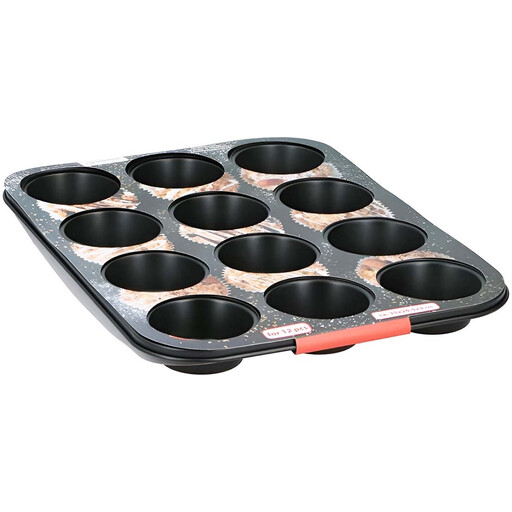
Why it suits this profile: With 12 wells, this muffin tin is suitable for treats, entertaining or a family baking session. At approximately 35 x 27 cm, its size is easy to compare with your oven space before buying.
The number of wells and the outer dimensions are clearly stated. Before buying, however, check the current material information, as the description mentions both steel and plastic.
12 muffins at once; approximately 35 x 27 cm; designed for regular household use.
We have put together a complete, up-to-date list of products that fully meet these strict selection criteria and the applicable European safety regulations.
A simple cake tin or muffin tin with clearly stated dimensions is a practical choice. A non-stick coating can help with releasing food, but proper care is still important. Grease the tin as instructed in the recipe, where recommended, and do not use metal utensils.
Its lifespan depends on the material, how often it is used and how well it is cared for. A coated metal tin can remain usable for longer if you avoid the dishwasher, abrasive cleaning products and sharp kitchen tools. Ceramic tins can last for many years, but are more susceptible to knocks and sudden temperature changes.
This varies by product. According to the product description, some ceramic ramekins and silicone tins are dishwasher-safe. Many metal baking tins with a non-stick coating, including certain tart tins and pizza trays, are intended to be washed by hand. Always check the product page before making a purchase.
