
Bakers looking for a dark chocolate coating
If you want to dip baked kruidnoten, look for dark chocolate with a stated cocoa percentage. The Albert Heijn Allerhande recipe lets the kruidnoten cool before dipping.


Choose dark chocolate with a stated cocoa percentage if you want to coat your baked kruidnoten in dark chocolate. In the Albert Heijn Allerhande recipe, the kruidnoten are left to cool before being dipped. Choose a chocolate biscuit if you want to add crunchy biscuit pieces, not as a substitute for melted chocolate. For packaged products, check the ingredients and allergen information on the current packaging.
If you want to dip baked kruidnoten, look for dark chocolate with a stated cocoa percentage. The Albert Heijn Allerhande recipe lets the kruidnoten cool before dipping.
For a dessert, base or baking mix with a biscuit texture, consider a biscuit with chocolate pieces. Check that the product suits how you plan to use the pieces.
If you’re buying for someone with an allergy, check the ingredients and allergen information on the current packaging. The Netherlands Food and Consumer Product Safety Authority highlights the allergen information on labels; a product name won’t tell you which allergens it contains.
First decide whether you want a chocolate coating or biscuit pieces. Then compare the cocoa percentage and ingredients of products suited to that role in your baking.
Choose this if: you want to dip cooled kruidnoten and a stated cocoa percentage matters to you. Albert Heijn Allerhande uses 72% dark chocolate for this.
Bear in mind: a chocolate coating won’t add a biscuit texture, and the cocoa percentage alone doesn’t determine how sweet the whole recipe will be.
Choose these if: you want to add crumbled biscuit or crunchy pieces. Jumbo describes its Chocolate Cookies met Stukjes Pure Chocolade as a crisp biscuit.
Bear in mind: a biscuit won’t create a smooth coating when melted; the proportion of chocolate pieces is also different from the cocoa percentage of that chocolate.
Choose these if: you mainly want to add crumbled biscuits with a speculoos flavour.
Bear in mind: the ingredients list for Lotus Biscoff Original does not include a cocoa ingredient. This option therefore won’t meet a requirement for a clearly stated high cocoa content.
| What to consider | What to check before buying | Who it matters to |
|---|---|---|
| Cocoa content | Look for an explicit cocoa percentage on the chocolate you choose; don’t infer it from the words ‘dark’ or ‘dark chocolate’. | If I want a pronounced dark cocoa flavour, I look for a percentage I can check on the packaging. This is the top priority for around 33% of consumers. |
| Role in baking and texture | Check whether you want to melt the product and add it after baking, or use it as biscuit pieces. | I need something different for a smooth finish than I do for a base with a crunchy biscuit texture. For around 27% of consumers, this is the first thing they consider. |
| Ingredients and allergens | Read the current ingredients list, allergen information and any warning about the possible presence of allergens. | If I’m baking for someone with an allergy, I want to be able to check the chosen product on the label. This is the top priority for around 27% of consumers. |
| Availability and cocoa sourcing | Check whether the option you want is available and what any claim about cocoa sourcing refers to. | When several options suit my baking plan, I want to know which ones I can get and exactly what a cocoa sourcing claim covers. This matters most to around 13% of consumers. |
A biscuit adds texture, whereas the Albert Heijn Allerhande kruidnoten recipe uses melted dark chocolate to coat the cooled kruidnoten.
Before buying, decide whether you want to add a chocolate coating or biscuit pieces.
For its Chocolate Cookies, Jumbo states the proportion of dark chocolate pieces in the biscuit. That percentage doesn’t tell you how much cocoa the chocolate pieces contain.
If you want to use the cocoa percentage as a way to choose, check that it’s stated on the chocolate product you’re considering.
Even a dark chocolate biscuit may contain ingredients or carry warnings that are relevant to someone with an allergy.
Check the current packaging before buying. The Netherlands Food and Consumer Product Safety Authority emphasises that allergens must be clearly listed on the label.
According to the Netherlands Nutrition Centre, raw flour and raw egg in dough can contain harmful bacteria.
Make sure the dough is fully baked before eating it, and wash your hands after handling raw dough.
A recipe option for homemade kruidnoten with a dark chocolate coating.
A product example for anyone looking for a biscuit texture and chocolate pieces.
A speculoos option for adding crumbled biscuit with a spiced flavour.
A retailer option for anyone who wants to take cocoa sourcing into account.
A retailer option with separate examples of dark chocolate and chocolate biscuits.
These Joybuy products are chocolate options for baking or finishing kruidnoten: chocolate chips to use in baking and a dark chocolate bar with a stated cocoa percentage. If you’re planning to make a chocolate coating, check that your chosen product is suitable for melting.
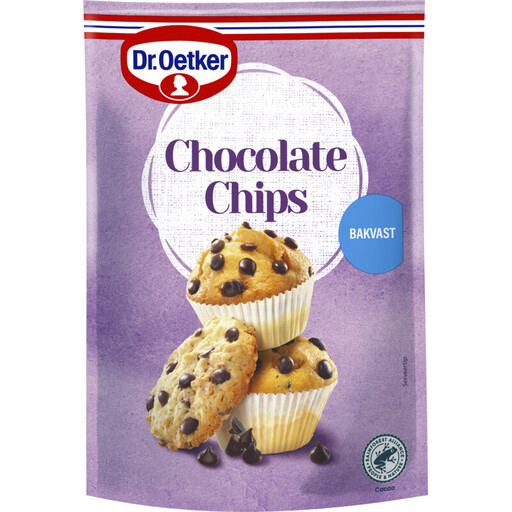 Image unavailable
For anyone who wants to add chocolate pieces to a bake. If you’re looking for a clearly stated high cocoa content or a chocolate coating, check the label and instructions for your intended use. According to the product information, this option contains soya and may contain milk; if you have an allergy, read the current packaging.
 Image unavailable
For anyone who prioritises a stated cocoa percentage when choosing dark chocolate. Before buying, check whether this bar is suitable for the finish you want to create. According to the product information, it may contain hazelnuts, other nuts, milk and soya; if you have an allergy, read the current packaging.
Not in the same way as with melted chocolate. The Albert Heijn Allerhande recipe leaves the baked kruidnoten to cool, then dips them in melted 72% dark chocolate; biscuits are better used as a crumbled topping or addition.
Look for an explicit cocoa percentage on the packaging of the chocolate you choose. Albert Heijn Allerhande uses 72% dark chocolate in its kruidnoten recipe, and ALDI lists a Moser Roth option with 70% cocoa. The word ‘dark’ on a biscuit doesn’t tell you the cocoa percentage of the chocolate it contains.
Check the current ingredients list, highlighted allergens and any warnings about the possible presence of allergens. The Netherlands Food and Consumer Product Safety Authority explains that 14 allergens must be listed on the labels of pre-packed foods. Don’t rely on the product name or packaging you bought previously.
It’s best to wait until the dough is fully baked before tasting it. According to the Netherlands Nutrition Centre, raw flour and raw egg can contain harmful bacteria that are killed during baking.