
Regular hosts at home
You regularly serve peanuts with drinks and nibbles, and want a quantity that suits how often you serve them.


If you eat peanuts regularly, a larger pack may suit you. If you only serve them occasionally, a smaller bag makes more sense as you’ll have less to open. Then choose salted or unsalted to suit your taste, and check the label, allergen information and storage advice for the specific pack.
You regularly serve peanuts with drinks and nibbles, and want a quantity that suits how often you serve them.
You buy peanuts for guests who visit now and then, and want to think about how much you’ll use and how to store an opened pack.
You want peanuts for drinks and snacks between meals, so you’re considering salted or unsalted varieties and checking the label information.
First, choose a quantity that suits how often you eat peanuts and how you can store them. Then decide which type you’d like to serve and what information you need to share them safely.
| What to consider | What should you look for? | Who is this important for? |
|---|---|---|
| Quantity and how often you eat them | Compare the net weight of the exact pack; don’t rely on terms such as ‘value’ or ‘XXL’ alone. | If I regularly have drinks and nibbles, I want a quantity that suits how often I serve peanuts. Around 25% of consumers give the amount in relation to their own consumption top priority. |
| Storage after opening | Check the best-before date and consider whether you can seal the opened pack properly. | If I only serve peanuts occasionally, I want to know how to store an opened pack properly. Around 25% of consumers put how well a product keeps first when choosing. |
| Taste and salt preference | Choose salted or unsalted, and check the ingredients and nutritional information for the specific variety. | If I want to eat peanuts outside drinks and nibbles occasions too, I pay extra attention to the salt content and the label. Around 25% of consumers say taste and salt preference are their main considerations. |
| Sharing safely | Read the allergen information and warnings on the pack; unsalted does not mean allergen-free. | If there are guests with a peanut allergy or young children, I want to check the pack and its warnings in advance. Around 25% of consumers give sharing safely top priority. |
The pack size alone doesn’t tell you whether it suits how often you serve peanuts. A larger supply can be impractical if you only have drinks and nibbles occasionally.
Compare the net weight of the same type of peanuts and choose an amount that suits how often you eat them.
Unsalted peanuts still contain peanuts. The Netherlands Food and Consumer Product Safety Authority lists peanuts as an allergen and states that allergen information for pre-packed products appears on the label.
Read the ingredients and allergen information on the specific pack before sharing the peanuts.
According to the Netherlands Nutrition Centre, peanuts can absorb odours and are susceptible to mould. The organisation lists rancidity, a tough texture and mould as possible signs of spoilage.
Store unsalted peanuts in a tightly sealed container in a cool, dark, dry place, and follow the instructions on your product’s label.
If you don’t store an opened pack properly, its quality may deteriorate and you may need to throw it away.
Jumbo warns that young children can choke on peanuts. The product information for Duyvis 370 g includes a warning for children under 5 years old.
Take the warning on the pack into account and keep whole peanuts out of reach of young children.
Duyvis lists salted peanuts in 60 g, 100 g, 235 g and 370 g packs.
Albert Heijn lists salted peanuts under its AH own-brand range.
Jumbo lists salted peanuts in 250 g and 500 g packs.
Lidl lists 285 g packs of unsalted peanuts, marked ‘in store only’.
Aldi lists TRADER JOE’S roasted and salted peanuts in a 500 g pack.
PLUS lists 500 g packs of salted and unsalted peanuts, as well as 250 g packs of unsalted peanuts.
The selection ranges from salted peanuts for drinks and nibbles to boiled peanuts and varieties still in their shells. Check the product type, ingredients, allergen information and storage instructions for each pack.
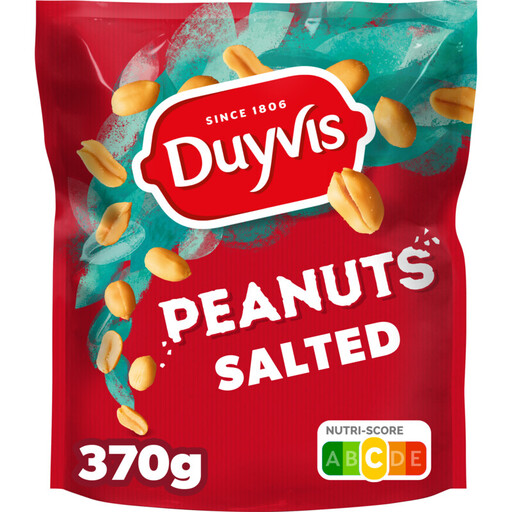 Image unavailable
The 370 g salted variety is an option if you’d like to serve this flavour with drinks and nibbles.
The ingredients are peanuts, sunflower oil and salt. The product information advises against giving this product to children under 5 years old due to the risk of choking, and states that it may contain other nuts.
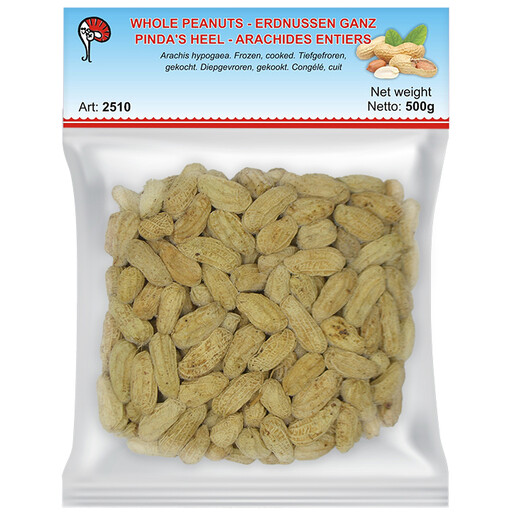 Image unavailable
These boiled peanuts are different from dry peanuts served with drinks and need to be kept frozen.
Keep frozen; once defrosted, store in the fridge and use within the stated period. Do not refreeze. The product information lists peanuts, but also includes a contradictory allergen claim. Don’t rely on that claim to assess whether the product is suitable for someone with a peanut allergy; check the packaging.
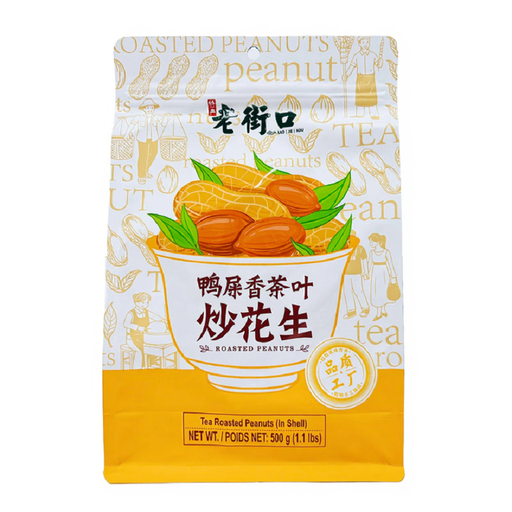 Image unavailable
A seasoned variety for anyone looking for roasted peanuts with salt and a tea flavour.
The peanuts are in their shells, so you’ll need to shell them before eating.
 Image unavailable
This 500 g pack contains peanuts in their shells, so bear in mind that they’ll need shelling before serving.
The product information lists peanuts as an ingredient and recommends storing the product in a cool, dry place.
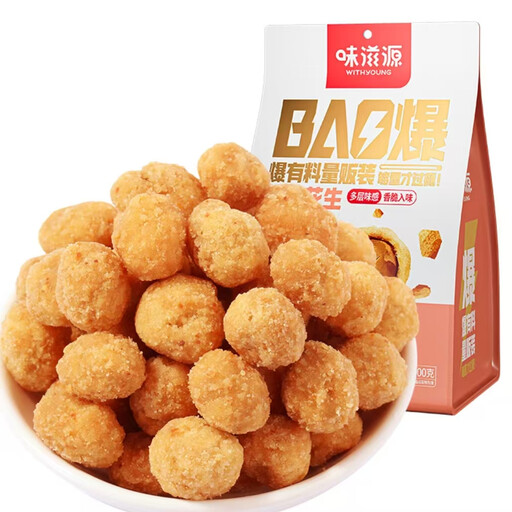 Image unavailable
This seasoned snack has a crunchy coating and, according to the product information, is ready to eat straight from the pack.
Peanuts make up 33% of the product. The ingredients list includes wheat flour, salt and chilli powder, among other ingredients; the product information lists peanuts and wheat (gluten). Always check the pack label for allergen information.
Match the net weight to how often you serve peanuts and how you’ll store an opened pack. A smaller bag is more suitable for occasional use; if you regularly have drinks and nibbles, you could consider a larger quantity.
The Netherlands Nutrition Centre recommends storing unsalted peanuts in a tightly sealed container in a cool, dark, dry place. Peanuts can absorb odours and are susceptible to mould. Follow the instructions on your pack too, and don’t eat mouldy peanuts.
No, the best-before date isn’t automatically a cut-off point for throwing them away. According to the Netherlands Nutrition Centre, you can check whether unsalted peanuts are still good after that date, provided the packaging is intact. Follow the label and don’t eat mouldy peanuts.
No, bear in mind the risk of choking. Jumbo warns that young children can choke on peanuts; the product information for Duyvis 370 g advises against giving the product to children under 5 years old due to the risk of choking. This warning applies to that particular variety.
Check the ingredients and allergen information on the pack for the specific variety. The Netherlands Food and Consumer Product Safety Authority states that allergen information for pre-packed products appears on the label and lists peanuts as an allergen. So unsalted peanuts aren’t automatically suitable for someone with a peanut allergy.