
Vandaag of morgen in huis

Kwaliteit gegarandeerd

Welkomstaanbiedingen ontgrendelen: GRATIS bezorging | Tot 80% korting | Gratis 30 dagen JoyPlus-proefperiode
Download de app
A bag for hiking, travel or everyday use may seem easy to choose. Yet many disappointing purchases are caused by features that appear more impressive on product pages than they are in practice. For example, a lightweight backpack may offer little structure, while a spacious backpack can become uncomfortable once it is full. “Water-repellent” also does not automatically mean that your belongings will stay dry for a long time during heavy rain.
With this guide, you can compare backpacks and bags for outdoor activities and travel by capacity, carrying comfort, material and intended use. This makes it easier to choose the right option for commuting, hiking, trail running, camping or motorcycling.
A capacity of 30, 45 or 50 litres tells you something about the available space, but not how it is organised. A large main compartment without smaller sections can be inconvenient for keys, documents, snacks or a phone. So also check:
For a short walk, a lightweight backpack of 10 to 20 litres may be sufficient. For a multi-day trip, a walking or hiking backpack of 40 to 50 litres makes more sense, especially if you are carrying clothing, cooking equipment and sleeping gear.
A coating that repels rain and splashes does not offer the same protection as a fully sealed construction. Read the product description carefully and look for specific information about:
For a dry bag or motorcycle luggage, a roll-top closure is generally more relevant than a water-repellent outer layer alone. Even a bag described as waterproof should not be submerged for long periods unless this is explicitly stated.
Thin shoulder straps and a poorly fitting back panel can quickly become uncomfortable when carrying a heavy load. For a hiking backpack, a chest strap, hip belt and adjustable back panel are practical features. With a trail-running backpack, a stable, close-fitting design is particularly important to limit movement and bouncing.
Also consider the bag’s own weight. A 1.35 kg bag with a robust carrying structure may be more suitable for a multi-day trip than an ultralight bag without support. The right compromise depends on your packing list and distance.
Use the following guide as a starting point:
A foldable backpack is useful as a spare for a trip or as an extra bag in your suitcase. Do check whether the lightweight fabric is suitable for the load you intend to carry. For heavy camping equipment, a structured camping bag with a reinforced base is a better choice.
Nylon and polyester are widely used materials for outdoor and sports bags. Product descriptions may mention features such as tear resistance, abrasion resistance or a protective coating. Treat this information as the brand’s product specification and also check the care instructions.
Many models may only be cleaned with a damp cloth. Not every material is suitable for washing machines or tumble dryers. After a wet trip, allow the bag to air-dry completely to help prevent odours and mould. With PVC dry bags, it is advisable to avoid prolonged heat and direct sunlight.
For a larger hiking backpack, it is best to measure your torso length and waist circumference. An adjustable chest strap and hip belt help keep the load stable. Place heavy items close to your back and distribute smaller belongings between the compartments. Do not exceed the stated load capacity, particularly with a foldable backpack or a bag with a lightweight construction.
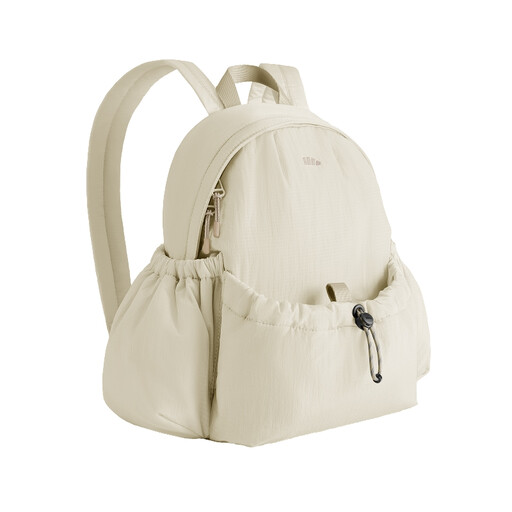
Why it suits this profile: This compact bag is designed for commuting, short trips and light walks. According to the product description, its capacity expands from 10 to 13 litres.
The expandable design means you do not always have to carry a larger, half-empty bag. The product description also mentions protective fabric against wind, rain and stains; this is not a guarantee of long-term waterproofing.
8.3 oz product weight, 10/13-litre capacity, multiple compartments and pressure-relieving shoulder straps according to the product specifications.
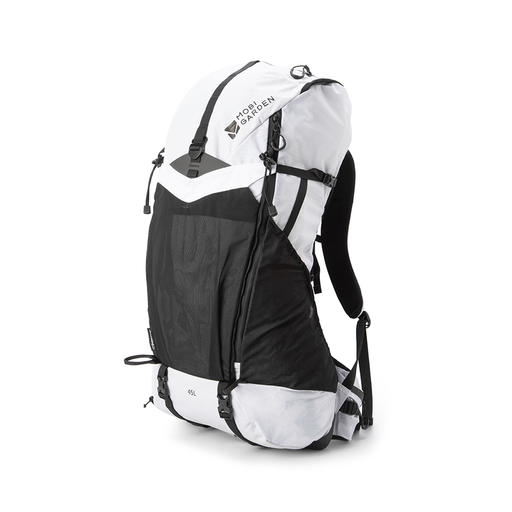
Why it suits this profile: According to the product information, this hiking backpack is designed for backpacking, walking and trekking with a packing list for around two to three days.
The bag combines a 45-litre capacity with a chest strap, hip belt and ventilated 3D back panel. This means you are considering more than just volume, with proper support for a full load too.
Dyneema composite fabric, a weight of approximately 1.35 kg, a separate hydration-bladder compartment and attachment points for walking poles and a sleeping mat.
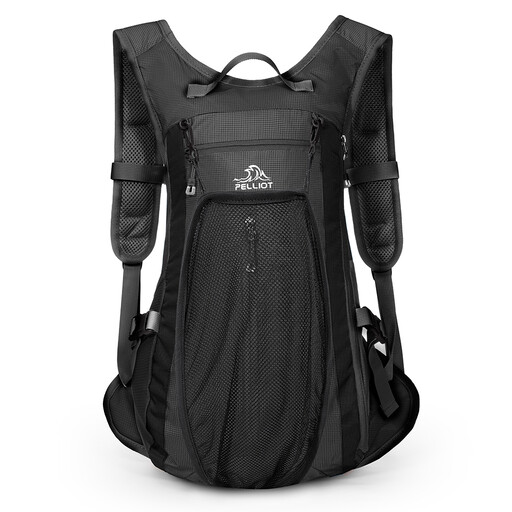
Why it suits this profile: The adjustable fit and multiple quick-access pockets are well suited to trail running, cycling and intensive outdoor activities.
The size guide uses torso length, waist circumference and two fit options. This is more specific than simply describing it as “unisex” or “one size”.
Available capacities of 10–15 or 15–20 litres, hard-wearing grid polyester, breathable mesh and compartments for water bottles, tools and a phone.
For everyday cycling or commuting, a commuter backpack with a separate document or laptop compartment is practical. If you only carry your phone, keys and energy gels, a waist bag is often all you need. According to the product description, the PELLIOT Waist Pack has a main compartment, front pocket and hidden pocket; sizes range from S/M to L/XL.
For sportswear and shoes, a sports bag or gym bag with a spacious main compartment may work better than a narrow backpack. For camping, the Mobi Garden bags are worth considering as an addition: a 110-litre foldable camping bag with wheels is designed for large quantities of equipment, while the 47 × 28.5 × 23 cm organiser can keep cooking equipment separate.
If you are looking for motorcycle luggage, look for attachment straps, reflective details and the closure system. The 86-litre PVC roll-top bag lists four attachment straps and a roll-top design. Before setting off, check that the bag is securely fastened, does not obstruct the brakes or controls and is not loaded beyond the stated limit.
We have put together a complete, up-to-date list of products that fully meet these strict selection criteria and the applicable European safety regulations.
For a short walk, 10 to 20 litres is usually enough. If you are taking extra clothing, food, a waterproof jacket and a camera, 20 to 30 litres may be more practical. For a multi-day trip, you will generally need 40 litres or more, depending on your sleeping and cooking equipment.
Not always. Check whether the bag is merely water-repellent or has a sealed roll-top, waterproof seams and clear protection specifications. For valuable belongings, a separate dry bag or waterproof cover is a sensible extra layer of protection.
Remove sand and mud after use, dry the bag completely and follow the manufacturer’s care instructions. Avoid overloading it, carrying sharp objects without protection and exposing it to heat for long periods. This helps the construction last longer and prevents damage to coatings, zips and buckles.
