
Vandaag of morgen in huis

Kwaliteit gegarandeerd

Welkomstaanbiedingen ontgrendelen: GRATIS bezorging | Tot 80% korting | Gratis 30 dagen JoyPlus-proefperiode
Download de app
A bag may look spacious and sturdy in a product photo, yet disappoint in everyday use. Your laptop might not fit in the compartment, the bag may be too large to fit under the seat in front of you, or wet sportswear could end up touching your clean clothes. So when buying backpacks and travel bags, it’s worth looking beyond colour and price.
A bag with a capacity of 20 or 24 litres won’t automatically fit under the seat on a plane. Airlines mainly check the external dimensions, including handles, side pockets and any overfilled compartments. Always check your airline’s current requirements.
A cabin backpack or Ryanair cabin bag backpack must meet the height, width and depth limits for your chosen baggage allowance. Even a bag that’s a few centimetres too large could cause problems at the gate.
Water-repellent polyester helps protect against splashes and a brief, light shower. It doesn’t mean the contents will stay dry in prolonged rain or if the bag is submerged. That’s why the product descriptions for several styles explicitly state that the finish isn’t waterproof.
For electronics, documents and clothing in a water-repellent backpack, a rain cover or waterproof pouch is still a sensible choice. Check the zips and seams too: the fabric alone doesn’t determine the level of protection.
A large capacity isn’t always practical. Without a laptop compartment, small zipped pockets or separate sections, a bag can quickly become disorganised. For a sports bag, a separate shoe compartment may be more useful than a few extra litres.
Also consider carrying comfort: padded shoulder straps, a chest strap, a trolley sleeve or an adjustable shoulder strap can make a real difference when commuting or travelling.
For an underseat travel bag or cabin bag, the external dimensions are what matter. A 40 × 20 × 25 cm model is different from a 40 × 30 × 20 cm backpack, even if their capacities are similar.
As a guide:
A 15.6-inch laptop backpack needs more than just a compartment labelled for that size. Check the maximum screen size in centimetres too, and make sure the compartment has enough padding. A separate tech compartment stops your laptop from sliding around among shoes, chargers and clothes.
Useful details include an organiser for your passport and cables, a power bank pocket, a cable port and a compartment that opens fully like a suitcase. According to the product description, the HP Travel 25L has a laptop compartment for screens up to 15.6 inches, a 25-litre capacity that expands to 30 litres, and several storage pockets.
Polyester, ripstop nylon and 600D fabrics are commonly used for backpacks and travel bags. Quality depends not only on the material but also on the seams, zips, base and handles. A hiking backpack usually has adjustable shoulder straps and sometimes a chest strap. A shoulder bag is quicker to access, but distributes weight less evenly.
For sport and fitness, practical features include a ventilated shoe compartment, a sturdy base and a detachable shoulder strap. A sports bag with a shoe compartment isn’t automatically suitable as cabin baggage, so check the external dimensions too.
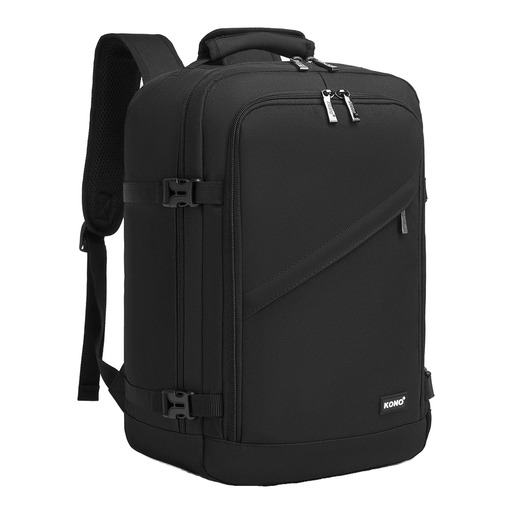
Why it suits this profile: Its fixed dimensions of 40 × 20 × 25 cm and capacity of around 20 litres make it a straightforward choice for travellers looking for a compact underseat bag.
The dimensions are clearly stated in the product name. Still, check them against your airline’s rules and avoid overfilling the bag.
20-litre capacity; backpack design with compact cabin dimensions.
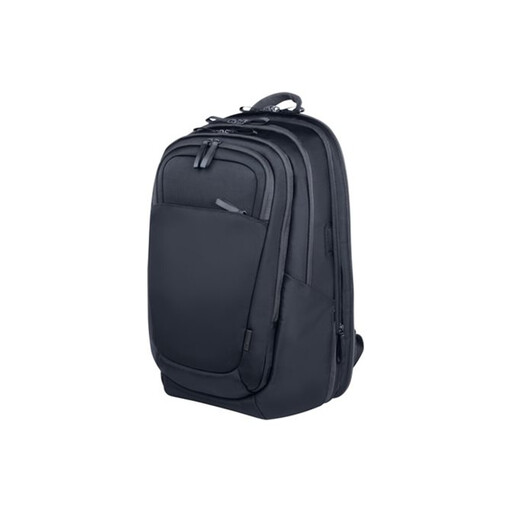
Why it suits this profile: A great fit for commuters, students and business travellers who want laptop storage, organisation and expandable capacity in one backpack.
The stated laptop size, capacity and product dimensions make it easier to check whether it’s right for you before buying.
15.6-inch laptop compartment; 25 litres, expandable to 30 litres; chest strap and several compartments.
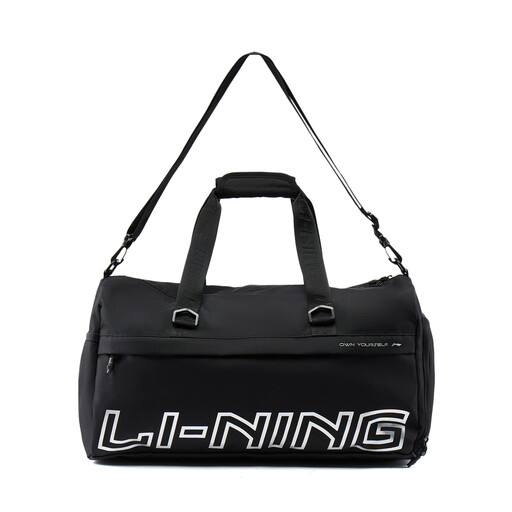
Why it suits this profile: A practical choice for anyone who wants to keep clothes, accessories and shoes separate on the way to training or on a short trip.
The separate shoe compartment keeps footwear away from clothes and other belongings. According to the product description, the fabric is water-repellent, not waterproof.
Around 39 litres; separate shoe compartment; can be carried as a handbag, shoulder bag or crossbody bag.
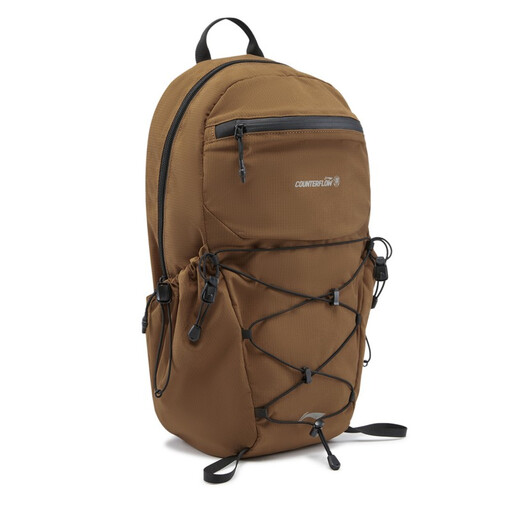
Why it suits this profile: Its layout and carrying features make it a good choice for city use, gentle walks and commuting with a light load.
Its 16-litre capacity limits how much you can carry. The manufacturer describes the fabric as splash-resistant; extra protection is needed in heavy rain.
16 litres; breathable back panel; adjustable shoulder straps and external attachment points.
We’ve put together a full, up-to-date list of products that meet these strict selection criteria and the applicable European safety regulations.
That depends on the airline and your ticket type. Compare the external dimensions with the current baggage rules. A 40 × 20 × 25 cm bag is designed for a different size limit from a 40 × 30 × 20 cm model. Leave some room around the zip too, so the bag doesn’t bulge.
Its lifespan depends on how much weight it carries, how often you use it, exposure to moisture and how well you care for it. Overloading puts extra strain on zips and seams. Clean polyester with a damp cloth, let the bag dry completely and store it somewhere dry. Always follow the manufacturer’s care instructions.
A water-repellent finish can be useful in light rain or against splashes. For prolonged rain, a rain cover and protective covers for your laptop and clothes are a better choice. Check the product description: “water-repellent” or “water repellency rating” doesn’t guarantee complete waterproofing.
