
Vandaag of morgen in huis

Kwaliteit gegarandeerd

Welkomstaanbiedingen ontgrendelen: GRATIS bezorging | Tot 80% korting | Gratis 30 dagen JoyPlus-proefperiode
Download de app
A backpack may seem simple to choose, but differences in dimensions, compartment layout and material determine whether it remains comfortable in everyday use. A model may look spacious in the product photo, yet have little room for a laptop or lunch box. Terms such as “water-resistant” and “durable” are also not always used consistently.
Pay particular attention to these three common pitfalls:
For everyday use, a capacity of around 20 to 25 litres is often a good balance between compact and spacious. A school backpack should have room for books, a pencil case, lunch and sometimes sportswear. For a short trip, a larger backpack or an expandable model may be more convenient.
As well as capacity, pay attention to the external dimensions. A 45 × 30 × 18 cm backpack may be spacious, but it can also feel larger on a smaller back. Adjustable shoulder straps help you achieve a better fit. A padded back panel can improve carrying comfort, especially when you wear the backpack for longer periods.
Anyone who travels with a laptop every day needs more than just a large main compartment. A backpack with a laptop compartment keeps the device separate from books and other belongings. Check:
A laptop backpack 15.6 inch is a sensible choice for many standard laptops, but measure your device, including its protective case, before ordering.
Polyester, canvas and synthetic materials are all common choices for a backpack. Canvas can have a more casual look, while polyester is often used for lightweight models. According to the product description, a PU coating may help protect against moisture, but always check whether the product is described as water-resistant or waterproof.
A waterproof backpack for intensive cycling should preferably also have protected zips, a closure that does not leave an opening and seams with additional sealing. If the product title only says “water resistant”, treat the model as suitable for light rain rather than fully waterproof.
The right choice depends on what you carry every day. A business backpack needs a different layout from a sporty backpack. For a commuter, a laptop compartment, organised pockets and a sturdy carrying structure are important. A traveller may instead value a luggage strap, expandable capacity and easily accessible compartments.
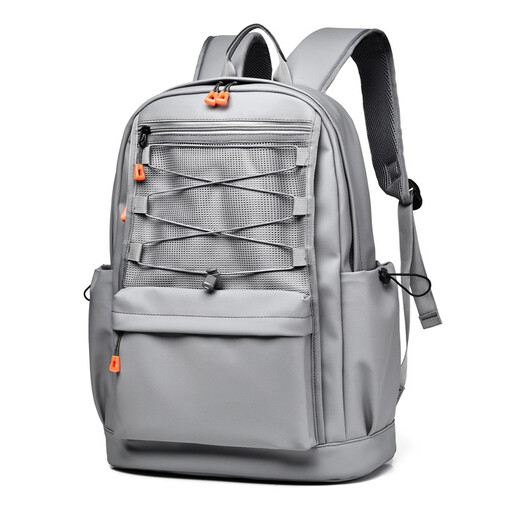
Why it suits this profile: A practical large backpack for school, everyday use or a short outing, with an emphasis on space and multiple compartments.
The product title mentions a lightweight design and multiple compartments. Before buying, check the exact dimensions and laptop compatibility.
Spacious design, adjustable straps and a layout with multiple compartments according to the product information.
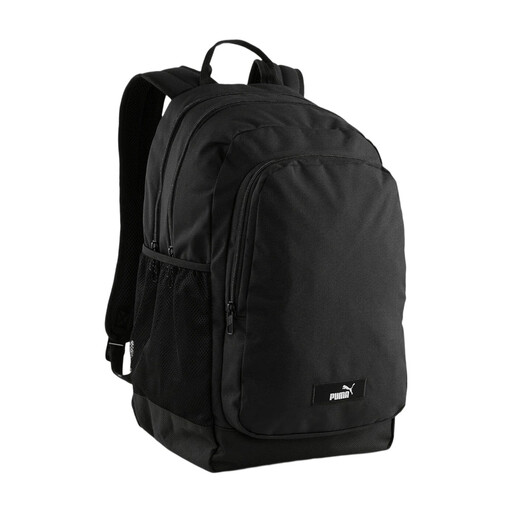
Why it suits this profile: Suitable for school, work and everyday use when you are looking for a sporty backpack with well-organised storage space.
The two main compartments, front pocket, side pockets and padded sections make the layout easy to assess rather than merely appearing spacious.
Capacity of around 24 litres, suitable for devices up to 18.7 inches according to PUMA's product information, plus padded straps.
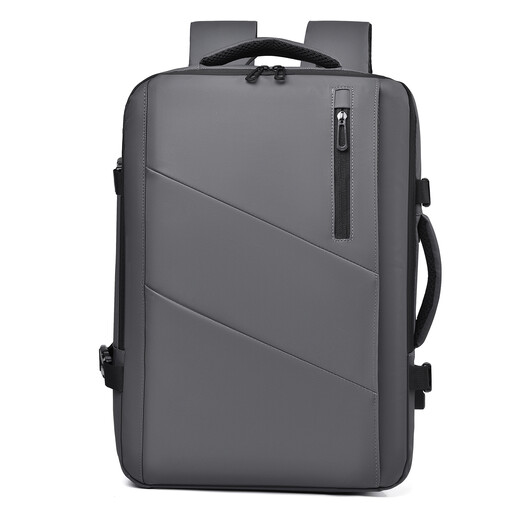
Why it suits this profile: A travel backpack for commuting, weekend trips and situations where you want to temporarily increase the capacity.
The stated capacity of 25 to 35 litres makes the expandable design clear. Before ordering, check the level of protection provided by the laptop compartment.
Expandable capacity and multiple compartments according to the product title; designed for business travel, commuting and short trips.
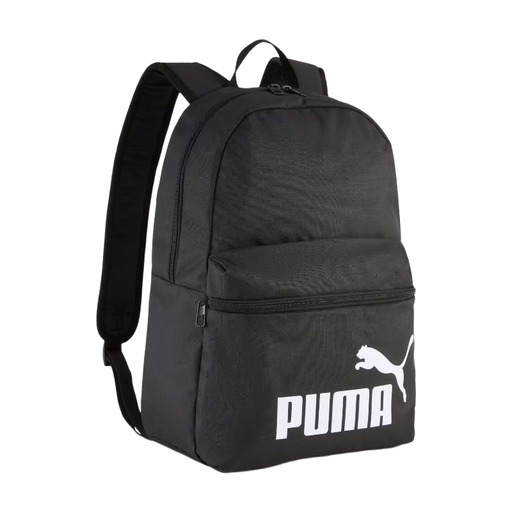
Why it suits this profile: A lightweight backpack for sport, school and short everyday journeys when you do not want to carry unnecessary extra weight.
The stated weight of 300 grams means the empty backpack will not already feel heavy. Its 22-litre capacity keeps it suited to everyday use.
22-litre capacity, padded back panel, adjustable straps and a polyester side pocket according to PUMA's product information.
We have put together a complete, up-to-date list of products that fully meet these strict selection criteria and the applicable European safety regulations.
For everyday essentials, around 18 to 24 litres is often practical. If you carry a laptop, books, lunch and sportswear, it is better to consider a larger backpack. Also measure the available space in your locker or bike bag.
Its lifespan depends on the material, zips, seams, load and maintenance. Do not put more in the backpack than the compartments can hold, and lift it by the handle. Follow the care instructions; some models may only be cleaned with a damp cloth.
A water-resistant backpack may be suitable for light rain, but check the exact product description. For longer bike rides in heavy rain, additional protection, such as a rain cover or waterproof packaging for electronics, is advisable.
