
Vandaag of morgen in huis

Kwaliteit gegarandeerd

Welkomstaanbiedingen ontgrendelen: GRATIS bezorging | Tot 80% korting | Gratis 30 dagen JoyPlus-proefperiode
Download de app
A backpack may seem simple to choose, until you use it every day. That is when a laptop compartment that is too tight, shoulder straps that rub or an awkward layout quickly become noticeable. Marketing terms such as “waterproof”, “durable” and “ergonomic” do not always tell you what you actually need in practice.
Whether you are looking for a women’s backpack, men’s backpack or unisex backpack, it is therefore wise to decide on its intended use first. A school backpack for books has different requirements from a 15.6-inch laptop backpack for commuting. For a walk or day trip, carrying comfort, ventilation and capacity are more important than a formal appearance.
A stated volume, such as 20 litres or 30 litres, indicates the total capacity. That does not mean every compartment is equally practical. A backpack with lots of compartments can help keep everything organised, but smaller compartments also take up space.
Pay attention to:
For everyday use, a 20-litre backpack is often sufficient for lunch, an extra layer of clothing, a water bottle and a few accessories. A 30-litre backpack offers more space for a day trip, sportswear or additional belongings, but may feel bulkier and less compact.
A water-repellent backpack can help keep out light rain or splashes. However, that does not automatically mean it will protect your belongings during a prolonged downpour. Check whether the product information mentions a coating, protective fabric, covered zips or a separate rain cover.
According to the product description, the Beneunder LC183 uses protective fabric that is resistant to wind, rain and stains. This is information provided by the manufacturer and is not a guarantee that the contents will stay dry in all weather conditions. If in doubt, place electronics in an additional protective case.
Wide, adjustable straps are useful, but the back panel also affects how comfortable a backpack is to carry. An ill-fitting backpack can pull on your shoulders or feel hot over longer distances.
So check:
A lightweight backpack is not always the right choice if its construction does not provide enough support. Consider the combination of empty weight, capacity, back panel and strap adjustment.
A 15.6-inch laptop backpack should not simply carry a “15.6-inch” label. Laptops vary in body size depending on the brand and model. Compare the internal dimensions of the compartment with the dimensions of your device. Also check whether there is room for a charger, mouse and documents.
For school pupils and students, a separate laptop compartment can be useful, but books require a sturdy main compartment. A model designed mainly for a slim laptop may be less suitable for heavy schoolbooks.
Choose the capacity based on what you actually carry:
An expandable backpack can be useful when the amount of luggage varies. According to the product details, the Beneunder LC183 has a capacity of 10 litres and can be expanded to 13 litres. The manufacturer also states that it has two pressure-relieving shoulder straps and concealed pockets. Before buying, check that the dimensions are suitable for your laptop and everyday belongings.
Many backpacks are made from polyester or nylon. Nylon is often known for being flexible and lightweight, while polyester is used in many everyday models because it retains its shape well. The material description alone does not indicate how sturdy a bag is. Also pay attention to:
A model with a coating will usually need to be cleaned with a damp cloth. Always follow the manufacturer’s care instructions to prevent unnecessary wear to the fabric and protective finish.
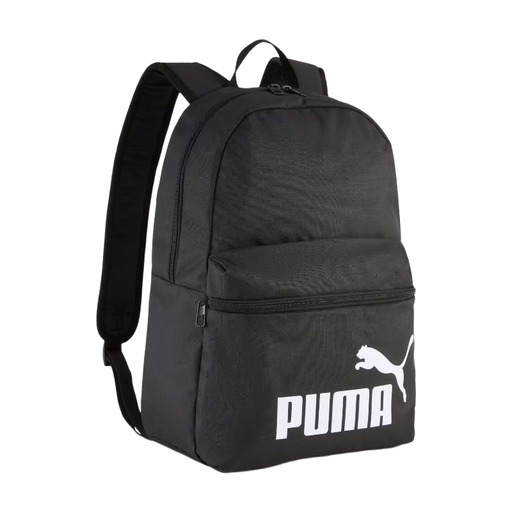
Why it suits this profile: A practical unisex backpack for school, sport and everyday use, without a complicated layout.
The product details state that it has a capacity of 22 litres, a main compartment, front pocket and side pocket. Its stated weight is 300 grams, giving you a clear starting point for everyday use.
22-litre capacity, padded back panel, adjustable shoulder straps and a mesh side pocket for a water bottle.
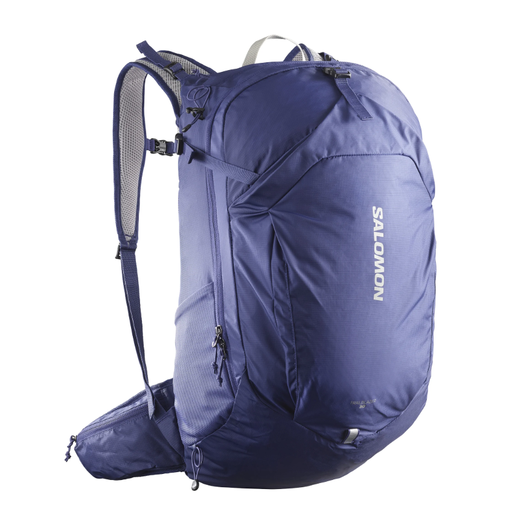
Why it suits this profile: Designed for users who want one backpack for day trips, urban outings and light outdoor activities.
The stated 30-litre capacity and multiple compartments make the available space clear. According to the product description, the breathable mesh in the shoulder straps and back panel is designed to provide ventilation and carrying comfort.
30-litre capacity, nylon and polyester fabrics, multiple compartments and an ergonomic design. According to the product information, this product is covered by at least the two-year statutory guarantee applicable in the EU.
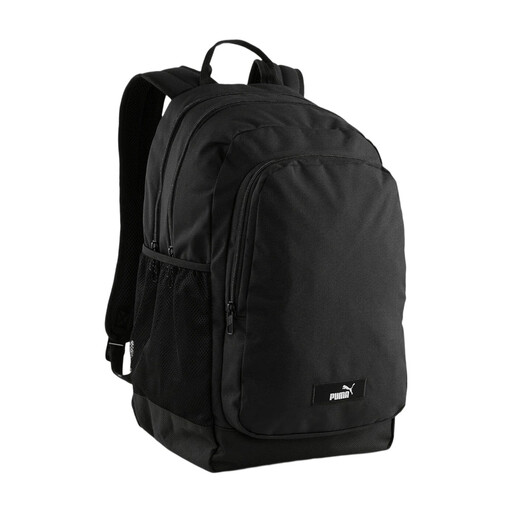
Why it suits this profile: A sensible choice for school, studying and everyday transport when you need several compartments and additional storage space.
According to the product specifications, the bag has two main compartments, several pockets and compatibility with devices up to 18.7 inches. Nevertheless, check the exact dimensions of your device.
Approximately 24-litre capacity, padded shoulder straps and back, two side pockets and an elasticated inner pocket.
We have put together a complete, up-to-date list of products that fully meet these strict selection criteria and the applicable European safety regulations.
For commuting, school or studying, a capacity of around 20 to 24 litres is often practical. If you carry sportswear, lunch and extra layers, 30 litres may be more convenient. As well as the capacity in litres, always consider the internal dimensions and layout.
No. The 15.6-inch designation is only a guideline. The actual dimensions of a laptop may vary because of the bezel around the screen and the casing. Measure your laptop and compare those measurements with the laptop compartment. A compartment that is too tight can damage the zip and the laptop.
Its lifespan depends on the load, material, moisture, use of the zips and maintenance. Overfilled compartments and carrying heavy items for long periods accelerate wear. Store the backpack in a dry place, follow the cleaning instructions and check the stitching and zips before minor damage becomes more serious. European consumer rights, including statutory guarantees, continue to apply under the relevant rules.
