
Vandaag of morgen in huis

Kwaliteit gegarandeerd

Welkomstaanbiedingen ontgrendelen: GRATIS bezorging | Tot 80% korting | Gratis 30 dagen JoyPlus-proefperiode
Download de app
A backpack might seem easy to choose at first. But in everyday use, many models turn out to be less practical than their product photos suggest. A bag may look spacious but have too few compartments. A water-repellent outer layer may keep out a brief shower, but it won’t necessarily protect your belongings in prolonged rain. And a laptop compartment labelled “15.6 inch” won’t fit every laptop of that size.
For pupils, students, commuters, walkers and travellers, there are three main pitfalls to watch out for:
Don’t just look at the capacity in litres. Check the external dimensions and the shape of the laptop compartment too. A 15.6-inch laptop backpack needs to be wide enough, but the thickness of your laptop and the padding around the compartment also matter.
For school and study, a main compartment that fits A4 items, a separate laptop compartment and smaller zipped pockets are useful. A school backpack for everyday use doesn’t need to be particularly large, but it should keep books, a lunch box and personal belongings separate. If you carry a lot, a spacious bag with several compartments is more useful than one large compartment.
Also consider how much weight you’ll be carrying. A bag that’s light when empty can still become uncomfortable once you’ve added a heavy laptop and books. Pack heavier items close to your back and use both shoulder straps.
Oxford or 900D fabric is often chosen for its durability. However, that doesn’t automatically tell you how well a backpack will stand up to rain. Check whether the description mentions water-repellent material, a protection rating or fully waterproof fabric.
A water-repellent backpack is generally suitable for commuting or cycling in a brief shower. For walks in changeable weather, a rain cover or waterproof inner bag is a sensible addition. Check the base, zips and seams too, as moisture often gets in there first.
A lightweight backpack is handy for long school days, travelling and walking. Check that the stated weight refers to the bag itself, rather than an empty, compressed model. Adjustable shoulder straps, a chest strap and a padded back can improve carrying comfort, but getting the fit right is still important.
A foldable backpack is most useful as a spare for shopping, day trips or travel. Compact storage is convenient, but these models often offer less structure and protection than an everyday school or laptop backpack. Choose one based on how you’ll use it, not just how small it folds down.
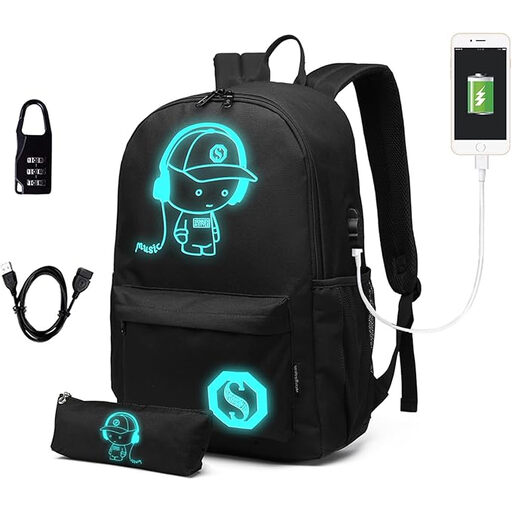
Why it suits this profile: This school backpack is designed for teenagers, pupils and students looking for a distinctive design with practical compartments. The main compartment holds a laptop up to 15.6 inches, A4 books and notebooks.
The stated dimensions are 30 × 17 × 48 cm and it weighs 0.47 kg. This means you can assess its size and basic weight in advance. The USB port works with a power bank, which is not included.
Oxford fabric, several compartments, two side pockets and an internal laptop compartment. According to the product description, the design can glow for several hours after 10–20 minutes of exposure to light.
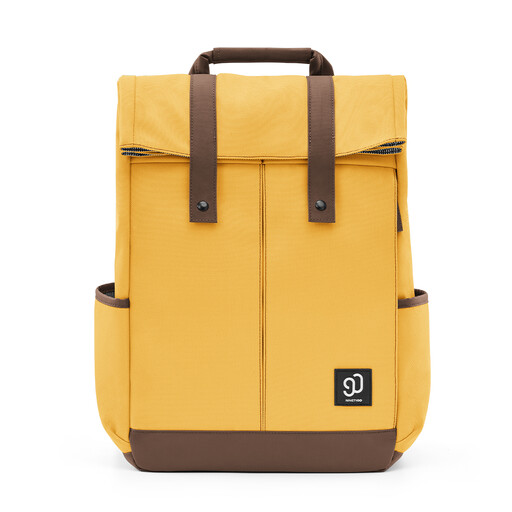
Why it suits this profile: A practical choice for students and commuters who want to carry their laptop, books and accessories separately.
The product information lists tear-resistant 900D fabric and level 4 water repellency, but also states that the bag isn’t fully waterproof. That means you’ll need a rain cover in prolonged rain.
Three front pockets, a separate laptop compartment, side access and reinforced side pockets for a bottle or wet umbrella. The detailed specifications state that it supports laptops up to 14 inches; check this before buying if you have a 15.6-inch laptop.
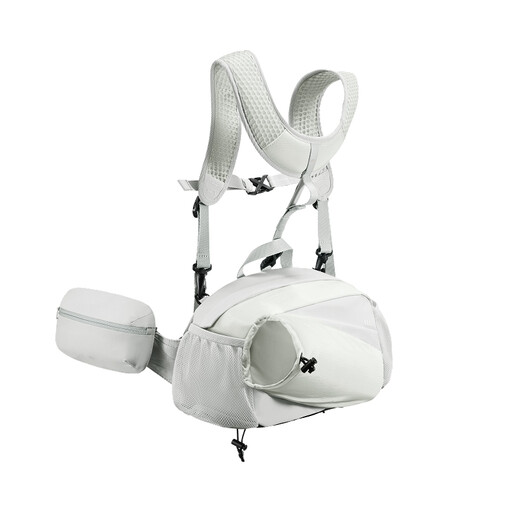
Why it suits this profile: This walking backpack is ideal for people who want to travel light but need extra storage space on the go.
The model folds down and has an expandable design. This means you don’t have to carry a large bag when you’re not taking much with you.
A one-button folding system, adjustable shoulder strap and detachable phone pocket. According to the product description, its lightweight design reduces weight by 50%; this is a claim made by the brand.

Why it suits this profile: A sensible option if low weight, compact storage and use on walks or trips matter more than a sturdy laptop compartment.
The foldable design means you don’t have to take a large everyday bag for occasional use. Be sure to check the current capacity and pocket layout first.
30D nylon and a design described in the product name as ultralight, foldable and waterproof. A more structured model may be better suited to carrying heavy loads every day.
We’ve put together a complete, up-to-date list of products that meet these strict selection criteria and comply with the applicable European safety regulations.
Check the exact dimensions of the laptop compartment, not just the product title. A compartment advertised as “up to 15.6 inches” may be a tight fit for a laptop with a wide bezel or thick casing. Measure your laptop and compare those dimensions with the product specifications.
Always follow the manufacturer’s care instructions. Many models made from Oxford or nylon fabric can be cleaned with a damp cloth. Some bags are suitable for hand-washing only. Avoid tumble-drying unless the product information says it’s safe, as this could damage the coating, print or shape.
Its lifespan depends on the weight you carry, how often you use it, exposure to moisture and how you store it. Don’t overload your bag, open zips by pulling them straight and let a wet backpack dry completely. Before buying, pay particular attention to the seams, shoulder straps, zips and reinforced base. This will help you choose a bag that suits the way you’ll use it and ensure extra features don’t take priority over everyday practicality.
