
Vandaag of morgen in huis

Kwaliteit gegarandeerd

Welkomstaanbiedingen ontgrendelen: GRATIS bezorging | Tot 80% korting | Gratis 30 dagen JoyPlus-proefperiode
Download de app
Buying a new backpack seems simple—until you see the overwhelming number of options. A bag for your laptop and lunch is completely different from a lightweight pack for a run, or a spacious trekking backpack for a week in the wilderness. It's easy to get lost in all the specifications, materials, and sizes.
As a Joybuy Product Recommendation Officer, my job is to help you. This guide is designed to walk you through the choices, focusing on practical features and how you'll use the backpack. This way, you'll find a model that truly suits you, without paying for features you don't need.
Before we dive into specific models, here are a few key points to help you make your choice.
A backpack's volume is almost always indicated in litres. This number gives you a good idea of how much you can carry.
A backpack can have all the convenient pockets in the world, but if it's not comfortable, you won't use it. Pay attention to the following components:
The material determines the bag's durability and weight. Polyester and nylon are popular because they are strong and relatively light. If you often cycle or walk in the rain, a waterproof backpack or a model with an integrated rain cover is a smart choice. A lightweight backpack is great for sports activities, while a heavier, more durable material is better for rugged use.
Based on functionality and intended use, we've highlighted some popular choices for you.
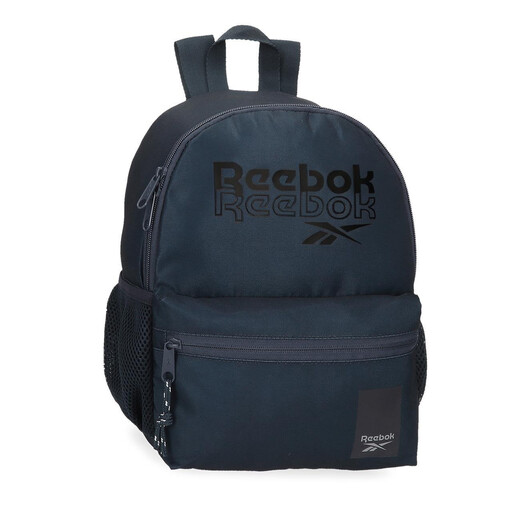
Why It Stands Out: This Reebok backpack is a true all-rounder. It combines a sporty look with the practical functionality you need for daily use. The design is clean and functional, without any unnecessary frills.
Key Features:
Who It's For: For students, commuters, and anyone looking for a reliable and stylish daypack or school bag for everyday activities.
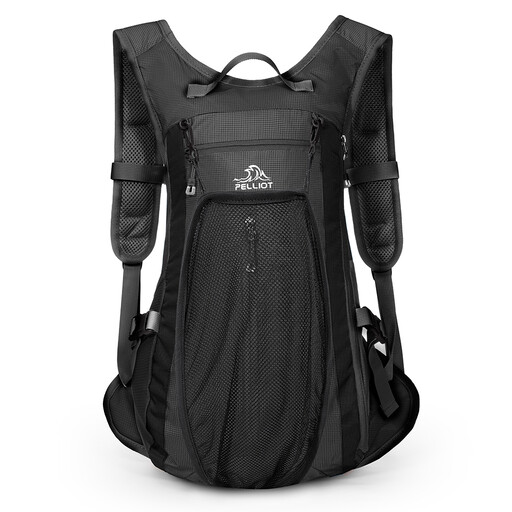
Why It Stands Out: This running backpack from PELLIOT is specifically designed for movement. According to the manufacturer, its S.L.F. (Stable, Lightweight, Fast Access) system was developed to keep the pack snug against your body without bouncing, while still allowing easy access to your gear.
Key Features:
Who It's For: For serious runners, cyclists, and other endurance athletes who need a functional, lightweight backpack that won't hinder performance.
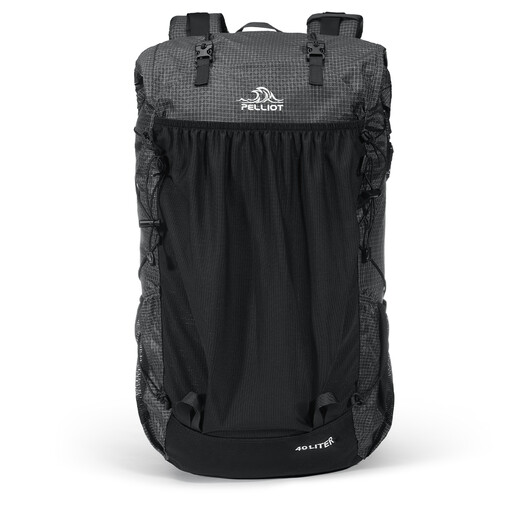
Why It Stands Out: This trekking backpack is built for adventure. With a 40-litre capacity and an advanced carry system, it's designed to comfortably carry heavy loads on multi-day trips.
Key Features:
Who It's For: For hikers, campers, and travellers who need a durable and spacious hiking backpack for trips lasting 2 to 3 days.
These three models cover a wide range of activities, but perhaps you have something else in mind. Everyone has unique needs when it comes to the perfect backpack.
Are you looking for a different size, a specific colour, or another type of bag? Check out our full range and find the perfect match for your adventure in our extensive master backpack collection.
This depends entirely on your activity. For daily use (work, school), 20-30 litres is usually sufficient. For a day hike, 25-35 litres will do, while for multi-day treks, you'll quickly be looking at 40-60 litres or more.
A specific women's backpack often has a shorter back panel, as women on average have a shorter torso. The shoulder straps are usually S-shaped and narrower to fit better around the chest, and the hip belt is often angled for a better fit on the hips. A men's backpack or a unisex model typically has a longer back panel and straighter shoulder straps.
Always check the manufacturer's care label first. Most backpacks should not be put in the washing machine. The recommended method is usually to clean the bag by hand. Use a damp cloth and, if necessary, a mild soap to remove stains. Let the backpack air dry completely before storing it again.
