
Vandaag of morgen in huis

Kwaliteit gegarandeerd

Welkomstaanbiedingen ontgrendelen: GRATIS bezorging | Tot 80% korting | Gratis 30 dagen JoyPlus-proefperiode
Download de app
A backpack is more than just a bag; it's your daily companion for work, school, or adventure. Yet, the search is often frustrating. A bag that looks great online can be disappointing in practice. Before you make a choice, it's important to know what to look for. Here, we'll discuss a few common pitfalls and the specifications that truly matter.
Many backpacks are promoted with marketing buzzwords that mean little in reality. This often leads to disappointment and unnecessary expense.
To avoid buyer's remorse, it's better to focus on objective features. These three specifications determine whether a backpack is right for your needs.
A backpack's volume is measured in litres. This gives an indication of its size, but the layout is just as important.
The material determines the durability and protection of your belongings. Fabrics like high-denier polyester and nylon (e.g., 600D) are wear-resistant. For water resistance, a water-repellent coating (DWR) is a basic requirement. For serious protection against rain, a bag with sealed zippers or an included rain cover is a better choice.
A good backpack is one you barely feel, even when it's full. Pay attention to the following:
Based on these criteria, we have selected a few models that suit different user profiles.
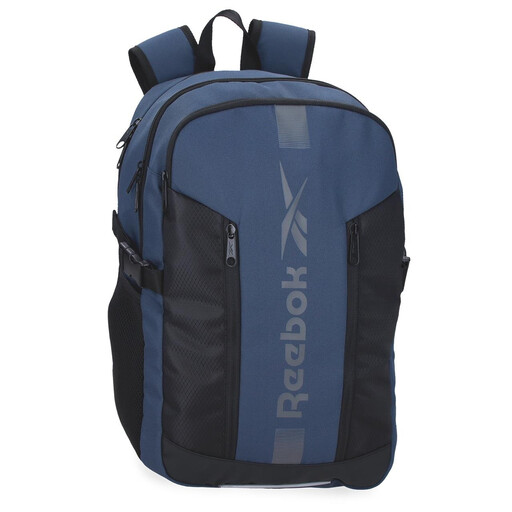
Why This Fits Their Persona: Ideal for those seeking a reliable bag for work, school, or the gym. Its sporty, sleek design fits in anywhere, while the layout is focused on practical organisation for books, a laptop, and daily essentials.
This bag focuses on functionality rather than just looks. The adjustable shoulder straps and durable construction tackle the pitfalls of poor comfort and short lifespan.
Spacious main compartment with extra pockets for good organisation. The construction is designed for regular use.
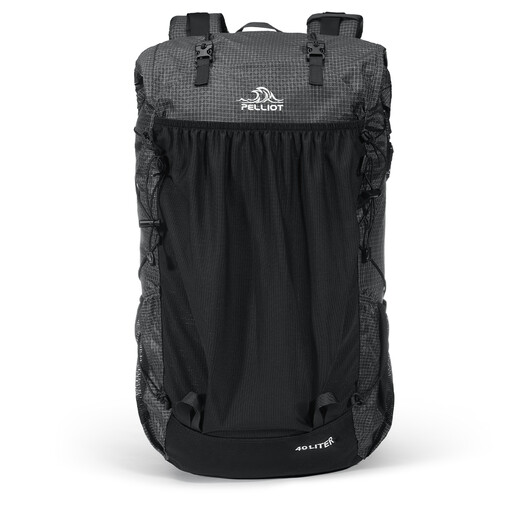
Why This Fits Their Persona: Designed for serious 2-3 day hiking trips. With a 40-litre capacity and gear attachment points, this bag is built for those who head into nature and need comfort and reliability.
This bag directly addresses the comfort pitfall. According to the manufacturer, Pelliot, the built-in frame transfers weight to the hips, and the shoulder straps dynamically adjust to your movement.
Advanced harness system for heavy loads. Abrasion-resistant fabric and a breathable 3D back panel for comfort on long treks.
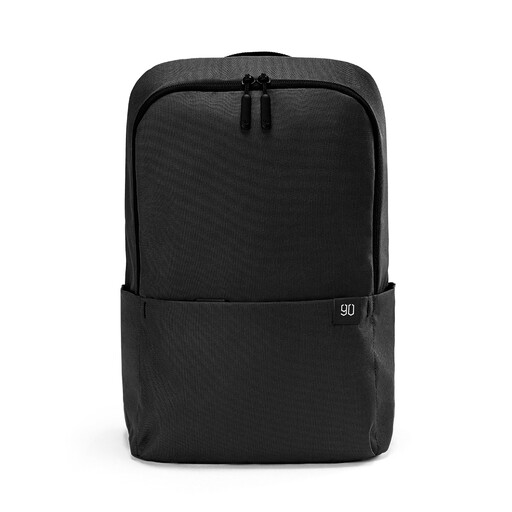
Why This Fits Their Persona: Perfect for those who carry only the essentials. This bag is extremely light and compact, yet its 12-litre capacity offers enough space for an iPad, a book, and other small items. Ideal for a walk through the city or a short bike ride.
This bag is honest about its compact size, sidestepping the misleading capacity pitfall. It is specifically designed as a true lightweight backpack, without any pretences.
Weighs only 194 grams. Made from tear-resistant and water-repellent material, with convenient side pockets for a bottle or umbrella.
We have compiled a complete, up-to-date list of products that meet these strict selection criteria and local regulations.
That depends entirely on your activity. For a daily commute with a laptop, 20-25 litres is usually sufficient. If you're going for a day hike, 25-35 litres is a good guideline. For weekend trips or if you carry a lot of gear (like gym clothes and books), look for 30 litres or more.
Always check the manufacturer's care label first. Most backpacks should not be put in the washing machine, as this can damage the water-repellent coating and structure. The recommended method is usually to clean it with a damp cloth and mild soap. Then, let the bag air dry, away from direct sunlight or a heat source.
Not necessarily. A higher price is often associated with more advanced materials, a more complex harness system, or a well-known brand. For an intensive mountain hike, investing in a technical hiking backpack makes sense. However, for an everyday school backpack or daypack, you can find an excellent model in a lower price range by focusing on the basic features: sturdy material, good zippers, and comfortable shoulder straps.
