
Vandaag of morgen in huis

Kwaliteit gegarandeerd

Welkomstaanbiedingen ontgrendelen: GRATIS bezorging | Tot 80% korting | Gratis 30 dagen JoyPlus-proefperiode
Download de app
Buying a new backpack seems simple until, after a few weeks, you notice the zipper is catching, your laptop doesn't fit properly, or you're left with soaked belongings after a sudden downpour. Many backpacks look great online but fall short in practice. This is often due to clever marketing that glosses over significant drawbacks. Before you make a choice, it's helpful to know the most common pitfalls.
By paying attention to a few key specifications, you can avoid these problems and find a backpack that truly suits you.
A backpack's specifications determine its functionality and durability. Focus on the following three points to avoid buyer's remorse.
Not all materials are created equal. Most backpacks are made from polyester or nylon, which are naturally durable. However, true protection against the weather comes from the finish.
A backpack's volume is expressed in litres. This number gives an indication of its size, but the layout is at least as important.
Comfort is personal, but a good carrying system has several objective features. Both a women's backpack and a men's backpack benefit from an ergonomic design.
Based on these criteria, we have selected a number of backpacks that suit specific needs.
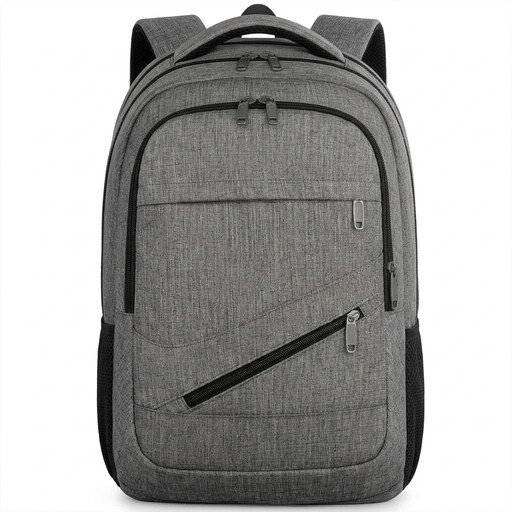
Why This Fits Their Persona: Ideal for those who travel daily with a laptop, documents, and other essentials. The bag is designed for organisation and ease of use, with handy extras for work or study.
Tackles the pitfall of an impractical layout with a separate laptop compartment (up to 17 inches), a tablet sleeve, and multiple front zip pockets. Everything has its own place.
TSA-friendly design that opens 180 degrees for quick security checks. Includes an external USB port for on-the-go charging.
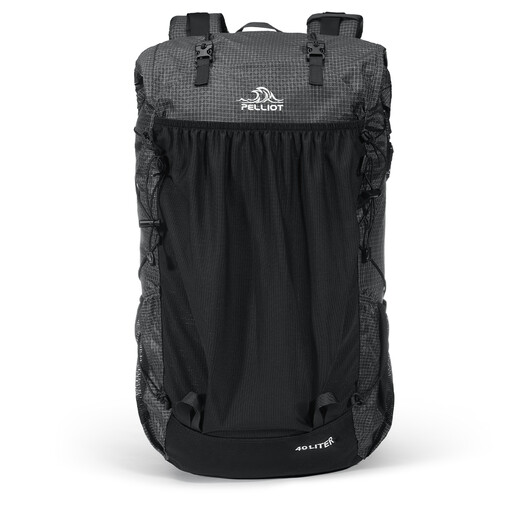
Why This Fits Their Persona: Built for multi-day treks. The 40L capacity is suitable for 2-3 days, with a focus on carrying comfort for heavy loads and smart storage for gear.
Avoids the pitfall of poor carrying comfort. According to the manufacturer, the built-in alloy frame transfers weight to the hips, relieving the shoulders over long distances.
Features a 3D breathable cushioning system and a dynamic harness that adapts to your movements. Abrasion-resistant fabric and attachment points for hiking poles.
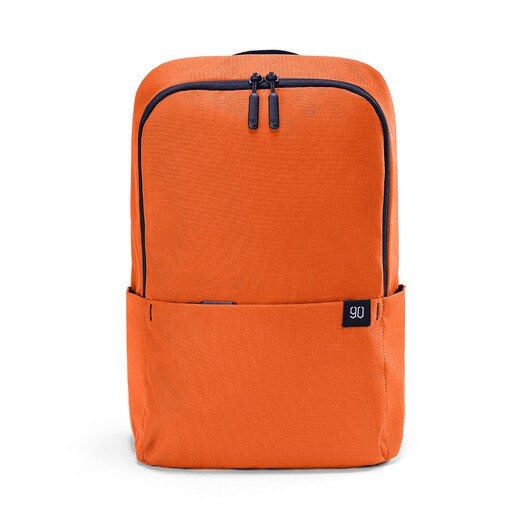
Why This Fits Their Persona: For those who carry only the essentials and dislike heavy bags. Perfect for a city walk, a festival, or as a compact travel bag.
Bypasses the pitfall of incorrect capacity by being intentionally small and light. The 12L capacity is just right for those who don't want to lug around a large, bulky bag.
Extremely lightweight (194 grams, lighter than a bottle of water). Made from water-repellent and tear-resistant fabric. Compact, yet spacious enough for an iPad and other essentials.
We have compiled a complete, up-to-date list of products that meet these selection criteria and current regulations.
For daily use, such as for school or work, a backpack with a capacity between 20 and 30 litres is usually sufficient. This provides enough space for a laptop (choose a model with a dedicated laptop compartment), a few books, a lunch box, and personal items. A daypack of less than 20 litres is more suitable for short outings.
Water-repellent means the fabric has been treated to repel light rain. The droplets will bead up on the fabric and not soak in immediately. However, during a heavy or prolonged downpour, the bag will eventually leak. A waterproof backpack is designed to keep your belongings dry, even in heavy rain. This is achieved through materials with a waterproof coating, sealed seams, and special zippers. Always check the product details to see what level of protection a bag offers.
For optimal comfort, it's important to adjust your backpack properly. Make sure the bag rests high on your back, not dangling near your lower back. Tighten the shoulder straps until the weight is comfortably distributed on your shoulders. If your backpack has a sternum strap, fasten it at chest height. This prevents the shoulder straps from slipping off. A hip belt, if present, should be fastened over your hip bones to take a significant portion of the weight off your shoulders.
