
Vandaag of morgen in huis

Kwaliteit gegarandeerd

Welkomstaanbiedingen ontgrendelen: GRATIS bezorging | Tot 80% korting | Gratis 30 dagen JoyPlus-proefperiode
Download de app
A backpack seems easy to choose, until you cycle to work through the rain, take a laptop on the train or need to carry several days’ worth of walking gear. A low price or a long list of features does not automatically indicate how practical it is. Pay particular attention to capacity, carrying comfort, materials and how you intend to use the bag.
A large backpack may seem convenient, but extra space often encourages you to carry more than you need. For commuting or school, a compact model is usually more practical. A 30-litre backpack provides space for clothing, food and everyday essentials without the bulk of a trekking pack. For a short camping trip, a 45-litre backpack may be more suitable. A 50-litre model is mainly intended for lots of equipment or longer trips.
Words such as “waterproof”, “weather-resistant” and “anti-splash” do not always mean the same thing. Check whether the bag has been tested as fully waterproof or simply has a water-repellent outer fabric. A water-resistant backpack can help keep out light rain or splashes, but seams and zips may still be weak points. For typical Dutch showers, a rain cover or waterproof inner bag may be a sensible choice.
A lightweight backpack is pleasant when you are covering many kilometres, but a low weight should not come at the expense of pockets, adjustability or stability. Consider the combination of weight, back panel, shoulder straps and any chest or hip belt. A sturdy model may be slightly heavier, but can still sit more securely when fully loaded.
First, decide what you carry every day:
As well as capacity, the layout is important. A main compartment with loose side pockets works differently from a bag with a separate laptop compartment, document section or easily accessible front pocket. Also check the dimensions if you want to carry a laptop, travel card, bottle or camera equipment.
A backpack should not simply hang from your shoulders. Look for:
A walking or outdoor backpack usually offers more adjustment options than a simple city bag. Keep heavy items close to your back and distribute the weight across several compartments. This helps the bag remain balanced while cycling, walking or travelling.
Nylon, polyester and Oxford fabric are commonly used for backpacks. Their properties vary depending on the construction and weave. Therefore, check the product description rather than relying solely on the material name. Coated Oxford fabric, for example, may be described as tear-, weather- and abrasion-resistant. This is a product feature stated in the description, not a guarantee that the bag will remain waterproof in every situation.
Pay attention to care requirements too. Many models may only be cleaned with a damp cloth. Machine washing, prolonged exposure to heat or sharp objects can damage the fabric, coating and zips. A foldable backpack is useful as a spare, but check whether its construction is suitable for the weight you intend to carry every day.
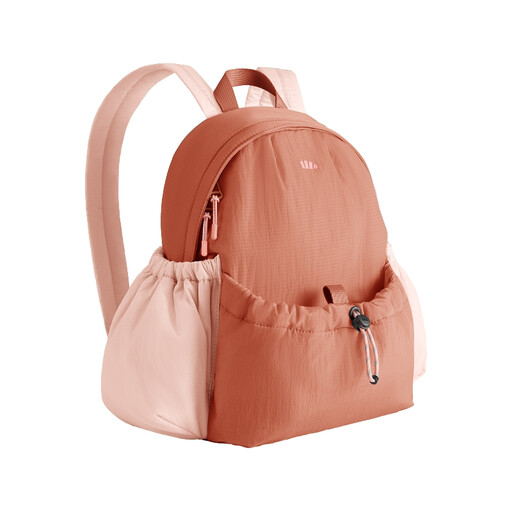
Why it suits this profile: This compact bag is designed for everyday use, short trips and commuting. According to the product description, its capacity expands from 10 to 13 litres.
The fixed compact capacity prevents you from carrying a large bag for everyday errands. According to the description, the fabric is designed to resist wind, rain and stains; check the zips in wet weather.
8.3 oz according to the product specification, expandable by 30% and fitted with adjustable shoulder straps and organised compartments.
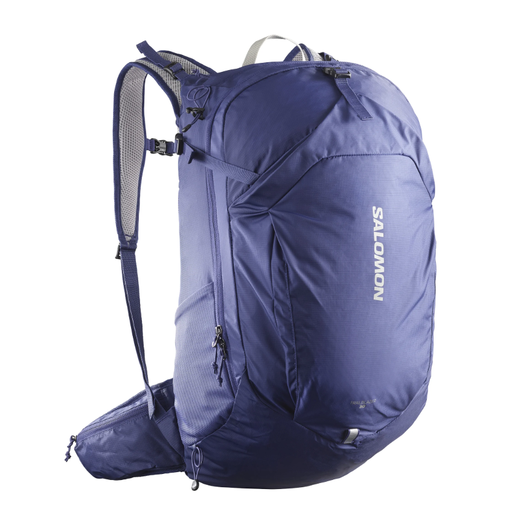
Why it suits this profile: The combination of 30 litres, multiple compartments and a breathable back panel makes it well suited to day trips and urban adventures.
The product specification mentions an ergonomic design, breathable mesh and multiple storage compartments. This means you are looking beyond appearance or capacity alone.
30-litre capacity, nylon and polyester fabrics, adjustable shoulder straps and a mesh back panel according to the product description.
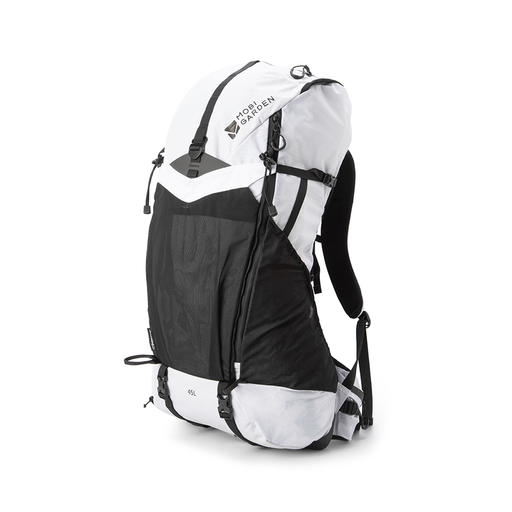
Why it suits this profile: According to the product information, this model is intended for backpacking, walking and trekking, with room for several days’ worth of equipment.
The bag includes a chest strap, hip belt, breathable 3D back panel and separate waterproof hydration sleeve. However, the manufacturer warns against sharp objects and overloading.
45-litre capacity, approximately 1.35 kg, external attachment points and a separate hydration compartment according to the product specification.
We have put together a complete, up-to-date list of products that fully meet these strict selection criteria and the applicable European safety regulations.
For everyday use, 15 to 30 litres is often practical. Choose extra space if you carry a laptop, lunch, sportswear and waterproof clothing together. Also check the dimensions of the laptop compartment; a capacity rating alone does not tell you whether your device will fit.
Its lifespan depends on the load, materials, use of the zips and maintenance. A bag that is overloaded every day will wear out faster than one used within its stated capacity. Clean the bag according to the care instructions, store it somewhere dry and check the seams and buckles regularly.
It can be, provided the capacity, fit and materials suit how you intend to use it. For a short city break, a lightweight or foldable backpack may be sufficient. For walking and camping, adjustable straps, a chest or hip belt and a stable back panel are more important than the purchase price alone.
