
Vandaag of morgen in huis

Kwaliteit gegarandeerd

Welkomstaanbiedingen ontgrendelen: GRATIS bezorging | Tot 80% korting | Gratis 30 dagen JoyPlus-proefperiode
Download de app
A backpack might seem simple to choose – until you’re stuck with a laptop compartment that’s too small, uncomfortable shoulder straps, or poorly organised pockets. What’s more, marketing terms like “waterproof”, “large capacity” and “durable” don’t always mean exactly what you think.
That’s why you should focus on the dimensions, layout and specific material specifications. This way, you’ll find a backpack that suits your needs, without paying extra for features you don’t actually use.
A 15.6-inch laptop backpack isn’t automatically suitable for every laptop of that size. The external dimensions of a laptop vary by brand and model. So don’t just check the inch size – also check the dimensions of the laptop compartment when they’re available.
A backpack with a spacious main compartment may have enough room for a laptop, but that doesn’t mean the laptop is protected from knocks. A padded laptop compartment or a separate protective sleeve is a useful specification to look out for.
A water-repellent backpack can help ward off light rain, but the term doesn’t guarantee your belongings will stay dry in prolonged or heavy rain. Look at the product description, the closure and the seams. A roll-top closure can cover the opening better than an open top, but even then, the material and construction remain important.
For cycling in the UK, a rain cover or waterproof laptop sleeve is a practical addition, especially if you’re carrying important documents or electronics.
A backpack with lots of pockets sounds handy, but small or shallow pockets can actually waste space. Look for a combination of a roomy main compartment, an accessible front pocket and side pockets for, say, a water bottle.
A large capacity isn’t always comfortable either. A bag you consistently overload can be awkward to carry, even if the shoulder straps are padded. So choose the capacity based on what you actually take with you.
For a school or work backpack, the laptop size and internal layout are often decisive. Check:
According to the product information, the PUMA Academy Backpack has a maximum compatible device size of 18.7 inches, dimensions of 45 × 30 × 18 cm and a capacity of approximately 24 litres. That offers room for school and everyday items, but always compare the dimensions with your own laptop and carrying needs.
For commuters, students and schoolchildren, a padded back panel and adjustable shoulder straps are checkable plus points. Also pay attention to the shape of the straps: wide, adjustable straps generally distribute weight better than narrow, stiff ones.
A chest strap or hip belt can be useful for a travel backpack or if you regularly carry heavier items. These features aren’t present on every model, so check the product details rather than assuming they’re included from the photo.
Polyester and recycled synthetic materials are common in backpacks. “Recycled” says something about the material’s origin, but not automatically about its lifespan or repairability. So also check the zips, seams, base construction and washing or care instructions.
For the PUMA Academy Backpack, the product information states that the main material consists of at least 70% recycled materials. For the PUMA Phase Backpack, a proportion of at least 90% recycled materials is stated. These are product specifications from the supplied brand and product information; they don’t form a general guarantee of a longer lifespan.
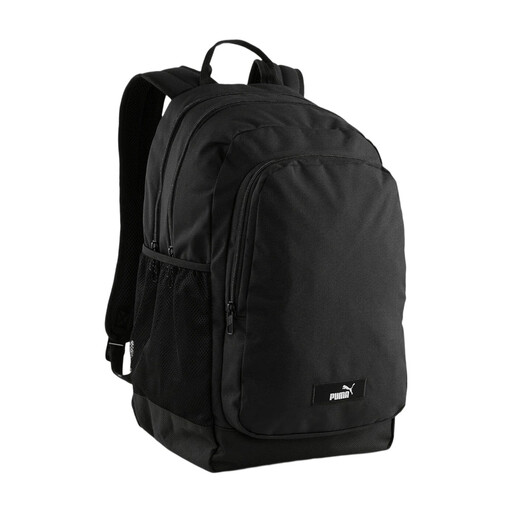
Why this fits the profile: A versatile choice for school, daily use and light commutes, with a clear, basic layout.
The two spacious compartments, front pocket and two side pockets make the layout concretely checkable, rather than just calling it “roomy”.
Approximately 24-litre capacity, padded shoulder straps and back panel, plus at least 70% recycled material according to the product information.
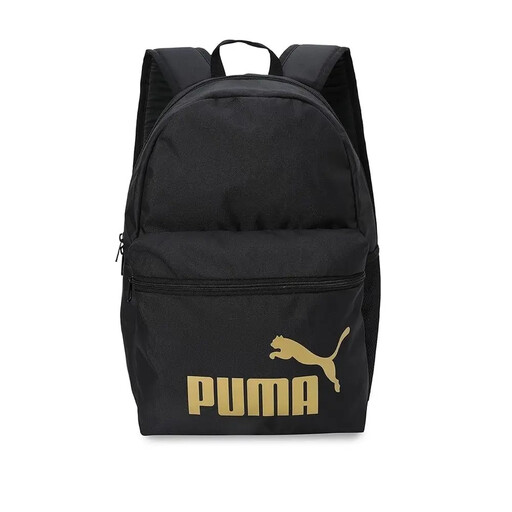
Why this fits the profile: Suitable for adults and older children who want a sporty backpack for school, work or sport, combined with a fixed capacity.
The capacity is specified as 22 litres and the dimensions are given as 44 × 30 × 14 cm, so you can estimate the carrying size in advance.
22-litre capacity, padded back panel, adjustable shoulder straps and at least 90% recycled material according to the product information.
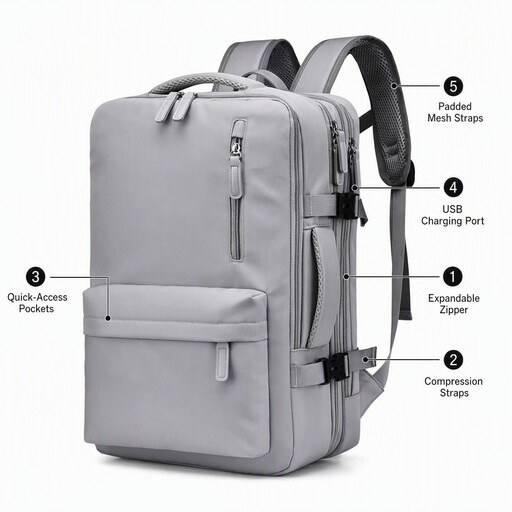
Why this fits the profile: Aimed at work, business travel and commuting when an expandable layout and laptop compatibility are important.
The product name mentions an expandable design and a size for a 15.6-inch laptop. Check the exact laptop dimensions and the closure mechanism before purchase.
Stated support for 15.6 inches, expandable business shape and water-resistant description.
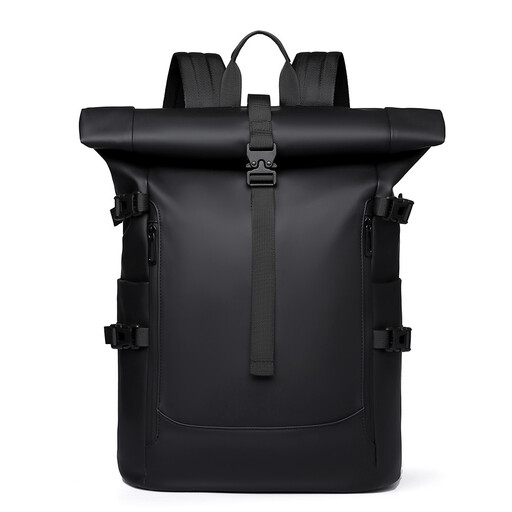
Why this fits the profile: The roll-top design suits daily cycling, urban travel and use where flexible storage space is desired.
The roll-top closure reduces an open top, while the product name mentions water repellency. Use additional protection in prolonged rain.
Roll-top design, stated support for 15.6 inches and a description focused on water-repellent daily use.
We’ve put together a full, up-to-date list of products that fully meet these strict selection criteria and comply with current European safety regulations.
No. The screen size is only one factor. The chassis can vary from laptop to laptop. So measure the length, width and thickness of your laptop and compare those values with the laptop compartment of the backpack.
That depends on the material, the zips, the seams, the weight and the conditions of use. A backpack that’s heavily loaded every day will wear out faster than a bag for light use. Check the zips and seams regularly and avoid consistently carrying more than you need.
For short trips in light rain, it can be practical, but water-repellent doesn’t automatically mean waterproof. For a laptop, paper documents or longer bike rides, use a rain cover or separate waterproof protection.
