
Vandaag of morgen in huis

Kwaliteit gegarandeerd

Welkomstaanbiedingen ontgrendelen: GRATIS bezorging | Tot 80% korting | Gratis 30 dagen JoyPlus-proefperiode
Download de app
A backpack seems easy to choose until you start using it every day. That’s when you find out whether the shoulder straps adjust properly, whether your belongings fit neatly and whether the fabric can withstand rain and wear. Marketing terms such as “extra spacious”, “ergonomic” or “water-repellent” don’t tell you much on their own. Always check the capacity, dimensions, materials and compartments in the product specifications.
1. Focusing only on litres
A 30-litre backpack has more room than a 20-litre model, but that doesn’t automatically make it suitable for everyday use. A large bag can be unnecessarily heavy or awkward if you mainly carry a laptop, lunch and sportswear. Check the dimensions and the backpack’s own weight too.
2. Confusing water-repellent with waterproof
According to the product description, polyester, nylon and coated materials may offer protection against light rain or damp. That doesn’t mean the backpack will stay waterproof for a prolonged period. If you cycle in changeable British weather, you may need extra protection, such as a rain cover or waterproof inner bag.
3. Assuming more compartments mean better organisation
A backpack with several compartments is practical if they’re large enough for your belongings. Small zipped pockets are handy for keys and accessories, but they can reduce the space in the main compartment. So check where your water bottle, books, clothes and electronics will actually fit.
Choose a capacity that suits how you’ll use the backpack:
A 20-litre backpack is usually compact. A 30-litre backpack gives you more flexibility for clothes and accessories. A 50-litre backpack is mainly worthwhile if you really need to carry a lot of kit.
Look for padded shoulder straps, a supportive back panel and straps that can be adjusted properly. For walking, hiking or trail running, a chest strap and sometimes a hip belt can help keep the bag stable. A breathable mesh panel may improve airflow, but it won’t prevent you from sweating in every situation.
Check the fit too. A unisex backpack can be worn by different people, but fit is still personal. For trail running, a close-fitting model is generally more practical than a loose school backpack.
Many models are made from polyester, nylon, polyamide or Oxford fabric. According to the manufacturer’s product description, coatings and woven fabrics may help improve wear resistance or water resistance. Treat these as product specifications, not as a guarantee of a particular lifespan.
Also check:
The legal guarantee in the EU for these products is at least two years; additional rights may apply under the relevant Dutch rules. Keep your order details and check the latest product information before buying.
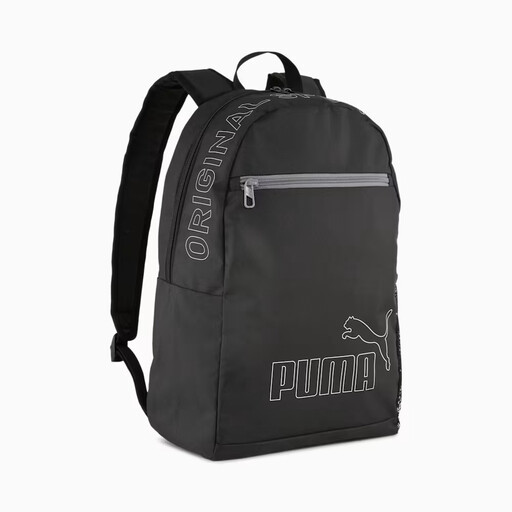
Why it suits this profile: With a capacity of around 20 litres, it’s a good fit for school, work, sport and everyday use, without needing to carry a large model.
The product specifications list a main compartment with a two-way zip, a front pocket and a mesh side pocket. This lets you assess the layout instead of relying on a vague claim that it’s “spacious”.
Around 20 litres, a padded back panel, adjustable shoulder straps and, according to the product information, at least 90% recycled materials.
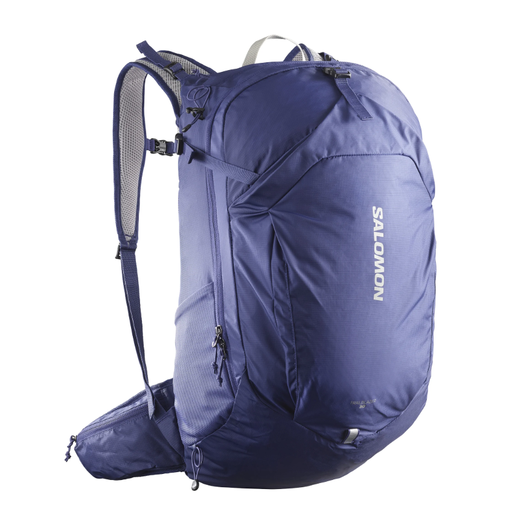
Why it suits this profile: This model is designed for people who want one backpack for day trips, city outings and everyday commuting.
Its 30-litre capacity is combined with several compartments and a lightweight, ergonomic design. This makes it easier to weigh up both the space and the organisation.
30-litre capacity, nylon and polyester fabric, breathable mesh on the shoulder straps and back panel, and several storage compartments according to the product description.
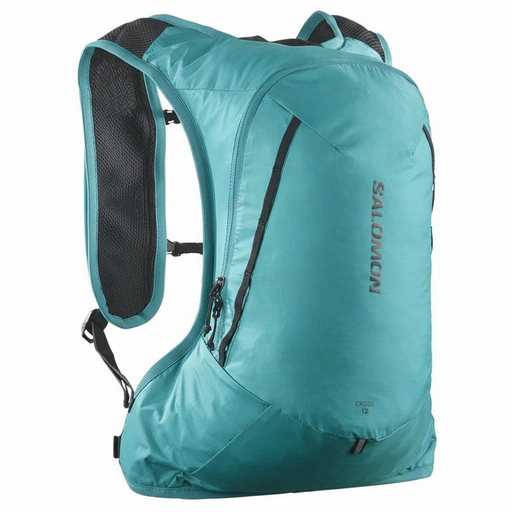
Why it suits this profile: This compact hiking backpack is designed for day walks and trail running, where a stable, lightweight carry solution matters.
Its 12-litre capacity means you won’t end up carrying an oversized bag on a short trip. The chest straps, shoulder strap pockets and reflective buckle are clearly specified features.
12 litres, polyamide outer material, padded back panel, dual chest straps and compatibility with a 1.5-litre hydration system; bottle not included.
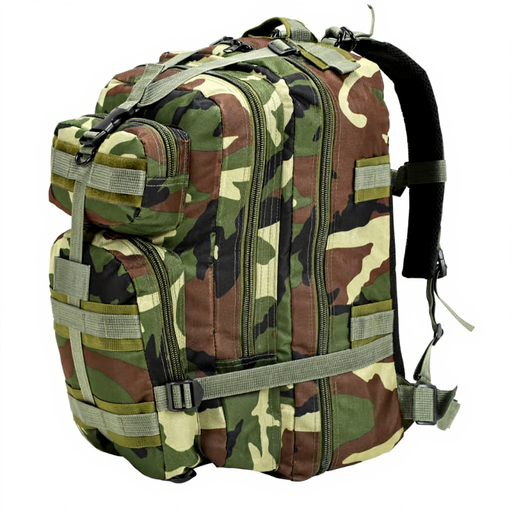
Why it suits this profile: Its large capacity is aimed at travel, hiking and outdoor activities where clothes and equipment take up plenty of space.
The stated capacity, dimensions, four compartments and adjustable chest and hip straps make it clear what you’re getting. This model is therefore less suitable if you only carry a few light everyday items.
50 litres, coated Oxford fabric, compression strap, adjustable chest strap and hip belt, plus a stated product weight of 1.15 kg.
We’ve put together a complete, up-to-date list of products that meet these strict selection criteria and the applicable European safety regulations.
For a laptop, books, lunch and a few accessories, 20 to 30 litres is usually practical. As well as checking the capacity, make sure your laptop will actually fit in the designated compartment. A smaller model may be enough if you’re only carrying sportswear and a bottle.
Always follow the manufacturer’s care instructions. Many models can be wiped clean with a damp cloth. Don’t assume that a coated backpack, or one with zips or padded sections, can go in the washing machine. Leave a damp bag to air-dry and avoid direct heat, unless the product information says otherwise.
A hiking backpack often has features such as chest or hip straps, a breathable back panel, compression straps and easy-to-reach pockets. These features aren’t essential for a short walk around town. For longer walks or a trail running backpack, stability, low weight and easy access to drinks matter more than a dedicated laptop compartment.
