
Vandaag of morgen in huis

Kwaliteit gegarandeerd

Welkomstaanbiedingen ontgrendelen: GRATIS bezorging | Tot 80% korting | Gratis 30 dagen JoyPlus-proefperiode
Download de app
A backpack may seem simple to choose, until you’re dealing with an uncomfortable shoulder strap every day, a laptop that isn’t properly protected or a main compartment that turns out to be too small. Online, product photos and marketing terms can make it especially hard to get a clear picture.
There are three common pitfalls:
The right choice depends on what you carry every day, how long you wear it and how you plan to use it. A school backpack, laptop backpack, travel backpack and compact everyday backpack each have different features.
Measure your laptop’s width, height and thickness. Then check both the maximum screen size and the dimensions of the laptop compartment. A backpack for a 15.6-inch laptop is a good fit when the compartment has enough room without letting the device move around inside the bag.
Check the external dimensions too. A bag measuring 30 × 43.5 × 18.5 cm may be suitable for commuting, but it takes up more space on a crowded train or in a bike bag than a compact daypack.
The Lenovo ThinkPad Professional 2nd Generation is described in the product information as suitable for laptops up to 15 inches, while the specifications state a maximum screen size of 16 inches. That’s exactly why you shouldn’t rely on the title alone when choosing a laptop backpack. Check the product page and the dimensions of your own device.
Capacity is usually measured in litres. For everyday use, 12 to 18 litres may be enough for a tablet, lunch and a few personal items. Students and commuters often need around 20 to 30 litres, especially if they’ll be carrying books, clothes or accessories.
A backpack with multiple compartments stops smaller items from getting lost at the bottom. Look for:
An expandable travel backpack is useful if you’re taking only a few things with you at the start of your journey but need extra space along the way. The HP Travel has a capacity of 25 litres, expandable to 30 litres, according to the product description.
A comfortable backpack has adjustable shoulder straps that don’t dig into your neck. A padded back panel and chest strap can make a difference if you walk or cycle for longer periods. Pack heavier items close to your back and avoid regularly overloading the bag.
The material alone doesn’t tell you everything about how long a bag will last. Oxford fabric, polyester and canvas can all be suitable, depending on the weave, coating, seams and zips. With a lightweight backpack, the bag’s own weight matters, but very thin material may be less suitable for heavy books or intensive everyday use.
A water-repellent backpack may offer protection from light rain. According to the product description, the NINETYGO Tiny Backpack has water-repellent fabric that’s easy to wash. That doesn’t guarantee the bag is waterproof. For delicate electronics, always use extra protection if you’ll be out in prolonged rain.
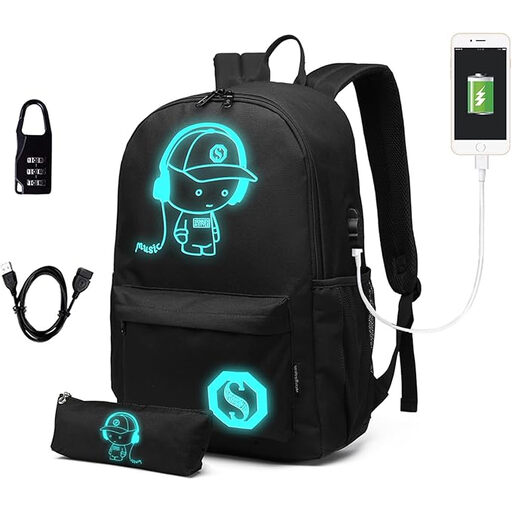
Why it suits this profile: This school backpack is aimed at school and university students looking for laptop space, eye-catching design and an organised layout.
The product information states that it has room for a laptop up to 15.6 inches, A4 books and notebooks. Still, check your laptop’s dimensions before you buy.
30-litre capacity, laptop compartment for devices up to 15.6 inches, multiple compartments, side pockets and an integrated USB port. Power bank not included.
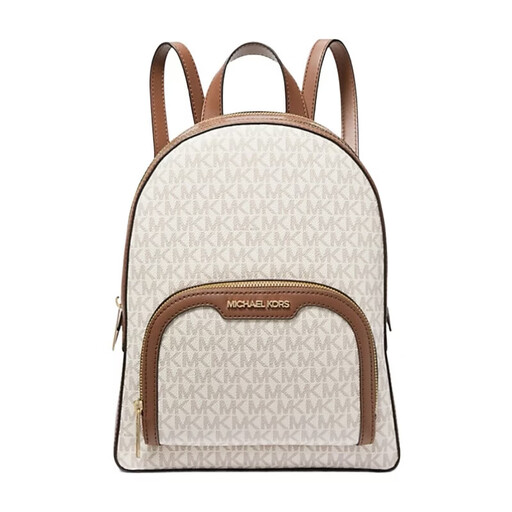
Why it suits this profile: A good choice if you’re looking for a stylish women’s backpack for the office, days out in town or a visit to another city.
The bag has a separate tech compartment, a front zip pocket and several interior pockets. So you don’t have to choose on looks alone.
Approx. 30.5 × 38 × 17.8 cm, made from coated canvas and polyester, with a separate tech compartment. The colour is vanilla, not black.
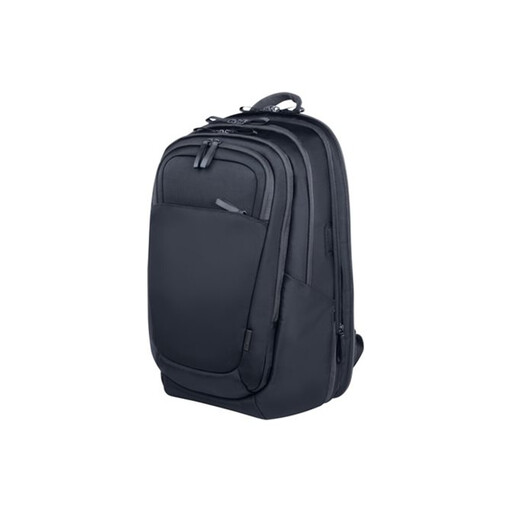
Why it suits this profile: A practical choice for commuters and travellers who want to carry a laptop, clothes and accessories in one travel backpack.
The capacity and compartments are clearly described. The bag also has a chest strap and instructions for distributing weight evenly.
25-litre capacity, expandable to 30 litres, suitable for a 15.6-inch laptop, with an RFID-blocking pocket and lockable zips. The bag is blue.
We’ve put together a complete, up-to-date list of products that meet these strict selection criteria and the applicable European safety regulations.
Around 20 to 25 litres is often practical for a laptop, a few books and lunch. If you carry sportswear, shoes or extra clothes, an expandable or spacious 25 to 30-litre backpack may be a better choice. As well as checking the capacity in litres, consider the shape of the main compartment.
Its lifespan depends on how heavily it’s used, the material, the zips and how well it’s cared for. A bag that’s packed too heavily every day will wear more quickly around the seams and shoulder straps. Stick to the recommended maximum capacity, clean the backpack according to the product instructions and store it somewhere dry.
No. The term water-repellent usually means protection from a limited amount of moisture, not complete waterproofing. Check the product specifications and use a laptop sleeve or rain cover in heavy rain. This will reduce the risk of damage to your electronics.
