
Vandaag of morgen in huis

Kwaliteit gegarandeerd

Welkomstaanbiedingen ontgrendelen: GRATIS bezorging | Tot 80% korting | Gratis 30 dagen JoyPlus-proefperiode
Download de app
A backpack may seem like a simple purchase, until you find yourself carrying an unsuitable model every day. A bag that is too small quickly becomes full, thin shoulder straps can dig into your shoulders and an awkward layout means your keys or charger always end up at the bottom. For school, work, commuting, sport and travel, there are several features worth considering.
A sporty backpack may look appealing, but that says little about comfort or organisation. Always check whether the shoulder straps are adjustable and padded. A padded back panel can also make the backpack more comfortable to carry when you are travelling for longer periods.
A spacious backpack is not automatically practical. A stated capacity of 20 to 24 litres is suitable for everyday essentials, books, clothing or sports equipment. If you also carry shoes, a coat and extra kit, it may be better to look for around 30 litres.
Also consider the shape. A bag with one large compartment may hold a lot, but without smaller pockets, accessories are easier to lose. A backpack with multiple compartments helps you keep your belongings organised.
Polyester and nylon may, according to product descriptions, be suitable for everyday use and light exposure to moisture. That does not automatically mean a backpack is fully waterproof. If you cycle through a typical Dutch rain shower, a separate rain cover or waterproof cover for electronics may be a sensible choice.
Choose the capacity based on what you regularly carry:
As well as the capacity in litres, check the dimensions. A bag measuring 45 cm high may be suitable for books or a laptop, but always check that your device will actually fit. Not every backpack has a separate laptop compartment.
Pay attention to three features:
A waist belt is particularly relevant for a hiking backpack or a heavier load. For a compact backpack for school or work, it is usually not essential.
Polyester and nylon are often used for lightweight backpacks. Polyester is generally easy to wipe clean; for some models, the product information states that cleaning with a damp cloth is sufficient. Check the zips, buckles and seams before buying. A sturdy zip and logically positioned compartments are more important for everyday use than eye-catching logos.
Claims about recycled materials should preferably be checked in the product information. For example, the specifications for various PUMA models state that at least 70% or 90% recycled materials have been used. This is a brand claim from the product specifications and is not a general guarantee about the product’s overall environmental impact.
A backpack for school benefits from a large main compartment, a front pocket and, if required, a separate compartment for a laptop or tablet. For a backpack for work, dimensions, protection for electronics and a simple layout are often more important than a sporty design.
A sporty backpack works well for the gym or short trips, especially if you can store clothing, a water bottle and accessories separately. For a backpack for travel, a generous capacity, sturdy zips and quick access to smaller items are useful. If you mainly go walking, it is better to focus on ventilation, fit and any chest or waist straps.
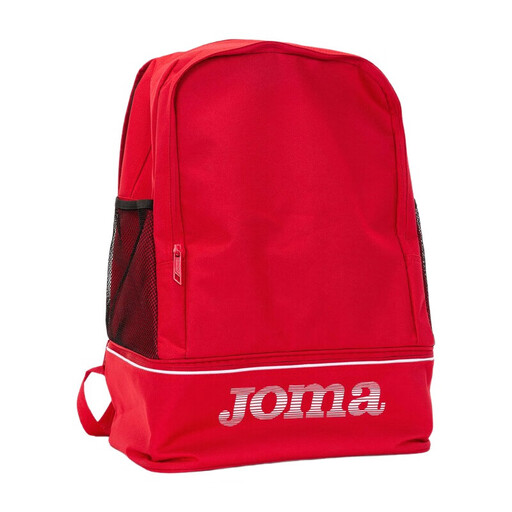
Why it suits this profile: This unisex backpack is designed for everyday use, sport and short trips. The main compartment and multiple pockets provide a simple way to organise your essentials.
The padded, adjustable shoulder straps mean you are not choosing based on appearance alone. The product description also mentions a lightweight material and multiple storage pockets.
Polyester material, padded shoulder straps and a spacious main compartment for the gym, everyday essentials or a short trip.
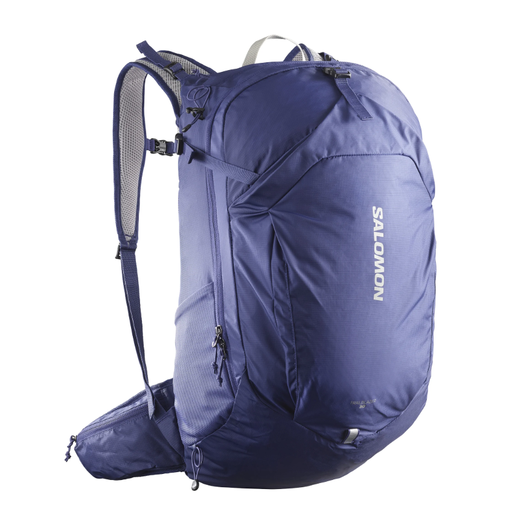
Why it suits this profile: With a capacity of 30 litres, this backpack is suitable for day trips, urban adventures and travel when you want to carry extra clothing or equipment.
The choice is not based on colour or shape alone: the specifications mention an improved back panel, mesh shoulder straps and multiple pockets.
30-litre capacity, an ergonomic design, and nylon and polyester fabrics according to the product information.
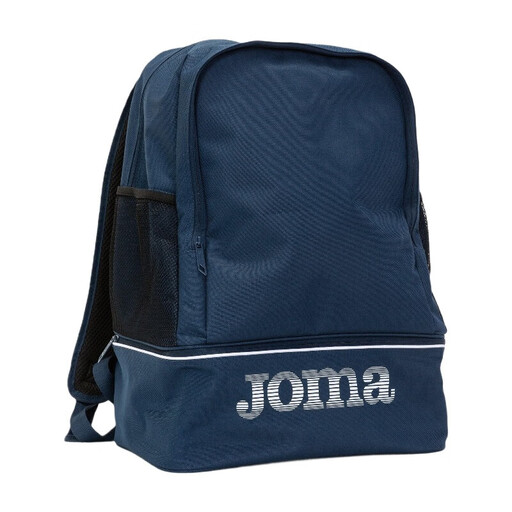
Why it suits this profile: With a capacity of 24.2 litres and a double base, this model is designed for sports gear, training clothes and everyday transport.
The double base helps keep the contents organised, so you do not have to rely solely on one large main compartment. According to the description, the straps are ergonomic and padded.
24.2-litre capacity, a double base, front pocket and inner pocket. According to the product information, it can be cleaned with a damp cloth.
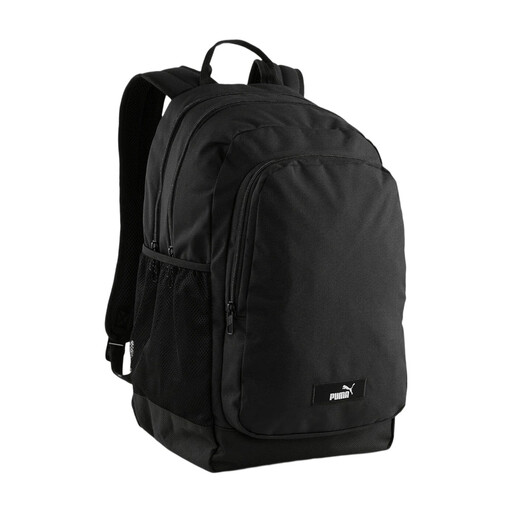
Why it suits this profile: Measuring 45 × 30 × 18 cm and with a capacity of around 24 litres, it has room for books, clothing and everyday accessories.
The two main compartments, front pockets and side pockets provide a more practical layout than a bag with just one large compartment.
Padded shoulder straps, a padded back panel, two side pockets and an inner pocket for devices up to the stated maximum size.
We have compiled a complete, up-to-date list of products that fully meet these strict selection criteria and the applicable European safety regulations.
For most everyday situations, 20 to 25 litres is a practical starting point. Also check the dimensions of your books, lunch box and laptop. Capacity in litres alone does not indicate how efficiently the interior space is organised.
Its lifespan depends on the weight carried, frequency of use, exposure to moisture and the quality of the zips and seams. Do not regularly exceed the stated capacity, and place heavy items close to the back panel. Under European Union law, the statutory guarantee for this product information is at least two years; additional rights may apply under national regulations.
Always follow the instructions on the packaging or provided by the manufacturer. For models where this is specified, you can remove stains with a damp cloth. Do not leave wet items in the bag for long periods, and only store the backpack once it is completely dry.
