
Vandaag of morgen in huis

Kwaliteit gegarandeerd

Welkomstaanbiedingen ontgrendelen: GRATIS bezorging | Tot 80% korting | Gratis 30 dagen JoyPlus-proefperiode
Download de app
In the Netherlands, a backpack often has to serve several purposes. The same bag goes to the office, on the train, to lectures, away for the weekend or out on a walking route. Yet many people choose one based on its appearance, a high litre capacity or a bold marketing claim. In practice, this can mean the bag is too heavy, too small for a laptop or awkward to use as hand luggage.
This buying guide compares the key features of a laptop backpack, travel backpack, cabin backpack, hiking backpack and trail running backpack. The selection below is based on verifiable product details such as dimensions, capacity, material, compartment layout and carrying design.
A 20- or 24-litre backpack may seem spacious, but the usable space depends on its shape and compartment layout. A laptop compartment, reinforced base and several smaller pockets also take up room. So check not only the capacity in litres, but also the external dimensions and how the interior space is divided.
Many backpacks are made from polyester or nylon with a water-repellent finish. This can help protect against light rain or splashes, but it doesn’t necessarily mean the contents will stay dry during a heavy downpour. Check whether the product description says water-repellent, anti-splash or fully waterproof. If you’re carrying valuable electronics, consider taking a separate protective case.
A specification such as “for 15.6-inch laptops” gives you a guide, but laptops vary in thickness and casing. Check your laptop’s dimensions and compare them with the available space. Also look at the padding, the compartment’s fastening and where it sits in the backpack.
If you’re looking for a Ryanair backpack, first check the airline’s current baggage rules. The Kono backpack in this selection measures 40 × 30 × 20 cm externally and has a stated capacity of around 24 litres. The manufacturer describes this size as suitable for placing under the seat as a personal item. As dimensions and conditions can vary by fare and airline, it’s still wise to check before you travel.
A trolley sleeve, sturdy handle and main compartment that opens fully are also useful in a backpack for work and travel. They make it easier to pack the bag and attach it to a suitcase.
A lightweight backpack isn’t just more comfortable because it weighs less when empty. The fit affects how it feels when you’re carrying a laptop, books or clothes. Look for:
According to the product description, the PELLIOT Trail Running Backpack uses an adjustable harness system. The stated sizes are S/M for a torso length of 38–46 cm and L/XL for 45–53 cm. Measure your torso from the prominent bone at the base of your neck to the top of your hip bones.
Polyester and nylon are often used to combine low weight with durability. However, their properties vary from one version to another. According to the product information, the PELLIOT has a durable, grid-pattern polyester construction. The Beneunder LC183 is described as using lightweight nylon and a fabric that resists wind, rain and stains.
Check the care instructions too. For the models mentioned, cleaning with a damp cloth or hand-washing is recommended. Machine washing and tumble drying can damage the material or coating.
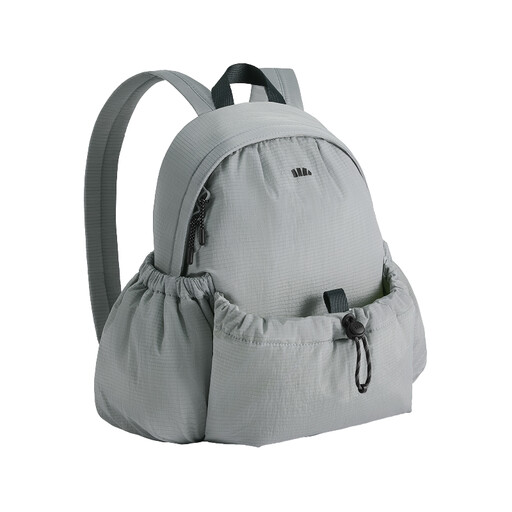
Why it suits this profile: This compact backpack is suitable for commuting, school and short trips when you don’t need to carry lots of things every day.
The capacity is clearly stated as 10 litres, expanding to 13 litres. This gives you a better idea of how much space is available before you buy.
Lightweight nylon, expandable capacity and concealed pockets. Its stated features are designed for everyday use and short walks.
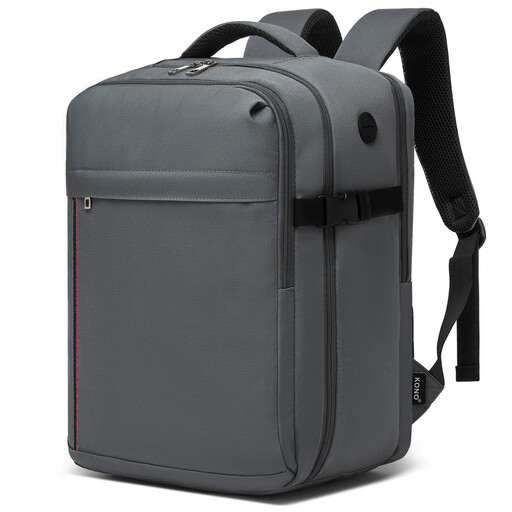
Why it suits this profile: This cabin backpack combines travel-friendly compartments with a separate padded section for a 15.6-inch laptop, making it suitable for business trips and short flights.
The external dimensions, weight of 0.5 kg and capacity of around 24 litres are all listed. Even so, check these measurements against your own ticket and fare.
Three compartments, a 180° opening, trolley sleeve, compression straps and a laptop compartment for laptops up to 15.6 inches.
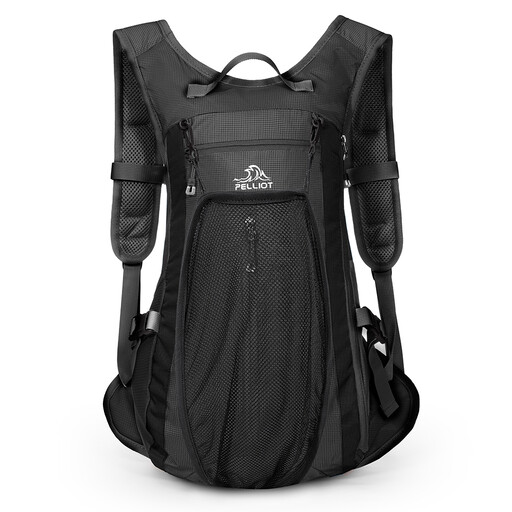
Why it suits this profile: This hiking and trail running backpack is designed for people who need a compact, secure-fitting bag for cycling, running or demanding outdoor activities.
The available sizes are matched to torso length and waist measurement. This gives you a more reliable guide than a one-size-fits-all option with no fit information.
Durable grid-pattern polyester according to the product information, breathable mesh and several pockets for a water bottle, phone, snacks and tools.
We’ve put together a complete, up-to-date list of products that meet these strict selection criteria and the current European safety regulations.
For commuting, 10 to 20 litres is often enough for a laptop, lunch, charger and personal belongings. Around 20 to 30 litres is more practical for a weekend trip. In addition to capacity, consider the compartments: a smaller bag with a well-organised interior may be more useful than a larger one with a single open main compartment.
No. The 15.6-inch rating is a guide. Check your laptop’s exact measurements and compare them with the laptop compartment. A padded compartment positioned close to the back panel also offers more stability in transit than a loose internal pocket.
Remove dirt with a soft, damp cloth and leave the backpack to air-dry completely. Don’t use harsh cleaning products, and only put the backpack in the washing machine if the manufacturer explicitly says it’s safe to do so. A water-repellent coating can gradually become less effective with heavy use.
