
Vandaag of morgen in huis

Kwaliteit gegarandeerd

Welkomstaanbiedingen ontgrendelen: GRATIS bezorging | Tot 80% korting | Gratis 30 dagen JoyPlus-proefperiode
Download de app
A backpack in the UK needs to stand up to daily use: cycling through a shower, hopping on and off the train, carrying a laptop, and sometimes stashing gym kit or groceries. Yet the choice can seem simpler than it really is. A backpack with lots of compartments isn’t automatically practical, and a model with a laptop sleeve won’t necessarily protect your computer from bumps or moisture.
The following points will help students, schoolchildren, commuters, professionals and travellers compare more effectively.
A capacity of 20 or 25 litres doesn’t tell you everything. The shape of the main compartment, the opening and how the pockets are arranged determine how much you can actually carry. A narrow backpack might look roomy on paper, but becomes awkward as soon as you want to pack a lunchbox, jacket and laptop side by side.
So don’t just check the litre capacity – also look at:
Terms like water-repellent and water-resistant don’t guarantee your belongings will stay dry in prolonged rain. With a water-repellent backpack, it’s usually the material or a finish that can help shrug off light drizzle. The zips, seams and openings remain weak points.
If you cycle every day, it’s worth checking whether:
A heavily loaded backpack feels especially uncomfortable when the shoulder straps are narrow or the back panel offers little support. Look for padded shoulder straps, a cushioned back panel and, on larger models, a chest strap. A proper fit matters more than a flashy logo or a huge number of pockets.
For a 15.6-inch laptop backpack, don’t rely solely on the screen size. Laptops have different bezels and casings. Check the maximum compatible dimensions in centimetres when that information is available. The HP Travel 25L, for example, states support for a screen size of up to 39.6 cm (15.6 inches).
A laptop compartment is especially practical if the device doesn’t slide around loose against hard objects. For daily commuting, also take a protective sleeve if the product description doesn’t mention specific shock protection.
For a school backpack, a roomy main compartment and a separate section for smaller items are usually more useful than just one large space. For a work backpack, a laptop compartment, cable organiser and easy access also count.
As a rough guide:
This breakdown isn’t a fixed rule. A backpack with a clever pocket layout can be more practical than a larger model without compartments.
Polyester and recycled synthetic materials are common in everyday backpacks. Check whether the manufacturer states the material composition, and look closely at the seams, base and zips in product photos.
According to the product information, the PUMA Academy Backpack is made from at least 70% recycled materials and the Phase Backpack from at least 90% recycled materials. This is information from the brand’s product description and not a guarantee of a specific lifespan.
Also pay attention to the empty weight. A lightweight backpack leaves more room within your carrying limit, but a sturdier model may have a better-padded back panel or stronger zips.
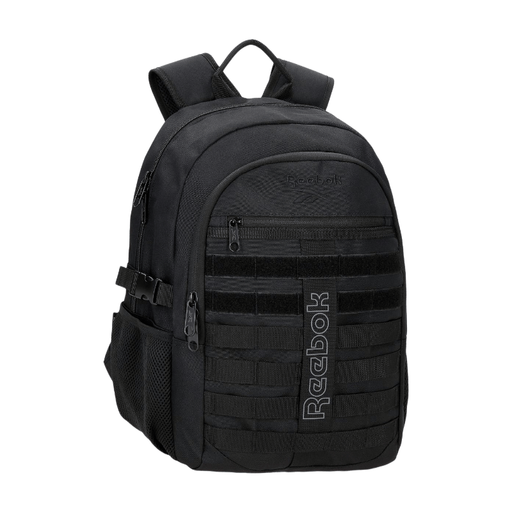
Why this fits the profile: This model is designed for everyday use at school, work, the gym and short trips. Its sporty look suits a range of clothing styles.
The product description mentions a roomy main compartment and extra pockets, so small items don’t all end up at the bottom of one large space.
Spacious main compartment, additional pockets and adjustable shoulder straps according to the product information.
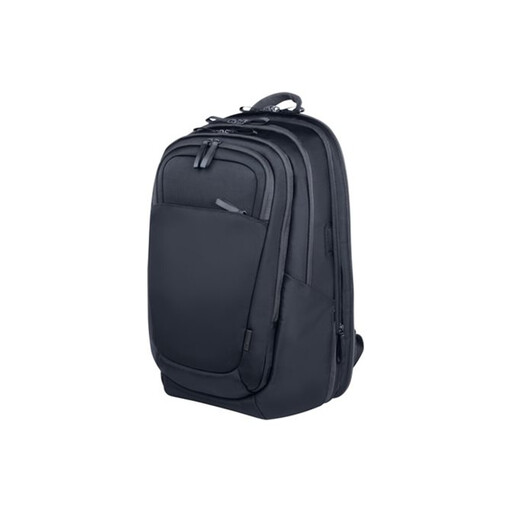
Why this fits the profile: This is a business backpack for professionals and travellers who want to carry their laptop, clothes and accessories in an organised way.
The capacity expands from 25 to 30 litres. This means you can pack compactly for daily use and make use of extra space on a short trip.
Suitable for laptops up to 15.6 inches, 25-litre capacity, expandable to 30 litres, and features a chest strap and multiple storage compartments.
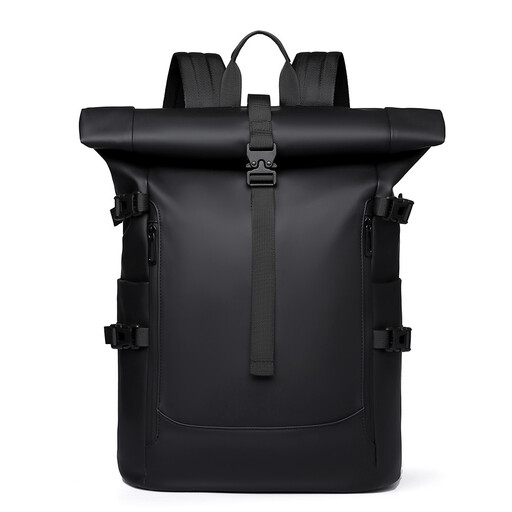
Why this fits the profile: The roll-top design suits cyclists, commuters and urban users looking for a flexible backpack for work or the daily commute.
The product name mentions a water-repellent design. This can help in light rain, but doesn’t rule out using a laptop sleeve in bad weather.
Laptop compatibility up to 15.6 inches, roll-top closure and a layout for work, cycling and urban travel according to the product description.
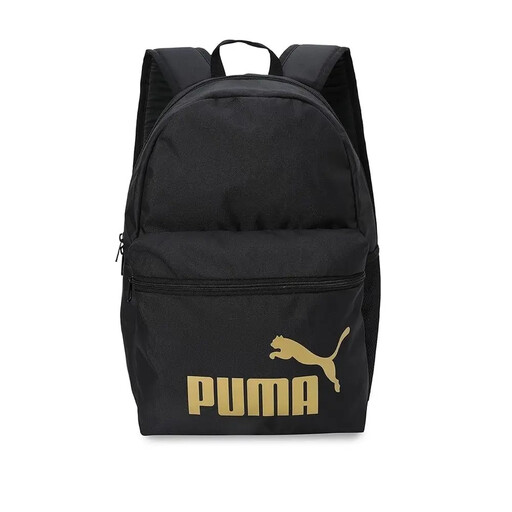
Why this fits the profile: This sporty backpack offers a straightforward base for school, daily use and carrying gym kit.
The stated capacity of 22 litres and the main compartment with a two-way zip give you more certainty than a model that only says “roomy”.
22-litre capacity, padded back panel, adjustable shoulder straps and a mesh side pocket according to the product information.
We’ve put together a full, up-to-date list of products that fully meet these strict selection criteria and comply with current European safety regulations.
Choose a model whose product information explicitly states 15.6 inches or 39.6 cm. Also check the internal dimensions of the laptop compartment and use a protective sleeve if no shock protection is mentioned.
The lifespan depends on the load, material, seams, zips and usage conditions. A backpack that is heavily loaded every day will wear out faster than one used lightly. Distribute the weight, don’t overload the pockets and store the backpack in a dry place.
Not always. Water-repellent material is mainly intended for light drizzle. In prolonged rain, a rain cover and a separate laptop sleeve are sensible additions. Always check exactly what the manufacturer says about moisture resistance.
