
Vandaag of morgen in huis

Kwaliteit gegarandeerd

Welkomstaanbiedingen ontgrendelen: GRATIS bezorging | Tot 80% korting | Gratis 30 dagen JoyPlus-proefperiode
Download de app
A backpack might seem easy to choose, until you find yourself dealing with a laptop compartment that’s too small, straps that dig in or a bag that won’t fit under the seat in front of you. Marketing terms such as “large capacity”, “water-repellent” and “ergonomic” don’t tell you much if the dimensions, materials and layout aren’t clear.
So, look out for these three common pitfalls:
Below, you’ll find the key things to check, followed by backpacks for different needs.
For everyday use, the external dimensions matter just as much as the number of litres. A school backpack of around 20 to 25 litres may be suitable for books, lunch and accessories. If you need space for a laptop, clothes and travel essentials, you’ll often want a larger backpack of around 24 litres or more.
When choosing a cabin baggage backpack, always check:
A model with a 15.6-inch laptop compartment won’t necessarily have the same internal space for every laptop. So, check the stated compartment dimensions too, if they’re available.
Polyester and Oxford fabric are often used for a lightweight backpack. A coating or water-repellent finish can help protect against splashes and light rain. That’s different from a fully waterproof construction with sealed seams.
For a water-repellent backpack, these details are particularly relevant:
Don’t use harsh cleaning products on coated materials. A soft, slightly damp cloth is generally a safer option, unless the manufacturer advises otherwise.
A backpack for women or men should suit your style as well as the way you carry it. Look for adjustable, padded shoulder straps, a padded back panel and a handle that feels sturdy.
For commuting, a separate laptop compartment, an easy-access front pocket and a trolley sleeve are practical additions. A backpack with a USB port can be useful if you use a power bank on the go. The power bank itself isn’t always included, and the USB port will only charge devices when connected to an internal cable and an external power bank.
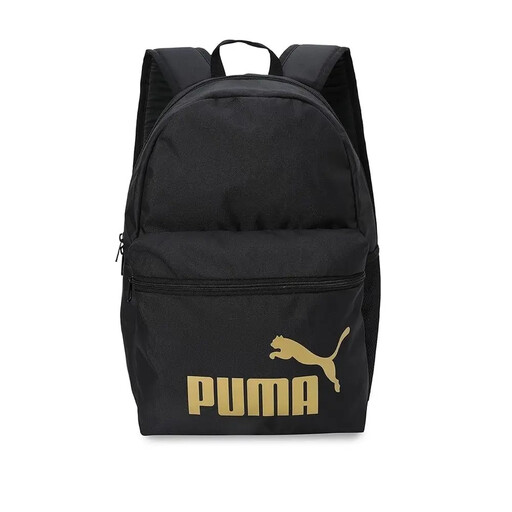
Why it suits this profile: This backpack offers a straightforward, well-organised option for school, sport and everyday use, without complicated extra features. According to the product specifications, it has a capacity of 22 litres.
The 22-litre main compartment is complemented by a front pocket and mesh side pocket, so you don’t have to rely on one large compartment for everything.
22-litre capacity, padded back panel, adjustable shoulder straps and a stated composition containing at least 90% recycled materials.
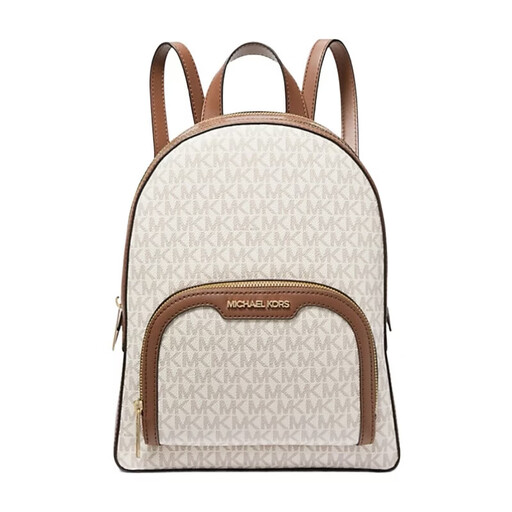
Why it suits this profile: This model combines a polished look with an internal tech compartment and pockets for smaller items. It’s well suited to the office, city life and commuting.
The stated dimensions of approximately 30.5 × 38 × 17.8 cm make it easier to judge the bag’s size than a model that only gives a capacity figure.
Coated canvas made with polyester and polyurethane, a tech compartment, a zipped front pocket and several internal pockets.
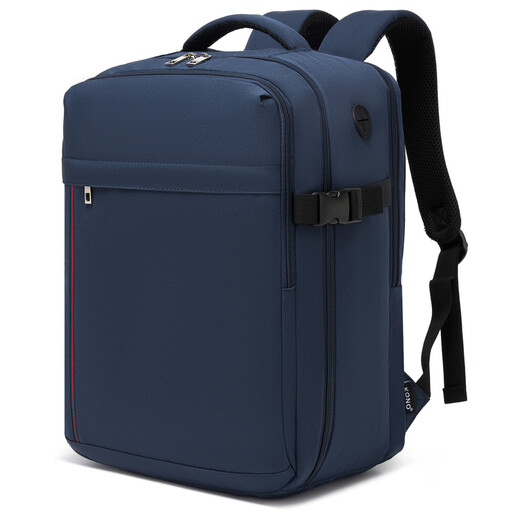
Why it suits this profile: This travel backpack is designed for short trips, business travel and commuting. Its stated external dimensions are 40 × 30 × 20 cm, and it has a capacity of around 24 litres.
The fixed dimensions make it easier to compare the bag with personal-item rules. Always check your airline’s current conditions before travelling; a fully packed bag may measure differently.
0.5 kg empty weight, water-repellent polyester, laptop compartment for laptops up to 15.6 inches, compression straps and a trolley sleeve.
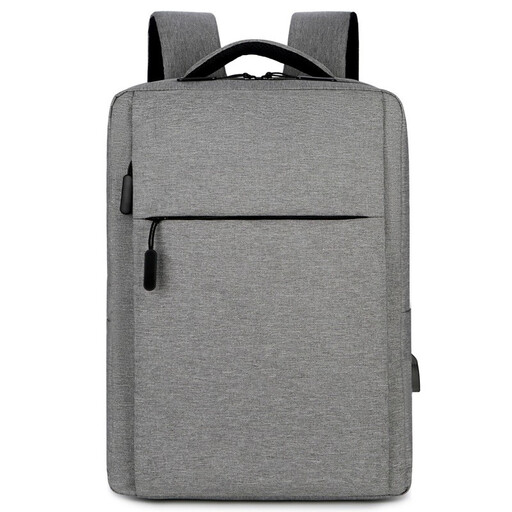
Why it suits this profile: The combination of a laptop compartment, USB port and water-repellent description makes it a good fit for everyday travel between home, campus and the office.
The laptop size is clearly stated. You’ll need to connect the USB function to your own power bank, though; one isn’t automatically included.
Suitable for laptops up to 15.6 inches, lightweight design, USB charging port and a water-repellent product description.
We’ve put together a complete, up-to-date list of products that meet these strict selection criteria and the applicable European safety regulations.
A water-repellent backpack can help protect against light rain and splashes. In prolonged or heavy rain, it’s a good idea to use extra protection, such as a rain cover or waterproof laptop sleeve. Always check whether the product information says only “water-repellent” or describes a genuinely waterproof construction.
Around 20 to 25 litres is often practical for a laptop, a few books and everyday accessories. If you also carry sportswear, lunch or travel essentials, you may want to consider a larger backpack. Look at the compartment layout and laptop size as well as the capacity in litres.
Not necessarily. These dimensions are often used for a personal item, but baggage allowances and airline rules can vary depending on your ticket and route. Measure the backpack on the outside and check Ryanair’s current conditions before travelling. Make sure, too, that the backpack doesn’t bulge when fully packed.
