
Vandaag of morgen in huis

Kwaliteit gegarandeerd

Welkomstaanbiedingen ontgrendelen: GRATIS bezorging | Tot 80% korting | Gratis 30 dagen JoyPlus-proefperiode
Download de app
A backpack may seem easy to choose, until you find yourself dealing with an ill-fitting laptop compartment, awkward pockets or shoulder straps that dig in. Marketing terms such as “large capacity”, “waterproof” and “laptop-friendly” don’t always tell you enough about how a bag will perform in everyday use.
Focus instead on details you can check: dimensions, capacity in litres, material, type of fastening and maximum laptop size. That way, you can find a laptop backpack, travel backpack, school backpack or work backpack to suit your routine in the Netherlands.
A backpack for a 15.6-inch laptop won’t necessarily fit every laptop of that size. The bag’s external dimensions, the thickness of the laptop compartment and the level of protection around the device can all vary. Check the stated maximum screen size and compare it with your laptop’s dimensions.
A laptop compartment without sturdy padding also offers less protection from knocks. Ideally, put your laptop in the designated compartment and spread heavier items around the bag.
The terms waterproof, water-repellent and water-resistant aren’t always used consistently. A water-repellent backpack may help keep out light rain, but that doesn’t mean the seams, zips and contents will stay dry for extended periods.
Check the product description for specific details about the material, coating and fastening. For a commute in changeable weather, a roll-top fastening or covered zip is useful. A separate protective case may still be a good idea for electronics.
A 30-litre backpack isn’t necessarily more practical than a 20-litre model. A large bag can feel uncomfortable when it’s empty and may tempt you to carry too much. Consider the layout too: a main compartment, front pocket, side pockets and separate laptop compartment can make everyday use more organised.
A medium-sized bag is often enough for school or everyday use. A 13-litre model may suit children or a light day’s essentials. If you’re carrying clothes, accessories or travel essentials, you’re more likely to need 24 to 30 litres.
Always check the dimensions in centimetres. A backpack measuring 45 × 30 × 18 cm will feel different to carry from a compact model, even if their capacities seem similar.
Look for padded shoulder straps, a padded back panel and adjustable straps. A chest strap can help keep the shoulder straps in place when cycling or walking. The bag’s own weight matters too: according to the product details, the HP Travel backpack weighs around 860 grams, while an ultralight model is particularly appealing if you want to carry as little extra weight as possible.
A bag shouldn’t be consistently overfilled. For example, the HP Travel product information warns against loading the backpack beyond its maximum capacity.
Polyester and nylon are widely used in laptop and travel backpacks. A coating can affect resistance to light rain, but always check exactly what the manufacturer says. Canvas can give a bag a casual look, while synthetic materials are often easier to wipe clean.
For a work backpack, a neutral colour, a separate laptop compartment and pockets for cables or documents are useful. For a sporty backpack, low weight, ventilation and easy-to-reach side pockets matter more. A child’s backpack should fit their height and shouldn’t be unnecessarily large or heavy.
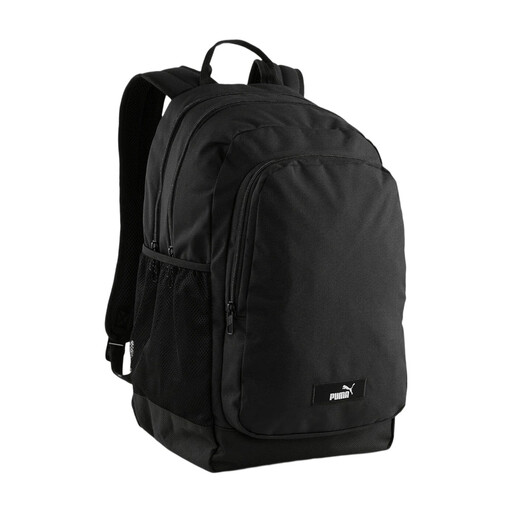
Why it suits this profile: With a capacity of around 24 litres, two main compartments and several pockets, this is a practical choice for school, everyday use or commuting, without an overtly businesslike design.
The capacity, dimensions of 45 × 30 × 18 cm and number of pockets are clearly stated. That means you don’t have to rely on the vague claim that it’s “roomy”.
Padded shoulder straps and back panel, two mesh side pockets and, according to the product details, at least 70% recycled materials.
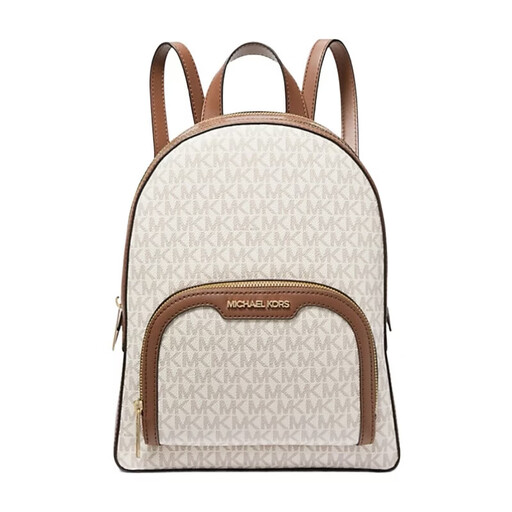
Why it suits this profile: This backpack is designed for anyone who values a polished look and an organised interior for the office, getting around town or a day out in the city.
The bag has a separate tech pocket, a zipped front pocket and several interior pockets. That gives you a clearly organised layout rather than simply promising “plenty of storage”.
Measures around 30,5 × 38 × 17,8 cm and is made from coated canvas with polyester and polyurethane, with gold-tone metal detailing according to the product information.

Why it suits this profile: Hikers and travellers looking for a lightweight, foldable backpack could consider this model as a compact extra bag.
The product name specifies 30D nylon, ultralight, foldable and waterproof. Before buying, check the full specifications and don’t assume this bag will automatically protect your electronics.
Made from 30D nylon and foldable, according to the product listing; designed for hiking and travel where keeping the bag’s own weight low matters.
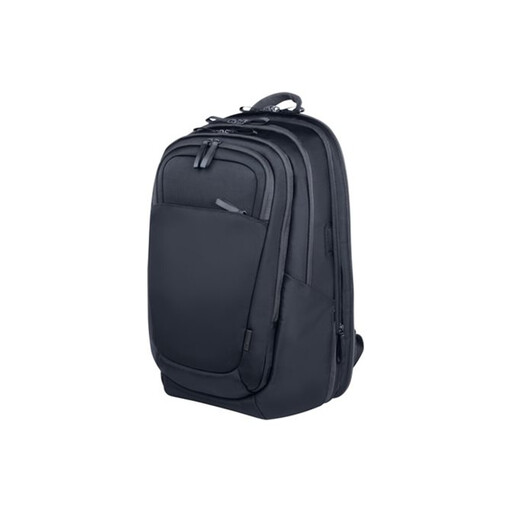
Why it suits this profile: This laptop backpack is designed for commuting, short business trips and anyone who wants to carry a laptop, clothes and accessories in one bag.
The capacity is clearly stated: 25 litres, expandable to 30 litres. The maximum laptop size of 15.6 inches, weight and external dimensions are also listed.
Expandable from 25 to 30 litres, with chest straps, lockable zips and a hidden RFID-blocking pocket according to the product description.
We’ve put together a complete, up-to-date list of products that meet these strict selection criteria and the applicable European safety regulations.
It depends on what you carry. A capacity of 13 to 20 litres may be enough for lunch, a coat and a few accessories. If you’re carrying a laptop, sports kit or documents, 20 to 30 litres is more practical. Check the width and height as well as the capacity, so the bag suits your body and how you travel.
No. The 15.6-inch measurement refers to the screen size, not the laptop’s overall dimensions. Compare your laptop’s measurements with those of the laptop compartment, and allow for any protective padding or a case.
Its lifespan depends on the material, how heavily it’s loaded, exposure to moisture, how often the zips are used and how well it’s maintained. Don’t overfill the bag, avoid leaving wet items inside for long periods and follow the care instructions. You can often clean a synthetic backpack with a slightly damp cloth; don’t use harsh products unless the product information says they’re suitable.
