
Vandaag of morgen in huis

Kwaliteit gegarandeerd

Welkomstaanbiedingen ontgrendelen: GRATIS bezorging | Tot 80% korting | Gratis 30 dagen JoyPlus-proefperiode
Download de app
A backpack may seem like a simple purchase, until you have to carry an ill-fitting bag every day. A school backpack that is too small leaves belongings loose, thin shoulder straps quickly become uncomfortable, and a bag described only as “waterproof” may still let water in during a typical British downpour.
For school pupils, students, cyclists, athletes, hikers and travellers, three common pitfalls are particularly important:
First, consider what you usually carry. A sporty backpack for clothing and a water bottle needs different features from a school backpack for books and a laptop. For a short walk, a lightweight backpack is often sufficient, while a trekking backpack for several days needs more support and attachment points.
When comparing backpacks, pay attention to these points:
The capacity in litres gives you an indication of the available space, but it does not tell you how efficiently that space is organised. In practice, a 22-litre bag with a spacious main compartment and a front pocket may be more useful than a larger bag without any structure.
Also check the dimensions. A bag measuring 45 × 30 × 18 cm will fit differently from a compact model measuring 43 × 30 × 14 cm. For school and work, the maximum compatible device size is also relevant. The PUMA Academy Backpack states a maximum compatible device size of 18.7 inches; always check that this matches your laptop or tablet. A backpack with a laptop compartment is only suitable if the compartment actually offers the right size and protection.
Look for padded shoulder straps, a padded back panel and plenty of adjustment options. On a hiking or trekking backpack, a chest strap and hip belt are useful for distributing the load more effectively. Keep heavy items close to the back panel and avoid allowing the bag to hang unnecessarily high or at an angle.
For intensive cycling or trail running, a stable fit is more important than maximum capacity. A compact model of 10 to 20 litres may therefore be more practical than a large backpack that shifts around while you move.
Polyester, nylon and coated Oxford fabric are common materials. However, a product name containing “waterproof backpack” is not a complete technical guarantee. Check whether the product information mentions a coating, waterproof zips, taped seams or an included rain cover. Without these details, it is safer to assume protection against light rain rather than long-lasting waterproofing.
Even strong materials require careful use. Sharp objects can damage fabric, while prolonged exposure to sunlight can cause coatings to deteriorate. Always follow the product’s care instructions.
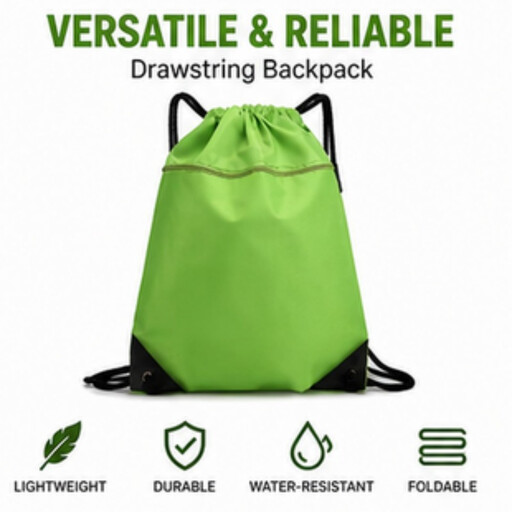
Why it suits this profile: This drawstring backpack is suitable for carrying light items to the gym, swimming pool or a short activity. Its simple design provides quick access.
The zipped pocket stops small items from getting lost among clothing or sports accessories. Its limited structure makes it clear that this is not a bag for heavy schoolbooks.
Lightweight drawstring design with a separate zipped pocket; suitable for sports, the gym and swimming.
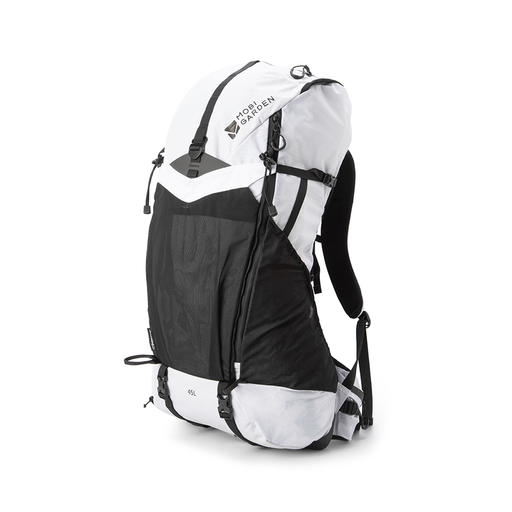
Why it suits this profile: This model is designed for backpacking, hiking and trekking, with a capacity of 45 litres and a weight of approximately 1.35 kg.
The product information lists specific dimensions, capacity, a hip belt and a chest strap. This allows you to adjust the bag more effectively than a model making only a general comfort claim.
45-litre capacity, separate waterproof hydration compartment, 3D-ventilated back panel and external attachment points.
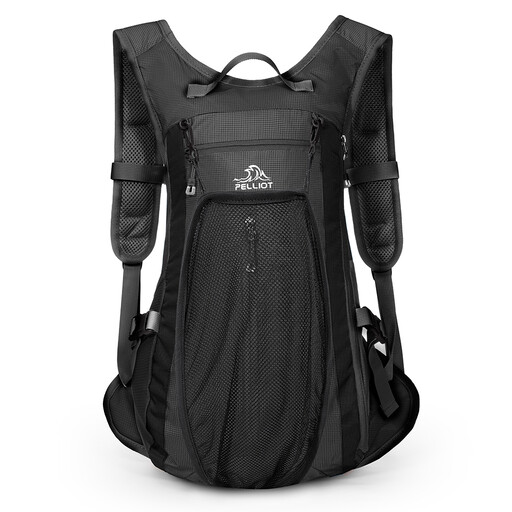
Why it suits this profile: The adjustable sizing and compact capacity make it suitable for trail running, cycling and other activities where a stable fit matters.
The sizing is linked to torso length and waist measurement. This helps you avoid simply choosing a one-size-fits-all model that could shift while you move.
10–20 litres of capacity depending on the size, multiple compartments and an ergonomic harness according to the product description.
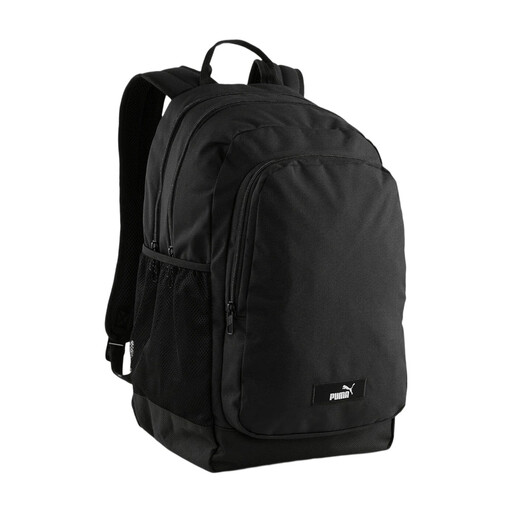
Why it suits this profile: With a capacity of approximately 24 litres, two main compartments and side pockets, this model is suitable for school pupils, students and adults who carry several items every day.
The dimensions of 45 × 30 × 18 cm and the stated device size provide more useful guidance than simply describing a bag as “roomy”. Do check your own equipment.
Padded shoulder straps and back panel, two-way zips, two side pockets and material made with at least 70% recycled raw materials according to PUMA.
We have put together a complete, up-to-date list of products that fully meet these strict selection criteria and the applicable European safety regulations.
For everyday use, a capacity of around 20 to 25 litres is often a good choice. This provides room for books, lunch, clothing and accessories. Measure your laptop or tablet before buying a model; the stated capacity in litres says nothing about the dimensions of a device compartment.
Place heavy items close to your back, adjust both shoulder straps evenly and make sure the bag does not hang unnecessarily low. On a hiking backpack, use the chest strap for extra stability. A hip belt can help transfer some of the load from your shoulders to your hips.
Its lifespan depends on the material, load, weather and maintenance. Overloading, sharp objects and prolonged exposure to moisture will shorten its usable life. Clean the bag according to the product instructions, allow it to dry completely and regularly check the zips, seams and attachment points. This will help you spot in good time when replacement is needed.
