
Vandaag of morgen in huis

Kwaliteit gegarandeerd

Welkomstaanbiedingen ontgrendelen: GRATIS bezorging | Tot 80% korting | Gratis 30 dagen JoyPlus-proefperiode
Download de app
A backpack may seem like a straightforward purchase at first. But buying the wrong one is all too easy if you choose the wrong size, misunderstand material claims or pick a layout that doesn’t suit how you’ll use it. A bag that looks suitable as hand luggage may turn out to be too large at the gate. A laptop backpack may look spacious but offer too little protection. And a lightweight model won’t necessarily be comfortable when it’s heavily loaded.
Use these practical checks to compare backpacks on the features that really matter in the UK: dimensions, comfort, laptop protection, capacity and rain protection.
A capacity of 20, 24 or 40 litres doesn’t tell you everything. Two backpacks with the same capacity can feel very different to use because of their shape. A narrow bag is often more convenient for commuting, while a wide opening works better when you want to pack clothes for a weekend away.
Pay attention to the layout too. A large main compartment with no pockets can be impractical for chargers, documents and small accessories.
Airlines set their own size limits for personal items and cabin baggage. For example, a Ryanair backpack must meet the airline’s current requirements. Always check the official baggage rules before you travel. Look at the external dimensions, including any protruding handles and side pockets.
A backpack measuring 40 × 20 × 25 cm isn’t the same as one measuring 40 × 30 × 20 cm. Both may be marketed as cabin backpacks in different situations, but permitted dimensions and conditions can vary depending on your ticket type.
A waterproof backpack should protect against water getting inside, but not every product description backs up this claim with a hydrostatic head rating, taped seams or an IP rating. “Water-resistant” or “water-repellent” usually means it can keep out light rain for a while. That’s not the same as lasting protection in a heavy downpour.
If you’re carrying electronics, pack a separate protective sleeve or dry bag just in case.
Choose a size to suit how you’ll use it:
A spacious backpack is only practical if the shoulder straps, back length and hip belt are suitable for the weight. For a hiking or trekking backpack, check whether the back panel is adjustable too.
When choosing a 15.6-inch backpack, don’t just look at the maximum screen size. Laptops with the same screen size can have different body dimensions. Check your laptop’s measurements and compare them with the stated compartment size.
A padded compartment helps protect your laptop from knocks during everyday transport, but it can’t guarantee protection if the bag is dropped. Place your laptop with its vulnerable side facing inwards, and make sure heavy items aren’t pressing against it.
Look for:
An everyday laptop backpack doesn’t need an elaborate carrying system. For a 40L hiking backpack, a well-fitting frame or hip belt is much more important. Adjust the straps before fully packing the bag.
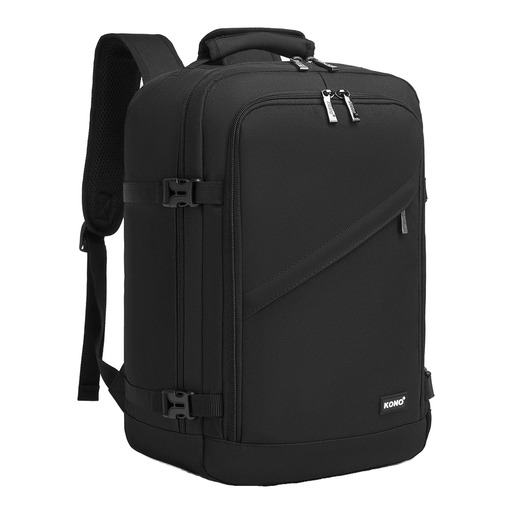
Why it suits this profile: With stated external dimensions of 40 × 20 × 25 cm and a capacity of 20 litres, this model is designed for short flights and trips where you want to place your bag under the seat. Always check your airline’s current rules before travelling.
The dimensions and capacity are clearly stated, so you don’t have to rely on a general term such as “cabin backpack”.
20-litre capacity and a compact design for short trips and everyday use.
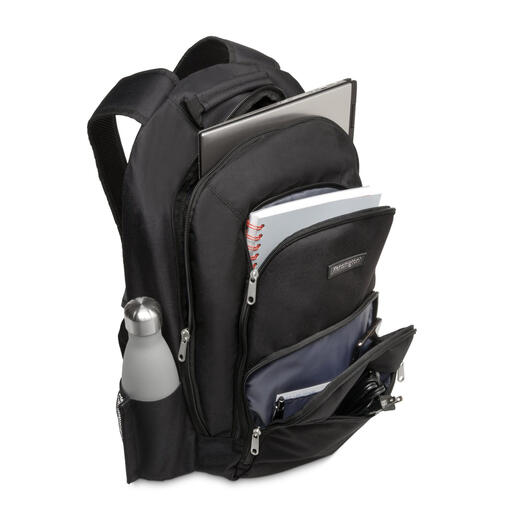
Why it suits this profile: This model is designed for work, study and commuting. The product information specifies 1680 denier nylon, a laptop compartment for devices up to 39.6 cm and several accessory pockets.
The maximum laptop size and bag dimensions are specified. Check that your laptop’s casing fits within 33 × 18 cm.
Nylon construction, a padded laptop compartment, multiple pockets and a stated weight of 710 grams.
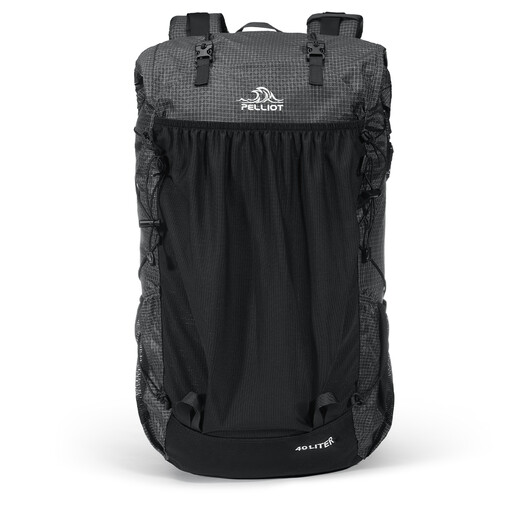
Why it suits this profile: With a stated capacity of 40 litres, a built-in aluminium frame and adjustable sizing, this backpack is designed for trekking, camping and multi-day hikes.
The size options are based on torso and waist measurements. This lets you adjust the carrying system more precisely than you could with a standard daypack.
40-litre capacity, frame, hip belt pockets and attachment points for hiking gear.
We’ve put together a complete, up-to-date list of products that meet these strict selection criteria and the applicable European safety regulations.
That depends on the airline, ticket and type of baggage. Check the current rules and compare them with the backpack’s full external dimensions. A bag that needs to fit under the seat often has stricter size limits than cabin baggage for the overhead locker.
Its lifespan depends on the material, load, weather conditions and how often you use it. A bag that’s packed heavily every day will wear faster around the shoulder straps, zips and base. Clean your backpack according to the product instructions and avoid overloading it.
Water-resistant material can be practical in light rain. For prolonged rain, extra protection is a good idea, such as a rain cover or waterproof liner. Check whether the manufacturer specifically states that the backpack is waterproof; a general claim without a test rating tells you little about how well it will protect your belongings over time.
