
Vandaag of morgen in huis

Kwaliteit gegarandeerd

Welkomstaanbiedingen ontgrendelen: GRATIS bezorging | Tot 80% korting | Gratis 30 dagen JoyPlus-proefperiode
Download de app
A backpack might seem simple to choose, until you notice every day that the shoulder straps dig in, your belongings don't fit, or a rain shower still manages to get inside. What's more, marketing terms like "waterproof", "ergonomic" and "large capacity" don't always tell the full story.
So before you buy, watch out for three common pitfalls:
Choose the capacity based on how you'll use it:
Don't just look at the litre capacity. Also check the dimensions, because a wide backpack can be less practical in a bike pannier, locker or under a seat. An expandable backpack is handy when you sometimes need extra space, but check that the bag remains comfortable to wear when extended.
Many backpacks are made from polyester, nylon or a combination of the two. Nylon is often known for being flexible and lightweight; polyester is widely used for its shape retention and everyday durability.
Pay attention to the precise wording in the product information:
For example, the product description for the Beneunder LC183 states that the fabric is resistant to wind, rain and stains. That's no guarantee that the contents will stay dry in prolonged rain. For electronics in bad weather, consider using a separate cover.
A comfortable backpack for commuting ideally has adjustable, padded shoulder straps and a back panel that doesn't feel unnecessarily hard. For hiking, ventilation, a stable fit and good weight distribution are more important than just a low weight alone.
Also check the pockets:
A backpack with multiple compartments can be more organised, but lots of zips and dividers can also reduce the available main space.
The choices below are linked to verifiable details from the product descriptions. Always check the current sizing, stock, colour and compatibility with your own equipment before ordering.
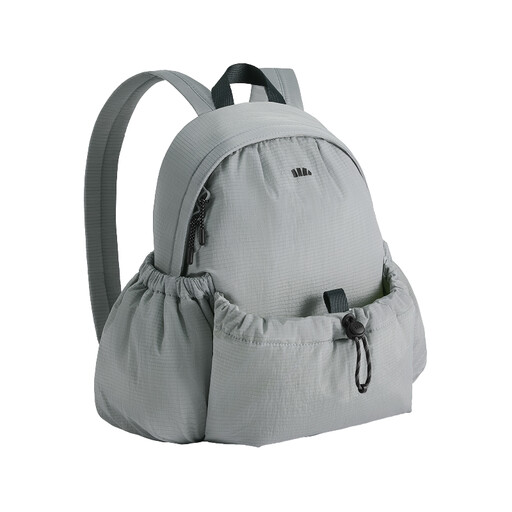
Why this fits the profile: This lightweight unisex backpack is designed for daily use, commuting, short trips and light walks. According to the specifications, the capacity expands from 10 to 13 litres.
The normal and expanded capacities are listed separately. The manufacturer describes the fabric as wind-, rain- and stain-resistant; treat this as protection against light conditions, not as proof of full waterproofing.
8.3 oz own weight, expandable design with 30% extra capacity according to the product description, and dual pressure-relieving shoulder straps.
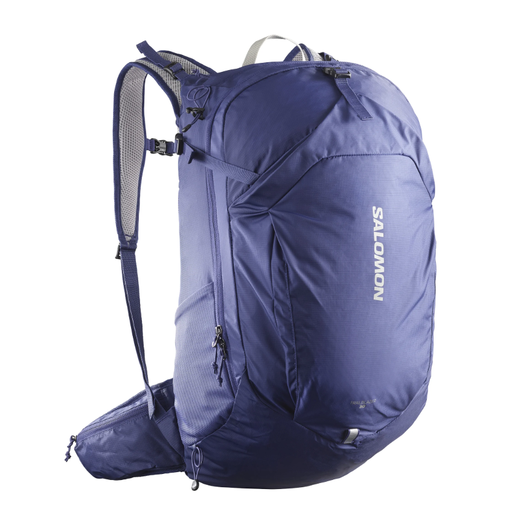
Why this fits the profile: The 30-litre capacity suits day trips, urban adventures and users who carry extra clothing or hiking gear.
The product information mentions not just the capacity, but also an improved shoulder strap and back panel, breathable mesh and multiple compartments. That gives more reassurance than just the term "ergonomic".
30-litre capacity, multiple compartments and breathable mesh on the shoulder straps and back panel according to the provided product specifications.
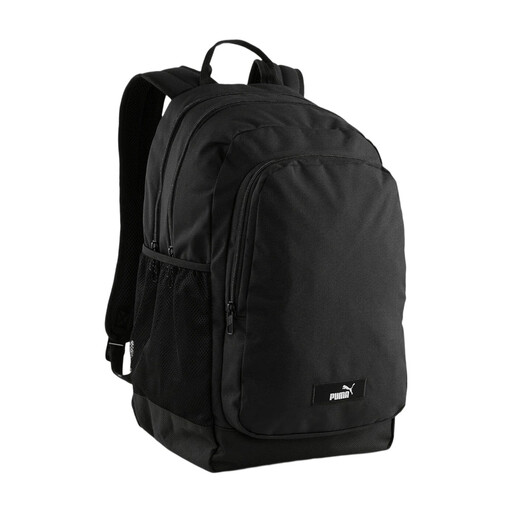
Why this fits the profile: The roughly 24-litre capacity, two main compartments and multiple pockets suit school, work, sport and daily transport of more items.
The storage space is clearly laid out with two compartments, a front pocket, side pockets and a padded internal pocket. Do check whether your laptop size falls within the stated maximum compatibility.
Dimensions of 45 × 30 × 18 cm, roughly 24-litre capacity and at least 70% recycled materials according to PUMA's product information.
We've put together a full, up-to-date list of products that fully meet these strict selection criteria and comply with current European safety regulations.
For a backpack for daily use, a low weight, a well-organised layout and adjustable straps are often more important than maximum capacity. If you cycle to work, you might also look for a chest strap, reflective details and a shape that sits close to your back.
A school backpack needs to carry books, a lunchbox and possibly a laptop without putting the zips under strain. Measure your laptop and compare the dimensions with the compartment; screen sizes alone aren't always enough.
For a travel backpack, expandable capacity, hidden pockets and sturdy zips are practical. For hiking, what matters most is whether the backpack stays stable when you carry water, snacks and an extra layer of clothing. A 30-litre model gives you more leeway for that than a lightweight 10-litre bag.
The lifespan depends on load, material, zip quality and maintenance. Don't store wet clothing in the bag for long periods and don't overload pockets. Clean the surface according to the instructions. For the Beneunder LC183, it's recommended to wipe the bag with a damp cloth, let it dry naturally and avoid machine washing or prolonged heat.
A separate rain cover can be a practical addition if you often cycle or walk in changeable weather. Store the backpack in a dry place and check the seams, buckles and shoulder straps from time to time.
For commuting or school, around 20 to 25 litres is often a good balance between compact and roomy. If you only carry basic items, 10 to 15 litres may be enough. For a laptop, lunch, clothing and sports kit, more capacity is more practical.
No, not automatically. "Water-repellent" or "anti-splash" usually refers to protection against splashes and light rain. Check whether the manufacturer provides information about sealed seams, zips and a waterproof rating. Use extra protection for valuable electronics.
That varies depending on the material, load and frequency of use. A bag that's heavily packed every day will wear out faster than a lightweight backpack used only for short trips. When buying, pay attention to the warranty, the quality of the zips and buckles, and the care instructions.
