
Vandaag of morgen in huis

Kwaliteit gegarandeerd

Welkomstaanbiedingen ontgrendelen: GRATIS bezorging | Tot 80% korting | Gratis 30 dagen JoyPlus-proefperiode
Download de app
A backpack seems easy to choose, until you find yourself dealing with an ill-fitting design, a laptop that isn’t properly protected or a layout that turns out to be impractical. Marketing copy often focuses on eye-catching colours, lots of compartments or a modern USB port. These features aren’t automatically useful for the way you’ll use your backpack.
Three common pitfalls to watch out for:
Check the key specifications in advance to avoid a disappointing purchase and choose the right laptop backpack, school backpack, travel backpack or cabin backpack for your needs.
Don’t just look at the capacity in litres. Check the external dimensions and layout too. For school or work, an A4 compartment and a separate laptop sleeve are often more practical than one large main compartment.
For a backpack for a 15.6-inch laptop, check whether the product listing specifies the laptop size it can accommodate. A 15.6-inch screen measurement doesn’t always tell you the exact dimensions of your laptop’s casing. Measure your laptop and compare those measurements with the laptop compartment.
External dimensions are especially important for travel. A cabin backpack measuring 40 × 30 × 20 cm may be accepted as a personal item by some airlines, but allowances vary by airline and ticket. Check the latest baggage rules before you travel.
An empty backpack weighing 0.5 kg leaves more room for your belongings than a heavier model of a similar capacity. Also look for:
A larger backpack isn’t automatically more practical. If you usually carry only a laptop, lunch and a few books, you may find a compact design more comfortable than an overfilled bag.
Oxford fabric, polyester and canvas each have a different look and texture. Pay particular attention to the product information on materials, zips and care. A water-resistant backpack can help in light rain, but don’t rely on it to provide full protection in a heavy downpour.
A backpack that can only be hand-washed needs more care than one that can be cleaned with a damp cloth. Check the base, seams and shoulder strap attachments too. These areas can wear out relatively quickly with everyday use.
A USB backpack can be handy if you want to charge your phone while you’re out and about. However, the USB port itself doesn’t supply power: most models need you to connect your own power bank inside the bag. Check whether a cable and power bank are included. For the Kono models below, the power bank isn’t included where this is stated in the product information.
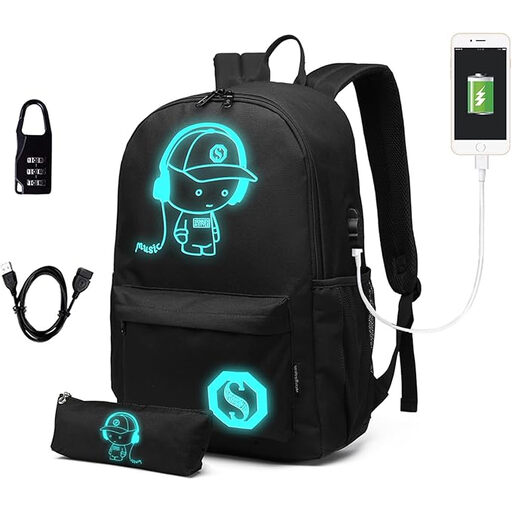
Why it suits this profile: This school backpack combines a distinctive design with space for A4 books and a laptop up to 15.6 inches. It’s a good fit for school and university students looking for one bag for lessons, free time and short trips.
The product description gives specific dimensions of 30 × 17 × 48 cm, a laptop compartment for laptops up to 15.6 inches and several storage pockets. This gives you a clearer idea of the space available than a general claim about large capacity.
Oxford fabric, two side pockets, a USB port and a matching pencil case. According to the product description, the pattern can glow after exposure to light; check the instructions for use.
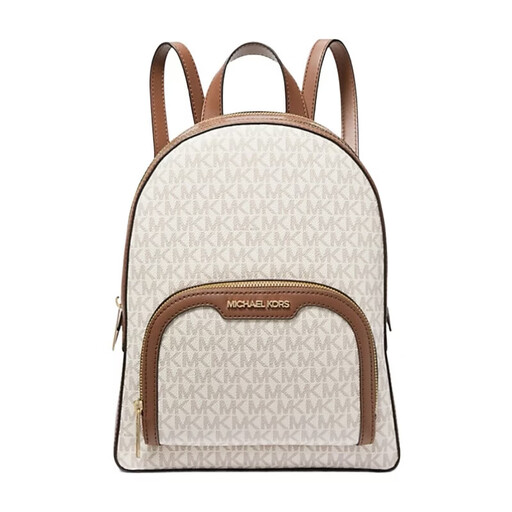
Why it suits this profile: This model is designed for a polished everyday look, whether you’re commuting, shopping or getting around town. Measuring approximately 30.5 × 38 × 17.8 cm, it offers a medium-sized option without an overtly sporty look.
The layout is clearly described, with a tech pocket, a front zip pocket, a rear zip pocket and open internal pockets. This helps you see in advance where you can store smaller items.
Coated canvas with polyester and polyurethane, a tech compartment and a sturdy zip fastening. According to the product information, clean it with a soft, slightly damp cloth.
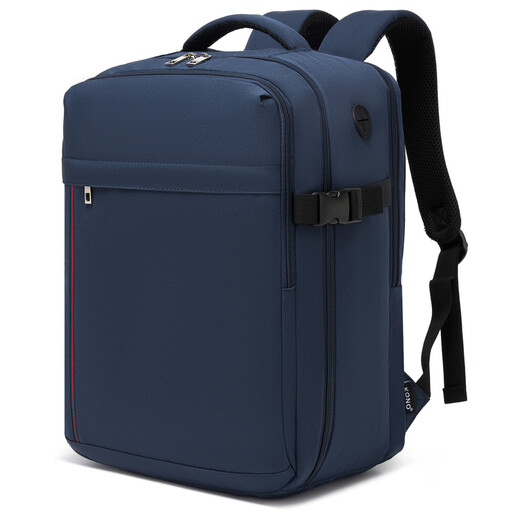
Why it suits this profile: This cabin backpack is designed for commuters, business travellers and holidaymakers who want to organise their luggage compactly. With a capacity of around 24 litres and a clamshell opening, it’s handy for short trips of two to three days.
The exact external dimensions of 40 × 30 × 20 cm and weight of around 0.5 kg are listed. Still, check your airline’s rules, as permitted dimensions can vary by flight and fare.
Water-resistant polyester, a padded laptop compartment for laptops up to 15.6 inches, compression straps and a trolley sleeve. The USB pass-through works with your own power bank.
We’ve put together a complete, up-to-date list of products that meet these strict selection criteria and the current European safety requirements.
For school and work, a capacity of around 18 to 25 litres is often a good choice, depending on your laptop, books, lunch and clothes. As well as the capacity in litres, check the layout and external dimensions.
Usually not. A USB backpack typically has an external port and an internal cable. You’ll need to put a compatible power bank in the designated compartment yourself. Always check the product description.
Its lifespan depends on how heavily you use it, how you care for it, exposure to moisture and the quality of the zips and shoulder straps. Use a laptop compartment that’s suitable for your laptop, don’t overfill the backpack and follow the recommended cleaning instructions. A water-resistant finish can become less effective with use and washing.
