
Vandaag of morgen in huis

Kwaliteit gegarandeerd

Welkomstaanbiedingen ontgrendelen: GRATIS bezorging | Tot 80% korting | Gratis 30 dagen JoyPlus-proefperiode
Download de app
A backpack seems like a simple purchase – until you carry it every day or load it up for a long walk. That’s when you quickly find out whether the shoulder straps fit well, the storage is laid out practically and the fabric can cope with a British downpour. Marketing terms such as “ultralight”, “waterproof” and “large capacity” don’t always tell the whole story, either.
That’s why the Joybuy Product Recommendation Officer compares the most important features using verifiable product specifications. This helps you avoid a disappointing purchase and choose a backpack that suits the way you’ll use it – from commuting and school to walking, trekking and camping.
A 30, 45 or 50-litre backpack can carry a lot, but that doesn’t automatically make it comfortable to wear. If you regularly carry a heavy load, look for a chest strap, a hip belt and adjustable shoulder straps. Without these features, most of the weight rests on your shoulders.
A 30-litre backpack is often practical for a day walk. For a multi-day trip, you may need a 45-litre trekking backpack or larger. Don’t choose based on capacity alone: check the dimensions, the backpack’s own weight and how adjustable it is.
A water-resistant backpack may keep out light rain or splashes, but that doesn’t automatically make it suitable for prolonged rainfall. Check whether a rain cover, sealed seams or a specific waterproof rating is listed. If this information isn’t available, use a separate cover or waterproof storage bag for electronics and clothing.
A single main compartment isn’t ideal for keys, your phone, a water bottle and documents. A backpack with lots of pockets can make it easier to stay organised, but extra zips and compartments also add weight. Think about what you actually carry. For a laptop backpack, a padded laptop compartment is useful; for an outdoor backpack, attachment loops and mesh side pockets are often more practical.
Use capacity as a guide:
Bear in mind that an expandable bag won’t have the same capacity in every configuration. According to the product description, the Beneunder LC183 has a capacity of 10 litres in its standard configuration and 13 litres when expanded.
A lightweight backpack is useful for cycling, travel and walks where you’re carrying only a few things. If you’re carrying a heavier load, a ventilated back panel, padded shoulder straps and a hip belt matter more than a difference of a few hundred grams.
Check the back length and strap adjustment, too. According to the product specifications, the PELLIOT Trail Running Backpack is available in different size ranges for the torso and waist. This matters if you’re looking for a hiking backpack that needs to stay close to your body during vigorous movement.
Nylon, polyester and Oxford fabric are commonly used for backpacks. Their properties depend on the weave, coating and finish. “Hard-wearing” or “tear-resistant” is a manufacturer’s product claim, so treat it as information from the product description rather than a universal guarantee.
Also check:
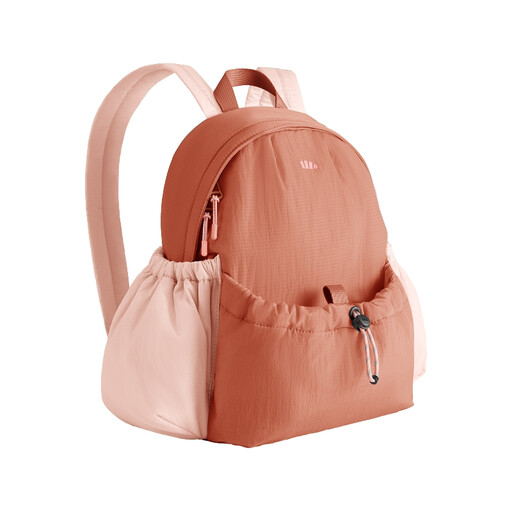
Why it suits this profile: Its compact capacity makes it suitable for everyday use, short trips and commuting. According to the product description, the bag can be expanded from 10 to 13 litres.
The stated capacity and dimensions make it clear that this model is intended for a light load, not heavy trekking. The product description mentions protection from wind, rain and stains, but this isn’t a substitute for a full rain cover.
10/13-litre capacity, expandable design and a stated weight of 8.3 oz. The bag has compartments for documents and personal belongings.
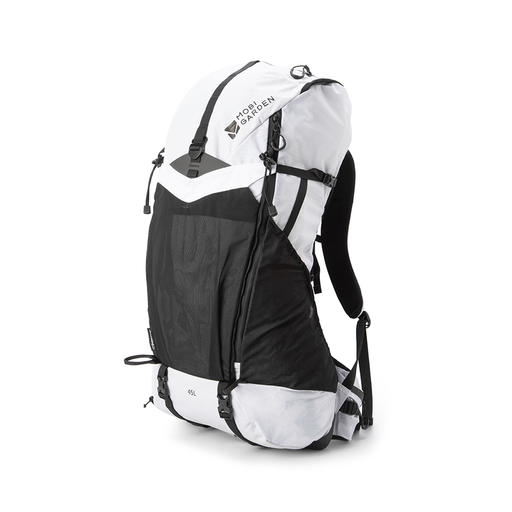
Why it suits this profile: This trekking backpack is designed for backpacking, hiking and multi-day trips. It has a stated capacity of 45 litres and weighs approximately 1.35 kg.
The bag has a chest strap, hip belt and adjustable shoulder straps. This helps you distribute the load more effectively than with a basic daypack.
45-litre capacity, a separate waterproof compartment for a hydration system and a ventilated 3D back panel, according to the product specifications.
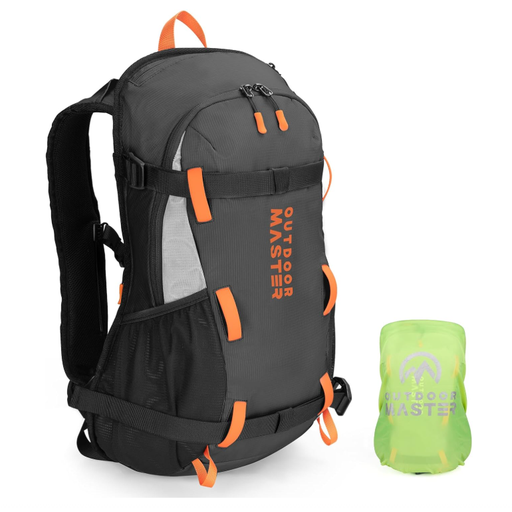
Why it suits this profile: This model is suited to winter sports, short outdoor activities and anyone who wants to carry a hydration system. It has a capacity of 18 litres.
The product description lists a separate rain cover. This offers extra protection, but always check that the cover fits over the bag when it’s full.
Compatible with a 2-litre hydration system, chest strap and hip belt, mesh side pockets and multiple attachment loops. According to the product information, the water bladder is not included.
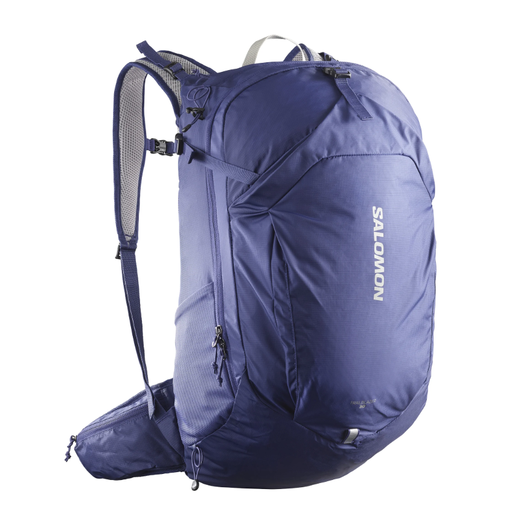
Why it suits this profile: With a 30-litre capacity, this is a versatile choice for day walks, city activities and trips where you need extra clothing or equipment.
The product information mentions an improved shoulder strap and back panel design, as well as multiple pockets. This makes it easier to organise than a large, undivided compartment.
30-litre capacity, nylon and polyester fabric, breathable mesh and multiple compartments. According to the information provided, this product comes with at least two years’ statutory warranty in the EU.
We’ve put together a complete, up-to-date list of products that meet these strict selection criteria and the applicable European safety requirements.
A 20 to 30-litre backpack is often enough for a day walk. If you’re taking a rain jacket, lunch, water, an extra layer and a camera, a 30-litre backpack gives you more room. For a walk with just the essentials, 10 to 18 litres may be enough.
Use a rain cover and keep electronics, documents and spare clothing in waterproof bags. First check whether the backpack is only water-resistant. A coating can wear off over time, so follow the manufacturer’s care instructions and don’t put the bag in the washing machine without checking.
How long it lasts depends on the load, material, moisture, sunlight and care. Overloading it, carrying sharp objects and storing it while wet for long periods can speed up wear. Clean the bag with a damp cloth, let it dry completely and check the seams, zips and buckles regularly. This will help keep your backpack in good condition for everyday use, travel and outdoor activities.
