
Vandaag of morgen in huis

Kwaliteit gegarandeerd

Welkomstaanbiedingen ontgrendelen: GRATIS bezorging | Tot 80% korting | Gratis 30 dagen JoyPlus-proefperiode
Download de app
A backpack seems like a simple purchase, until you’re carrying a laptop, books or clothes every day. A bag may look spacious in the product photo, but have too few compartments in practice. Terms such as “waterproof”, “ergonomic” and “suitable as hand luggage” aren’t always used consistently either.
So keep an eye out for these common pitfalls:
For school or work, height, width and depth matter more than the litre capacity alone. A school backpack of around 20 to 25 litres will often have room for books, lunch and accessories. For a short trip, a travel backpack of around 24 litres may be more convenient if it opens fully, like a small suitcase.
For hand luggage, don’t just measure the bag when it’s empty. Packing it mustn’t make it exceed the permitted dimensions. The Kono model is listed with external dimensions of 40 × 30 × 20 cm, a weight of around 0.5 kg and a capacity of approximately 24 litres. The product description says these dimensions meet the commonly used personal-item requirements for Ryanair. Always check the airline’s current rules yourself before booking.
Ideally, a laptop compartment should be padded and keep your device from resting directly on the bottom of the bag. Check that the compartment is suitable for your laptop size too. A laptop backpack for your daily commute will also benefit from:
A backpack with a USB port can be handy on the go, but the port won’t charge your device by itself. These models usually need a power bank. Check whether one is included; the Kono school model explicitly states that the power bank isn’t included.
Polyester, Oxford fabric and canvas all have different properties. Polyester and Oxford fabric are often used for lightweight, everyday bags. Canvas can give a bag a more casual look, but may need more care. Pay attention to the exact wording:
If you’re cycling in the rain for a long time, always use an extra protective case for your electronics. Claims about durability or protection are made by the brand or seller, so check the specific material details and care instructions.
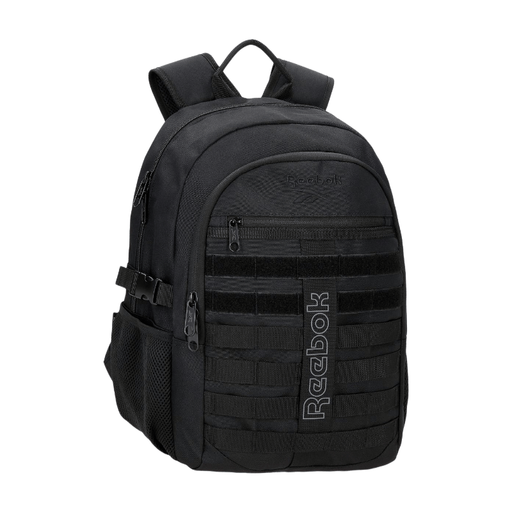
Why it suits this profile: A well-organised everyday backpack for school, work, sport or short outings, without a focus on specialist travel features.
The product description mentions a roomy main compartment and extra pockets, so you don’t have to rely on one large compartment alone.
Adjustable shoulder straps, several storage pockets and a sporty design for everyday use.
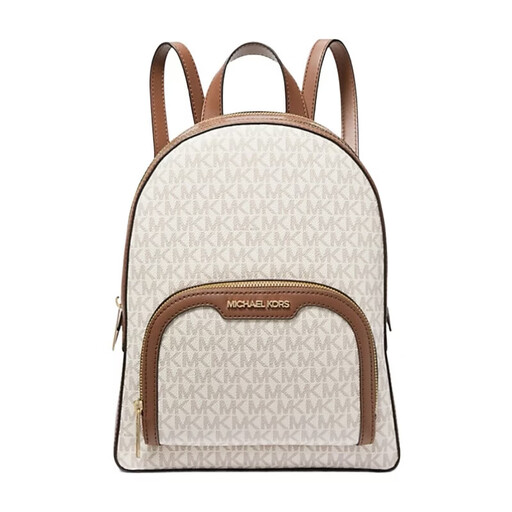
Why it suits this profile: A smart backpack for commuters who value a polished look and separate compartments for their daily journey to and from work.
The listed layout includes an internal tech pocket, a zipped back pocket and a front pocket for smaller items.
Approximate dimensions of 30,5 × 38 × 17,8 cm, a tech compartment and an outer made from coated canvas and polyester.
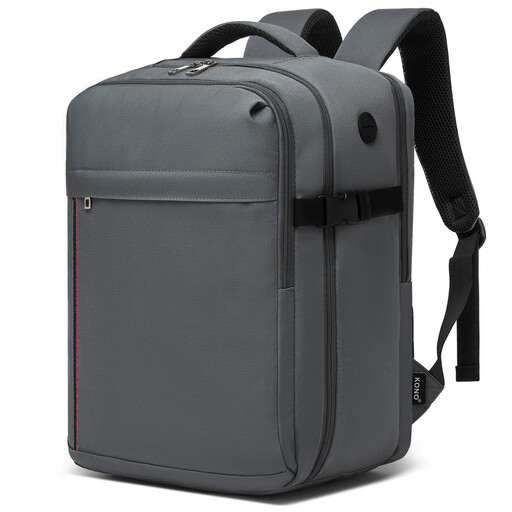
Why it suits this profile: Designed for short trips, commuters and business travellers who want to combine hand luggage, laptop storage and organisation.
The listed dimensions, weight and capacity are specific. The manufacturer describes the bag as water-repellent, not fully waterproof.
Three compartments, a padded compartment for a 15,6-inch laptop, compression straps and a luggage strap.
We’ve put together a complete, up-to-date list of products that meet these strict selection criteria and the current European safety regulations.
For school, work and commuting, around 18 to 25 litres is often practical. Choose a larger bag if you need to carry sportswear, lunch and books at the same time. As well as capacity, consider the shape of the main compartment and where your laptop goes.
It can be handy when travelling or during long working days. The USB port usually connects to a power bank inside the bag. Check whether the internal cable is included, and bear in mind that you’ll usually need to buy the power bank separately.
Its lifespan depends on how heavily it’s used, how often the zips are opened, exposure to moisture and how well it’s maintained. A bag packed heavily every day will wear out faster than one used lightly. Avoid overloading it, clean it according to the instructions and regularly check the seams, base and shoulder straps. This helps you spot when it may need replacing and avoid problems caused by a damaged bag while you’re out and about.
