
Vandaag of morgen in huis

Kwaliteit gegarandeerd

Welkomstaanbiedingen ontgrendelen: GRATIS bezorging | Tot 80% korting | Gratis 30 dagen JoyPlus-proefperiode
Download de app
A backpack may seem simple to buy, but small differences in finish, size and layout can determine how comfortable it is to use every day. A model that looks spacious in a product photo may not actually have enough room for a laptop, lunchbox or sportswear. A water-repellent exterior also does not automatically mean that the contents will stay protected during a heavy shower.
That is why it is wise not to focus solely on colour or brand. Pay particular attention to the dimensions, capacity, materials, comfort and compartment layout. This will help you find a ladies’ backpack, men’s backpack, laptop backpack, school backpack or travel backpack that suits the way you intend to use it.
The external dimensions provide an initial impression, but not every centimetre is usable. A backpack with thick padding, multiple compartments or a rounded shape may hold less than expected. So check the stated capacity in litres and make sure the dimensions are suitable for your belongings.
For daily commuting, a capacity of around 20 to 25 litres is often practical. For a weekend trip, sportswear or an extra pair of shoes, a spacious backpack of 25 litres or more may be more suitable. If you are buying a laptop backpack, also check the internal dimensions of the laptop compartment; a claim such as “suitable for 15.6 inches” must match the actual dimensions of your device.
Coated polyester, coated canvas and synthetic materials can resist splashes better than untreated fabric. However, that does not automatically make a backpack suitable for prolonged rain. Zips, seams and open side pockets can still allow water to get in.
If you cycle in the Netherlands, consider carrying a rain cover or using a waterproof laptop sleeve inside the backpack. Extra care is needed with leather models, such as a leather backpack: prolonged exposure to moisture, heat and direct sunlight can affect the material and its finish.
A Michael Kors backpack may complement a smart office outfit, while a Puma backpack or Reebok backpack may be a more natural choice for sport, school or everyday use. However, the brand does not tell you everything about comfort or capacity. Look at the shoulder straps, back panel, fastening and position of the smaller pockets.
A stylish backpack without a well-designed layout can be awkward to use on the train or bicycle. Conversely, a sporty backpack may be less suitable if you work in a formal environment.
At a minimum, check:
A larger model offers more space, but it also becomes heavy more quickly. A well-fitting backpack stays close to your back and does not hang far below your hips. For older children, an adjustable model is important, as the fit needs to accommodate their growth.
Many sporty backpacks are made from polyester. This material is relatively lightweight and, according to the product description of some models, easy to clean with a damp cloth. A coating can provide extra protection against splashes, but always check the care instructions.
A leather backpack will generally benefit from being wiped regularly with a soft, dry cloth. Store leather in a cool, dry place and avoid prolonged contact with rain or direct heat. The same applies to coated canvas: do not use harsh cleaning products if the product information advises against them.
A practical layout may include:
For sport and travel, double zips and a base compartment are useful. For work or study, protection around the laptop is more important than a large open main compartment. Also check whether the zips can be opened easily with one hand when you are on the move.
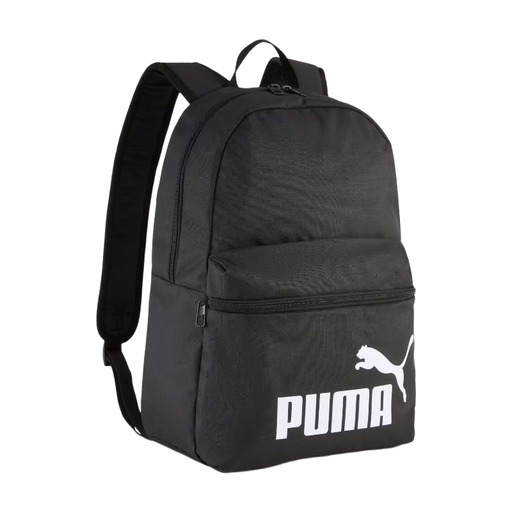
Why it suits this profile: This unisex model is suitable for school, everyday use and short trips. Its 22-litre capacity provides room for essentials without being unnecessarily large.
The stated dimensions of 30 × 43 × 14 cm and the 22-litre capacity make it easy to check the size in advance. A front pocket and side pocket help keep loose items out of the main compartment.
Lightweight 300-gram design, adjustable shoulder straps, padded back panel and a mesh side pocket for a bottle.
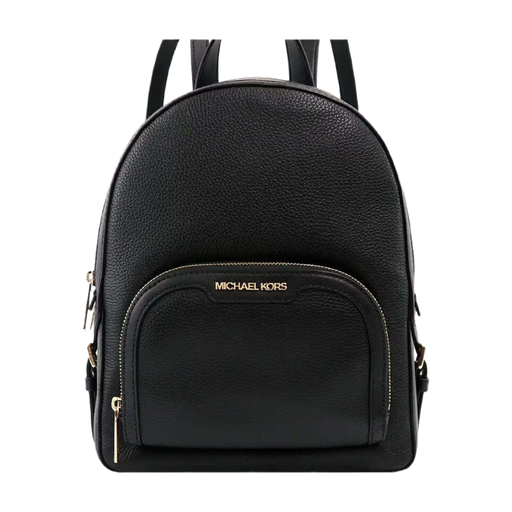
Why it suits this profile: The black version, made from 100% structured leather, works well for the office, city use and a polished ladies’ or men’s outfit.
The dimensions are clearly stated: 22,22 × 30,48 × 10,79 cm. The product information advises avoiding moisture and direct heat, so this is not a backpack for prolonged rain.
Two-compartment layout, adjustable shoulder straps, a handle and internal pockets with zips or slip openings.
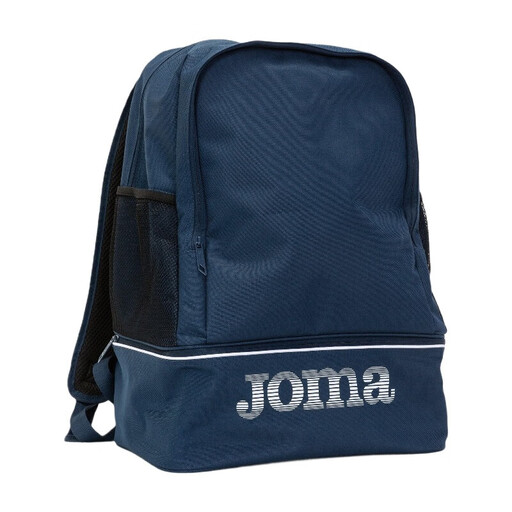
Why it suits this profile: With a capacity of 24,2 litres and a double base, this model is designed for the gym, training, daily shopping and short trips.
The capacity and dimensions of 48 × 35 × 24 cm are specified. The broad shape and base construction are suitable for sports equipment, but make it less compact on a busy train.
100% polyester, padded shoulder straps, a front pocket and an internal pocket. According to the product description, the material is lightweight and easy to clean with a damp cloth.
We have put together a complete, up-to-date list of products that fully meet these strict selection criteria and the applicable European safety regulations.
For work, school or commuting, around 20 to 25 litres is often a useful starting point. If you also carry sportswear, shopping or items for an overnight stay, it is better to look for a spacious backpack of 25 litres or more. Always check the external dimensions and laptop compartment alongside the stated capacity.
A water-repellent backpack usually provides protection against light rain and splashes, depending on the material and construction. For prolonged rain, a rain cover and an additional protective sleeve for your laptop or documents are sensible additions. Also check whether the zips and seams are watertight; this should not be taken for granted.
Follow the manufacturer’s care instructions. Polyester and coated canvas can often be cleaned with a soft, damp cloth. Do not use harsh cleaners on leather, and store the bag somewhere dry, away from direct sunlight, with light padding inside to help it retain its shape. Do not overfill the backpack, as this puts extra strain on the zips, seams and shoulder straps.
