
Vandaag of morgen in huis

Kwaliteit gegarandeerd

Welkomstaanbiedingen ontgrendelen: GRATIS bezorging | Tot 80% korting | Gratis 30 dagen JoyPlus-proefperiode
Download de app
A backpack may seem easy to choose, until you’re carrying a laptop, books, sports kit or shopping every day. A bag may look sturdy, but in practice it might not have enough compartments, may not fit your laptop or could be awkward to open. Terms such as “water-repellent” and “ergonomic” don’t always tell you enough without specific product details.
So look out for these three common pitfalls:
Start by checking the external dimensions and capacity in litres. A roomy backpack of around 22 to 24 litres will generally have more space for schoolbooks, clothes and everyday essentials than a compact daypack. However, a larger model can also become fuller and heavier.
A backpack with multiple compartments helps keep your belongings separate. Look for:
For a school backpack, A4 compatibility, sturdy zips and a well-organised layout are important. If you mainly carry smaller items, a compact lightweight backpack may be all you need.
A 15.6-inch laptop backpack needs to be more than just large on the outside. Check that the laptop compartment is explicitly stated to fit laptops up to 15.6 inches, and compare its dimensions with those of your own device where possible. A laptop with a wide casing or a thick protective cover may need more room.
A padded laptop compartment is useful, but it doesn’t guarantee that your laptop will be undamaged if the bag is dropped. For extra protection, consider using a separate sleeve. Also think about where the compartment is positioned: a laptop held close to your back can make the bag feel more stable than one in a separate compartment at the front.
Adjustable shoulder straps and a padded back panel are useful features for everyday use. Also check that the straps are wide enough and that the backpack doesn’t rub against your neck when you’re wearing a coat.
Polyester, synthetic materials, canvas and Oxford fabric each have a different look and texture. When considering a water-repellent backpack, read the claim as it appears on the product page. “Water-repellent” doesn’t automatically mean the bag will keep out heavy rain for a long time. A flap, covered zip or rain cover can be a useful extra in British weather.
The selection below is based on the stated capacity, dimensions, laptop compatibility, compartment layout and material. This makes it easier to compare a women’s or men’s backpack or a unisex backpack based on how you’ll use it, rather than just its appearance.
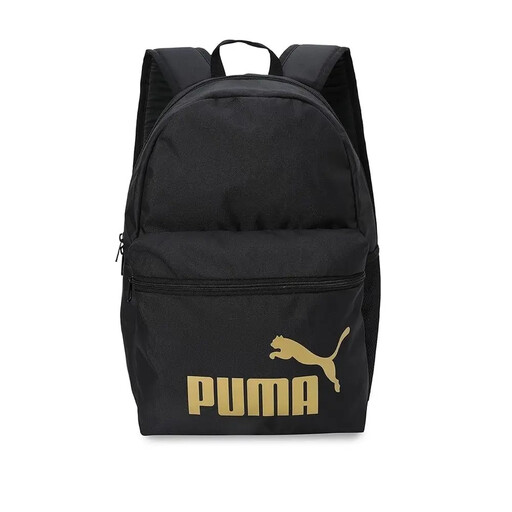
Why it suits this profile: This unisex backpack has a capacity of 22 litres and, according to the product details, is designed for everyday use, school, work or sport. That makes it a good choice as a first all-round backpack.
The stated dimensions of 44 x 30 x 14 cm and the main compartment with a two-way zip give you a clearer idea of its capacity than a general description such as “roomy”.
22-litre capacity, zipped front pocket, mesh side pocket, padded back panel and adjustable shoulder straps. According to the product details, at least 90% of the materials are recycled.
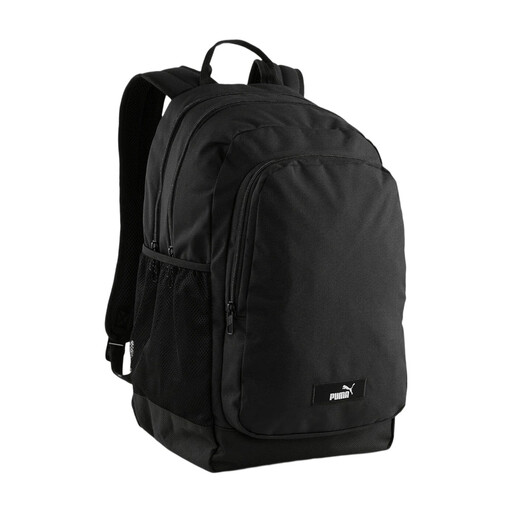
Why it suits this profile: With a capacity of around 24 litres, two main compartments and several pockets, this backpack is a good fit for people who want to carry school, work and everyday essentials in one bag.
The layout means you don’t have to rely on a single large main compartment: there are two main compartments, a front pocket and two side pockets.
Dimensions of 45 x 30 x 18 cm, capacity of around 24 litres, padded straps and back panel. The product details state that it is compatible with devices up to 18.7 inches.
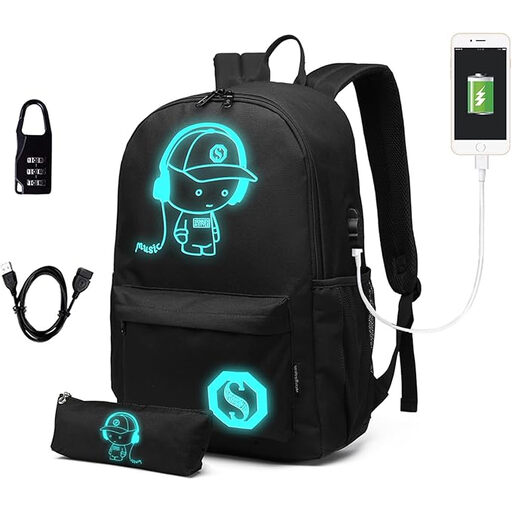
Why it suits this profile: This model is aimed at school and university students looking for a distinctive style, a 15.6-inch laptop compartment and extra features for when they’re out and about.
The laptop size is clearly stated: up to 15.6 inches. The dimensions, weight of 0,47 kg and hand-wash instructions are also provided.
Room for a laptop up to 15.6 inches, A4 books and notebooks, plus several compartments, two side pockets and an internal cable with an external USB connection. A power bank is not included.
We’ve put together a complete, up-to-date list of products that meet these strict selection criteria and current European safety regulations.
Choose a model whose product details explicitly state that the laptop compartment fits laptops up to 15.6 inches. Also check your laptop’s dimensions, especially if you use a sturdy case. A large main compartment on its own is no substitute for a properly sized laptop compartment.
Its lifespan depends on how heavily it’s loaded, how often the zips are used, exposure to moisture and how well it’s maintained. A bag that’s filled with heavy items every day will wear out faster than one used for lighter loads. Spread the weight across several compartments, don’t overfill the zips and follow the care instructions. If a backpack can only be cleaned with a damp cloth, don’t put it in the washing machine without checking first.
Not always. Water-repellent material can help keep out light rain, but the level of protection also depends on the zips, seams and fastening. If you cycle every day in changeable weather, it’s worth considering a rain cover or waterproof laptop sleeve, unless the manufacturer clearly states that the bag offers a higher level of protection.
