
Vandaag of morgen in huis

Kwaliteit gegarandeerd

Welkomstaanbiedingen ontgrendelen: GRATIS bezorging | Tot 80% korting | Gratis 30 dagen JoyPlus-proefperiode
Download de app
A backpack may seem simple to choose, until you use it every day. That is when you discover whether the shoulder straps stay in place, whether your laptop is protected and whether there is enough room for a bottle, lunch and charger. A low price or striking design says little about practical use.
For adults, students, school pupils, commuters, athletes and travellers, three pitfalls are particularly important:
A good choice therefore starts not with the colour or brand, but with the capacity, dimensions, carrying design and material.
Do not just look at the number of litres, but also at the shape. A spacious backpack may have sufficient volume, for example, but be too narrow for a laptop or A4 documents.
As a guideline:
Always check the exact dimensions. According to the product specifications, the Joma Training III has a capacity of 24.2 litres and measures 48 × 35 × 24 cm. That makes it clearly more spacious than a compact casual backpack.
Polyester and nylon are often used because they are relatively lightweight and easy to clean. However, the properties vary from one model to another. Look out for terms such as water-repellent, anti-splash or water-resistant. These usually describe protection against splashes and light rain, not guaranteed waterproofing.
According to Beneunder’s product description, the LC183 is made from nylon that helps keep out wind, rain and stains. The product information recommends cleaning the bag with a damp cloth, not putting it in the washing machine and allowing it to dry naturally. In heavy rain, consider using a separate rain cover, especially when carrying a laptop or documents.
Adjustable shoulder straps are important for fitting the backpack correctly. Padded straps can feel more comfortable with a heavier load, but they cannot replace good weight distribution.
Also look out for:
A backpack with multiple compartments is not always more convenient. Too many small compartments can actually reduce the available space. Choose the layout based on what you carry every day.
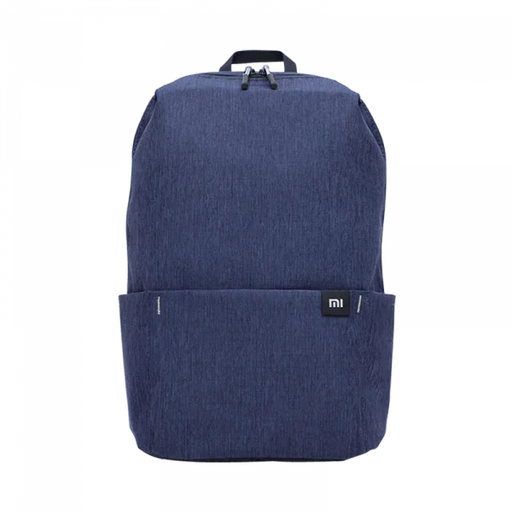
Why it suits this profile: Weighing 194 grams and with a capacity of 12 litres, this is a compact option for light everyday items, a tablet, books and accessories.
The capacity and weight are clearly stated, so you will not mistake a compact bag for a spacious school backpack.
194 grams, 12-litre capacity, concealed front pocket, side pockets and adjustable ergonomic straps according to the product description.
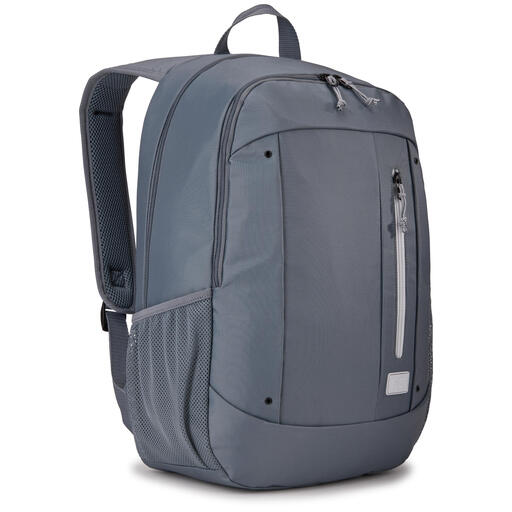
Why it suits this profile: This laptop backpack is designed for work, study and commuting, with room for laptops of up to 15.6 inches.
The laptop dimensions and three compartments are specified. However, check that your device fits within 385 × 31 × 265 mm.
23-litre capacity, product weight of 530 grams, three compartments and 100% recycled polyester according to the product specifications.
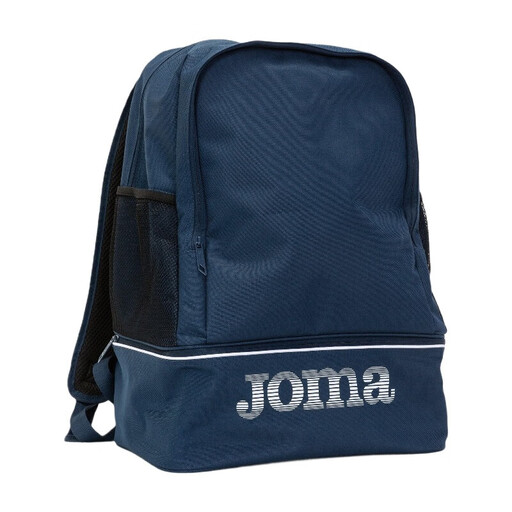
Why it suits this profile: With a capacity of 24.2 litres and a double base, this model is suitable for training, sportswear, shoes and short trips.
The capacity, dimensions and double base are clearly described. This makes it easier to judge whether the bag suits your sports equipment.
100% polyester, front pocket, inner compartment, multiple storage options and padded shoulder straps according to the product information.
We have put together a complete, up-to-date list of products that fully meet these strict selection criteria and the applicable European safety regulations.
For a laptop, lunch, charger and a few documents, 20 to 25 litres is usually practical. If you carry less, a lightweight backpack of 10 to 13 litres may be sufficient. For lots of books or sportswear, a larger capacity is more convenient. Always compare the litre capacity with the external dimensions and laptop size.
A water-repellent backpack can provide protection against splashes and light rain. However, this does not automatically mean that the seams and zips will keep out water for an extended period. In heavy rain, use a rain cover or carry electronics in an additional protective case.
Its lifespan depends on the material, zips, seams, load and maintenance. Overfilled compartments put extra strain on the seams and zips. Clean the bag according to the instructions and allow it to air-dry. For some models, the minimum statutory guarantee of two years in the EU applies; check the terms for the individual product.
